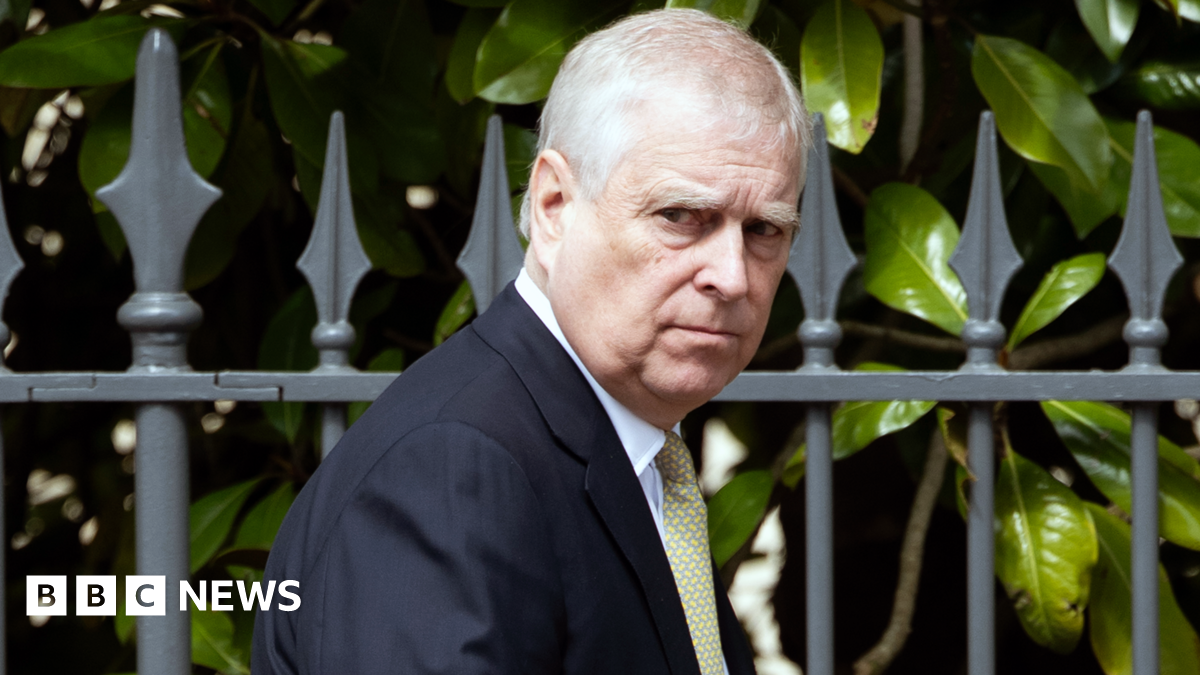
The City of London Corporation is drafting legislation to revoke Andrew Mountbatten‑Windsor's Freedom of the City. If passed, the 2012 honour could be formally stripped, marking a historic first for the city.
Key Takeaways
- London City Corporation is preparing a legal draft to remove Andrew's Freedom.
- The bill will be presented to the Policy & Resources Committee in September and to the Court in October.
- Approval would set a precedent for the city to revoke the Freedom itself.
Bill Overview
Legal officials at the City of London Corporation have drafted a bill to strip Andrew Mountbatten‑Windsor of his Freedom of the City of London. The move follows public pressure and the recognition that no effective lawful mechanism currently exists to do so.
Historical Background
The Freedom of the City of London dates back to the 13th century, traditionally awarded to royalty and distinguished individuals. Andrew received the honour in 2012 "by virtue of patrimony" because his father, Prince Philip, was a Freeman.
Why This Matters
BozokMedia analysis shows that this step not only affects Andrew personally but also reshapes the City’s constitutional autonomy and its ability to manage honours internally.
"Such a legislative shift signals a fundamental change in how the City exercises its historic privileges," says constitutional scholar Dr. Anjali Singh.
Frequently Asked Questions
Q1: Will the removal affect Andrew's other royal privileges?
A: No, the bill targets only the Freedom of the City; other royal privileges remain untouched.
Q2: Who ultimately decides the revocation?
A: If the Common Council passes the Act, the City Corporation itself will hold the authority to revoke the Freedom.