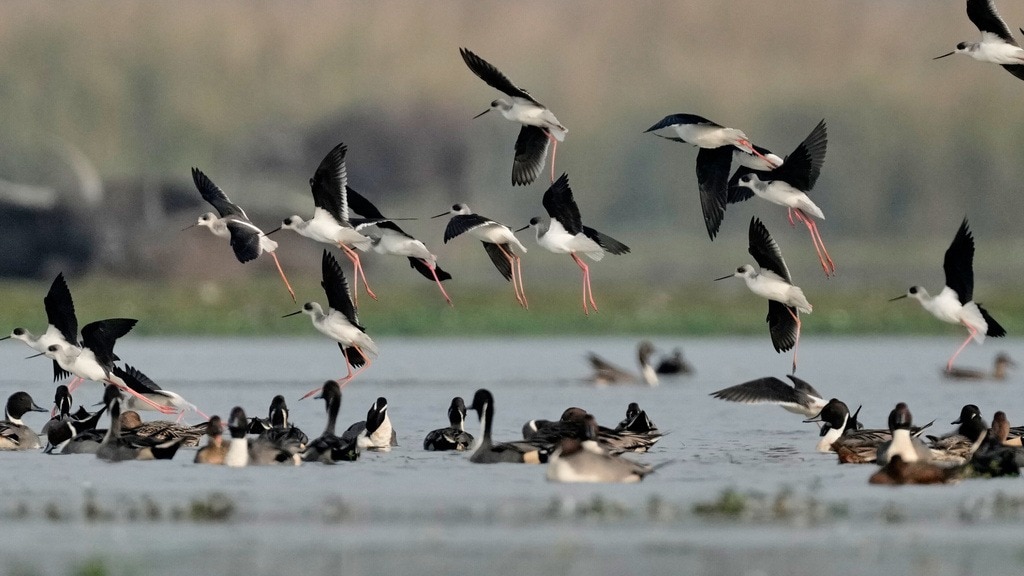
A recent study reveals that over 50% of migratory bird species are experiencing population declines. This trend threatens ecosystem stability and human wellbeing alike.
Key Takeaways
- Sharp decline in migratory bird populations worldwide.
- Habitat loss, climate change, and hunting are primary drivers.
- Negative impacts on ecosystems, pollination, and food security.
Key Findings from the Environmental Study
According to data compiled by BirdLife International, 55% of migratory bird species have shown consistent declines, with an average drop of 12% over the past two decades. Several species are now classified as threatened.
Historical Background
In the last two centuries, global migratory bird numbers have fallen by roughly 30%. Industrial expansion, urban sprawl, and climate shifts have disrupted traditional flyways and breeding grounds.
Why This Matters
BozokMedia analysis shows that the decline of migratory birds signals broader ecological distress, affecting pollination, pest control, and cultural heritage tied to bird migrations.
Dr. Emily Hart, Ornithologist: "Losing migratory birds erodes natural pest regulation and threatens agricultural productivity worldwide."
Frequently Asked Questions
What are the main causes of migratory bird declines?
Primary drivers include habitat destruction, climate change, pesticide use, and unsustainable hunting practices.
Can this trend be reversed?
Yes, with coordinated conservation policies, international cooperation, and sustainable land‑use practices, populations can recover, but swift action is essential.