The Lok Sabha will introduce the Public Examinations (Prevention of Unfair Means) Amendment Bill, 2026, aiming to impose strict penalties for paper leaks. The legislation includes up to 10 years imprisonment, a ₹10 crore fine, and fast‑track courts.
Key Takeaways
- The government bill imposes harsh penalties for paper leaks.
- Opposition questions the bill’s effectiveness without tackling corruption.
- The aim is to protect students and ensure exam transparency.
Bill Introduction
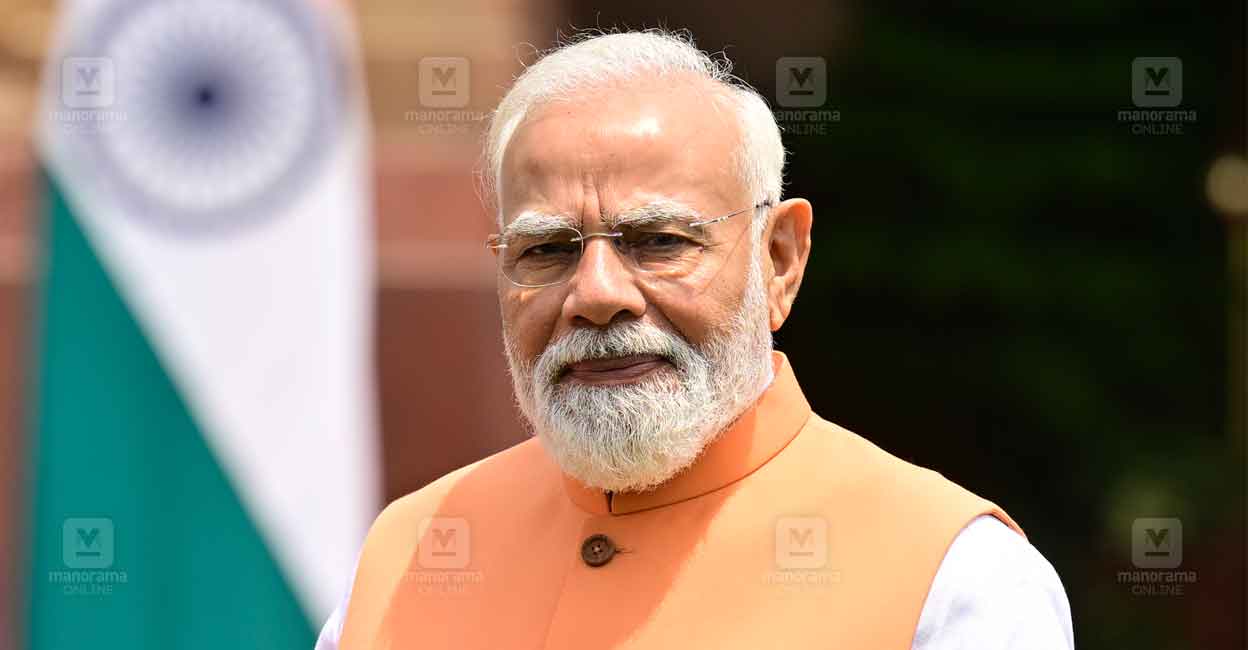
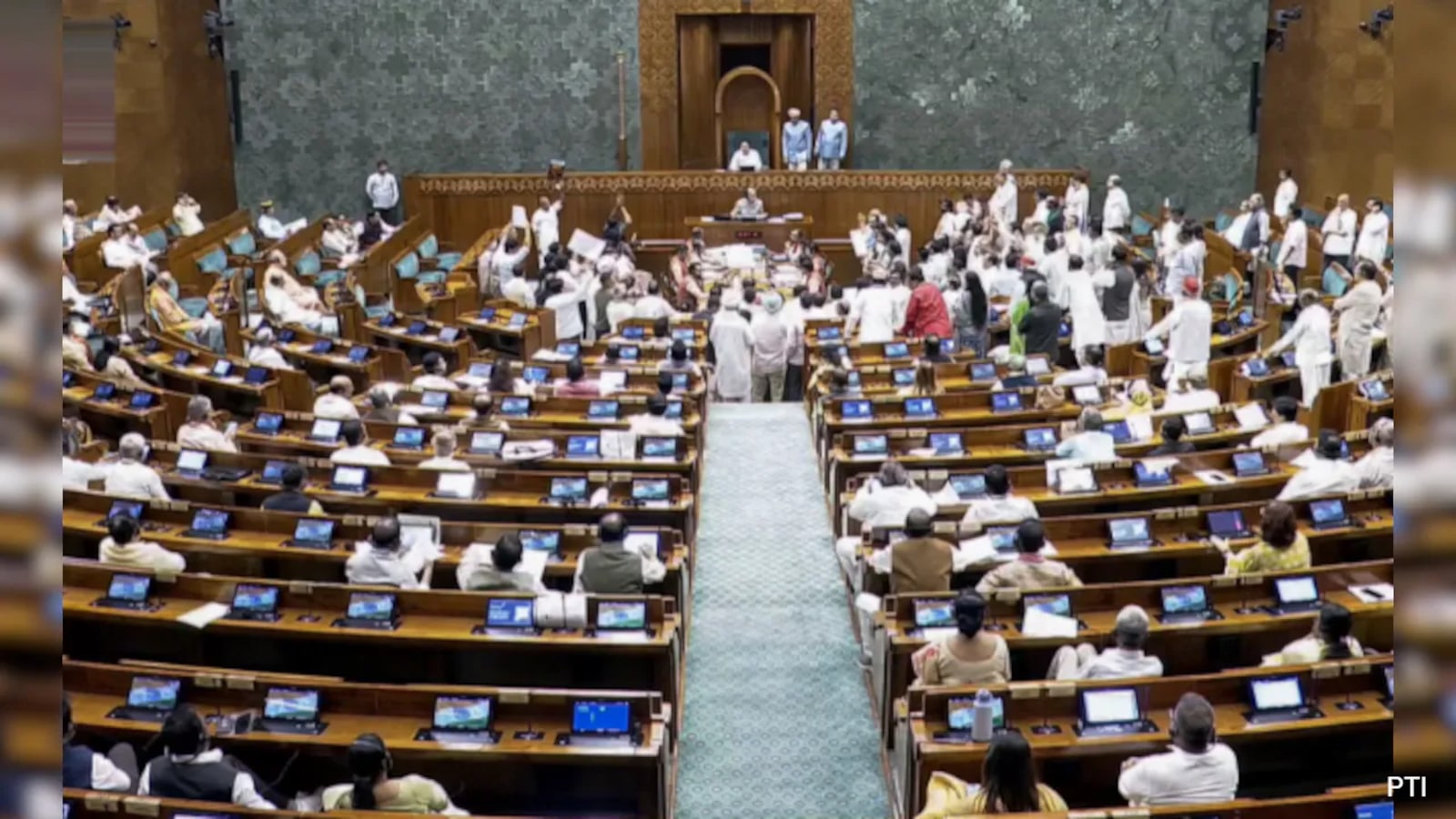
Today, Dr. Jitendra Singh will move the Public Examinations (Prevention of Unfair Means) Amendment Bill, 2026 in the Lok Sabha. It seeks to amend the 2024 Act by introducing tougher punishments for paper‑leak offenses and establishing fast‑track courts.
Key Provisions
The bill proposes up to ten years of imprisonment, a fine of up to ₹10 crore, confiscation of assets, and a mandatory three‑month timeline for verdicts. It also mandates the creation of special courts to expedite cases related to examination fraud.
Why This Matters
BozokMedia analysis shows that strengthening legal deterrents against paper leaks could restore public confidence in India’s competitive exams, a sector that fuels millions of career aspirations annually.
"Strict legal measures are essential, but their impact hinges on transparent enforcement by the agencies involved."
Opposition Response
Congress MP Gaurav Gogoi argued that without tackling entrenched corruption, any amendment will be ineffective. He accused the government of prioritising ideology over genuine educational reform.
Frequently Asked Questions
Q1: Will the bill apply to all public examinations?
A: Yes, it covers all national‑level exams, including NEET, UPSC, and others.
Q2: When will fast‑track courts be operational?
A: The government has indicated they will be set up in the next financial year.