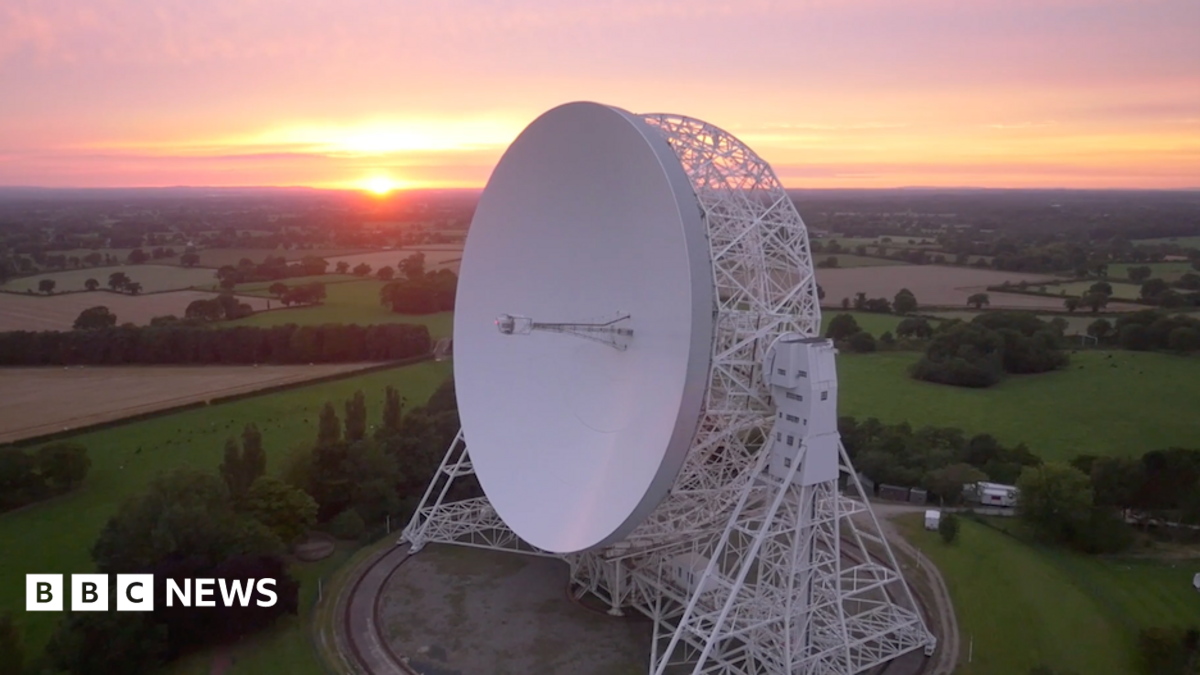
The Jodrell Bank Observatory, home to the UK's largest telescope for nearly 70 years, is slated for funding cuts that could shut it down by April 2028. Scientists call the move "heartbreaking" and "scientifically misguided".
Key Takeaways
- All scientific observations at Jodrell Bank are set to cease on 1 April 2028 unless new funding is secured.
- UKRI has slashed the observatory's annual budget by £2.8 million.
- The closure threatens 28 direct jobs and impacts over 3,000 researchers worldwide.
Historical Background
Established in 1945, Jodrell Bank Observatory pioneered radio astronomy and the study of galaxies beyond our own. During the Cold War it monitored Soviet missile launches, cementing its strategic importance. In 2019 it earned UNESCO World Heritage status for its scientific legacy.
Current Situation
The UK Research and Innovation (UKRI) agency, facing rising physics research costs, has cut the observatory’s £2.8 million annual budget, prioritising projects with higher industrial potential. Without alternative financing, all observations will stop on 1 April 2028.
Why This Matters
BozokMedia analysis shows that the loss of Jodrell Bank would cripple the UK’s radio‑astronomy capability, jeopardising training pipelines for future astronomers and weakening international collaborations that have positioned the UK as a leader in deep‑space research.
"The decision is scientifically, technologically and economically short‑sighted," said Prof. Michael Kramer, Max Planck Institute for Radio Astronomy.
Technical Significance
The Lovell Telescope, the world’s third‑largest steerable radio dish, remains at the forefront thanks to continuous upgrades and its integration into the e‑MERLIN network. Together, these UK telescopes achieve Hubble‑like resolution, probing planet formation, galaxy evolution, supermassive black holes, and the dark sector.
Frequently Asked Questions
Q1: What happens if no alternative funding is found?
A: All scientific operations cease on 1 April 2028, rendering the site largely dormant.
Q2: How will this affect UK’s position in global astronomy?
A: The UK risks falling behind in radio astronomy, losing training opportunities and diminishing its influence in major international projects.