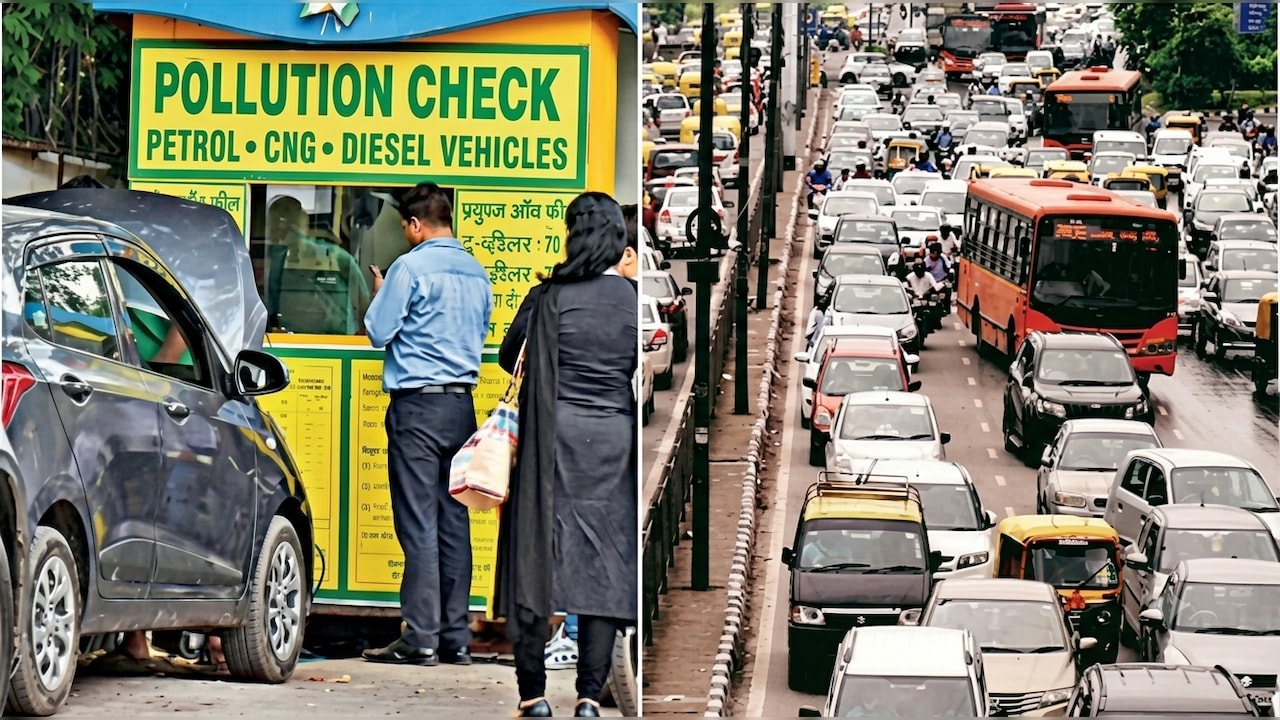
The Central Government has proposed extending the validity of Pollution Under Control Certificates (PUCC) for BS-VI private vehicles up to six years old to once every three years.
Key Takeaways
- BS-VI private vehicles up to 6 years old may get 3-year PUCC validity.
- Vehicles aged 6-10 years will require more frequent emission checks.
- Older vehicles will face stricter monitoring protocols.
In a move aimed at easing the compliance burden on citizens, the Central Government has proposed a significant change to the Pollution Under Control Certificate (PUCC) regulations. Under this proposal, private vehicles adhering to BS-VI standards that are up to six years old will only need to undergo a fresh emission test once every three years.
Who Benefits and Who Faces Stricter Rules?
The proposed policy creates a tiered system based on vehicle age and emission technology. While owners of newer, cleaner BS-VI vehicles will enjoy extended validity, the government intends to maintain strict oversight on older models. Vehicles between 6 and 10 years old will be required to undergo more frequent emission checks to prevent environmental degradation.
Why This Matters
BozokMedia analysis shows that this shift is designed to streamline administrative processes and reduce the congestion at pollution testing centers. By rewarding cleaner technology with longer validity, the government is indirectly incentivizing the adoption of advanced, low-emission vehicles. However, the challenge remains in ensuring that the frequency of testing for older vehicles is strictly enforced.
Extending validity for BS-VI vehicles is a pragmatic step toward ease of living, provided the enforcement for older, high-emission vehicles remains uncompromising.
Historical Background: India transitioned from BS-IV to BS-VI emission standards to combat rising urban air pollution. This transition marked one of the most significant regulatory shifts in the automotive sector, aimed at drastically reducing particulate matter and nitrogen oxides.
Frequently Asked Questions
1. Does this apply to all vehicle types?
No, the proposed 3-year validity is specifically aimed at BS-VI private vehicles up to six years old.
2. What happens to vehicles older than 10 years?
Older vehicles will be subject to much closer monitoring and more frequent mandatory testing.
| Vehicle Category | Proposed Validity/Frequency |
|---|---|
| BS-VI (Up to 6 years old) | Once every 3 years |
| 6-10 Years Old | Frequent intervals |
| Older Vehicles | Strict/Close Monitoring |