While youth-led movements have toppled governments in Sri Lanka, Bangladesh, and India, Pakistan's Gen Z remains conspicuously absent. We analyze the structural reasons behind this political silence.
Key Takeaways
- South Asian neighbors like Bangladesh and Sri Lanka have seen massive student-led regime changes.
- Pakistan suffers from high unemployment and economic instability, yet lacks a unified youth movement.
- Decades of bans on student unions have crippled organized political mobilization on campuses.
The political landscape of South Asia is undergoing a seismic shift driven by the energy of its youngest citizens. From the streets of Colombo to the massive demonstrations in Bangladesh and the recent student-led movements in India, Gen Z is reshaping the region's power structures. However, Pakistan remains a glaring exception to this trend of youth-led upheaval.
The Paradox of Unrest without Uprising
On paper, Pakistan is a powder keg. The nation is grappling with a crushing economic crisis, heavy reliance on IMF bailouts, and soaring youth unemployment. Despite these pressures—and the military's significant role in governance—the massive, coordinated street protests seen in neighboring countries have failed to materialize in Pakistan. Foreign policy expert Michael Kugelman notes that the drivers of revolution—corruption, repression, and joblessness—are all present in Pakistan, yet the collective spark is missing.
Why This Matters
BozokMedia analysis shows that the absence of a youth movement in Pakistan is not due to political apathy, but rather a lack of institutionalized channels for dissent. Without organized platforms, individual grievances remain fragmented and unable to challenge the state effectively.
The legacy of state-imposed bans on student unions has effectively decapitated the leadership pipeline for future political movements in Pakistan.
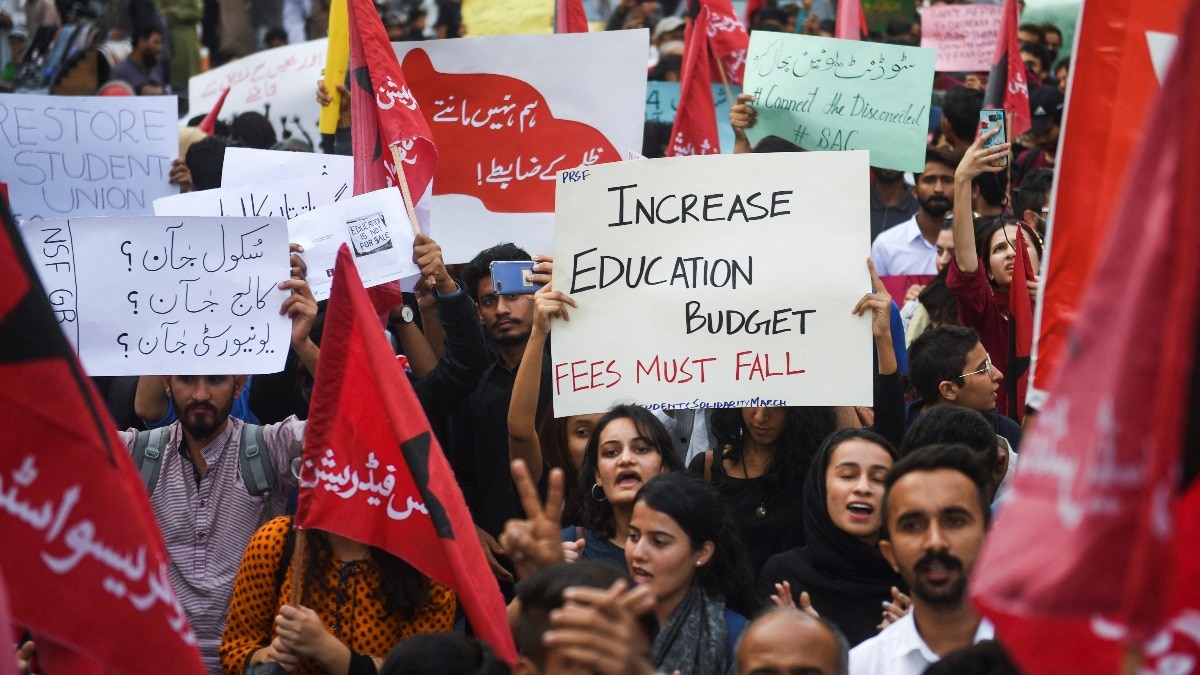
A primary reason for this stagnation is the historical suppression of campus activism. During the military rule of General Zia-ul-Haq in the 1980s, student unions were banned, stripping campuses of their role as breeding grounds for political leadership. Unlike in India or Bangladesh, where student wings of major parties provide a ready-made mobilization structure, Pakistani students lack this organized network.
Fragmented Resistance
While there is resistance in pockets—such as the movements in Balochistan demanding autonomy—these struggles often remain localized or overshadowed by security concerns. They fail to coalesce into a broad, national front that can demand systemic change at the federal level.
Frequently Asked Questions
1. Is Pakistan's youth politically inactive?
No, social media engagement and regional activism show high political awareness, but there is a lack of organized, nationwide mobilization.
2. How did the ban on student unions affect the country?
It eroded the ability of students to organize, leaving a vacuum in political leadership and institutionalized dissent.