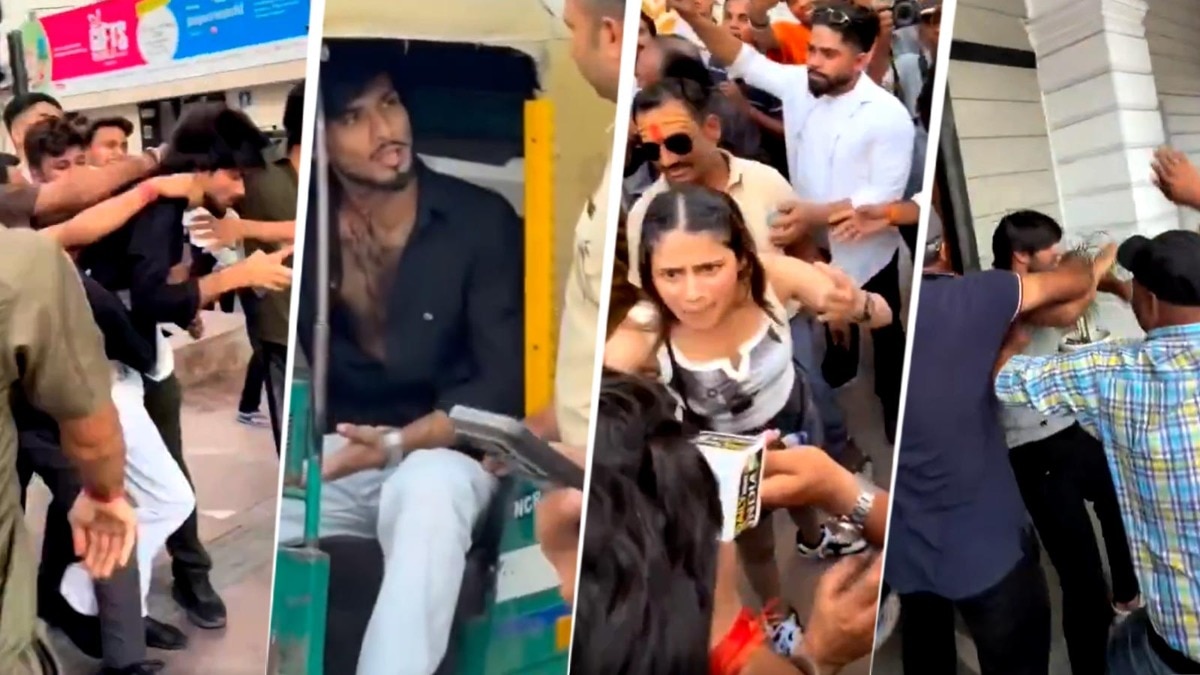
Following the conclusion of the student protests led by the Cockroach Janata Party (CJP) regarding the NEET paper leak, videos of physical assaults and doxxing targeting protesters have surfaced in Delhi.
Key Takeaways
- Videos of physical assaults and threats against NEET protesters have gone viral.
- A digital doxxing campaign is targeting students' identities on social media.
- Incidents of forced apologies and mob violence reported in Connaught Place.
- Political polarization intensifies between supporters and opposition groups.
The conclusion of the student-led agitation against the NEET paper leak, spearheaded by the Cockroach Janata Party (CJP), has been marred by reports of violence and intimidation in Delhi. Multiple videos circulating on social media depict protesters being assaulted, threatened, and coerced into making public apologies.
In one widely shared clip from Connaught Place, an individual identifying as a journalist is seen grabbing a student by the throat, demanding an apology for alleged remarks against the Prime Minister. Another harrowing video shows a young man being chased and beaten by a group of people, resulting in visible injuries. These incidents have sparked widespread outrage among student activists.
Why This Matters
BozokMedia analysis shows that this escalation represents a dangerous shift from physical confrontation to digital warfare. The practice of 'doxxing'—releasing personal details of protesters to incite harassment—poses a systemic threat to the right to peaceful assembly and free speech in the digital age.
The transition from political debate to targeted personal harassment marks a troubling decline in civic discourse.
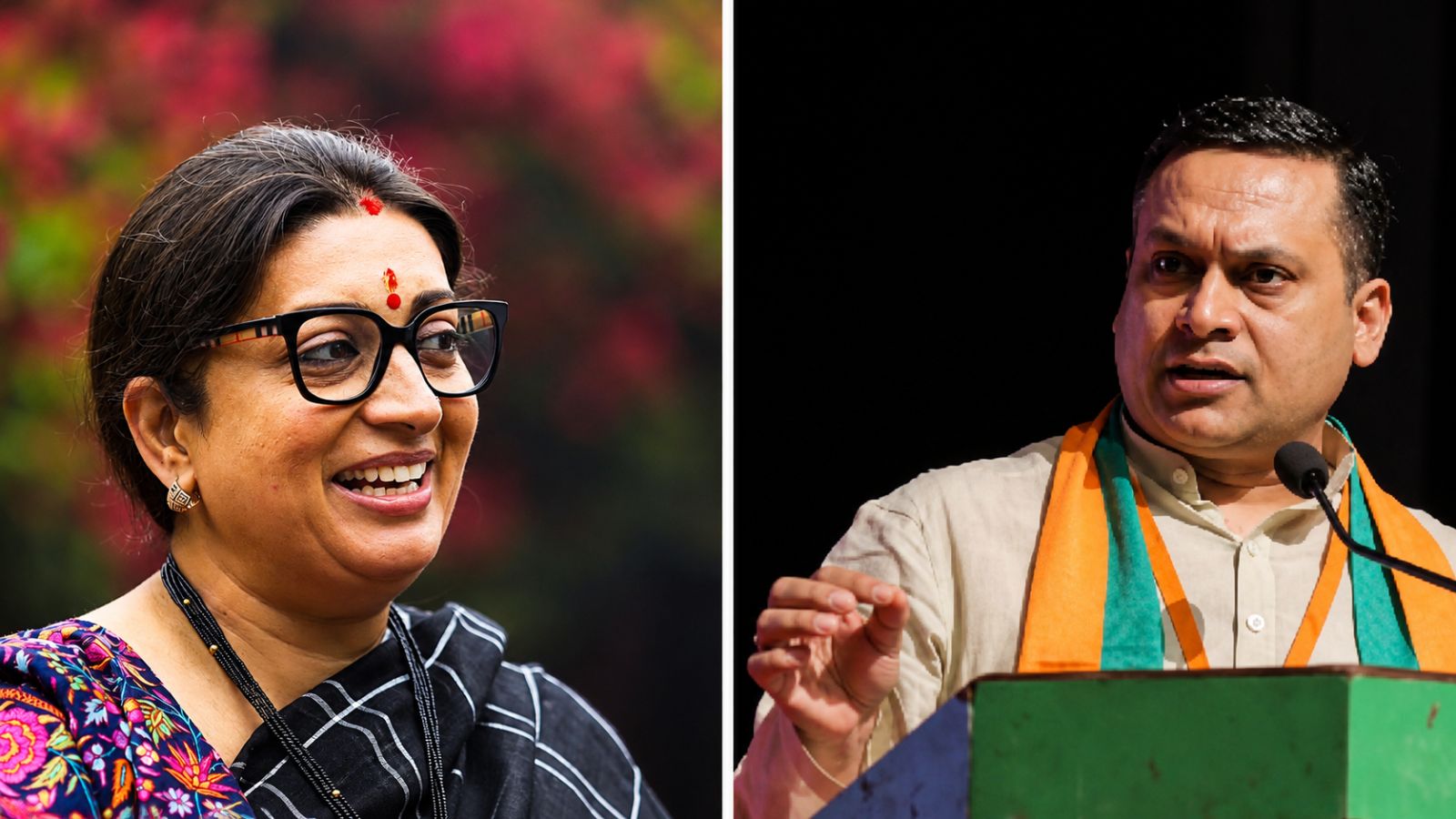
While BJP-aligned social media handles are calling for strict legal action against protesters, citing offensive content shared during the movement, the Indian Youth Congress has condemned these actions as an attempt to silence dissent. The CJP maintains that the actions of a few individuals should not be used to discredit the entire movement's legitimate grievances.
Historical Background
Student movements in India have historically been the vanguard of social change, particularly concerning educational reforms and recruitment transparency. However, the advent of social media has introduced new complexities, making protesters vulnerable to both physical mob violence and coordinated online harassment campaigns.
Frequently Asked Questions
1. What was the core issue of the CJP protest?
The protest was primarily focused on seeking accountability and transparency regarding the NEET paper leak scandal.
2. What is the current situation in Delhi?
Tensions remain high as digital campaigns target student protesters while political groups debate the legality of their recent conduct.