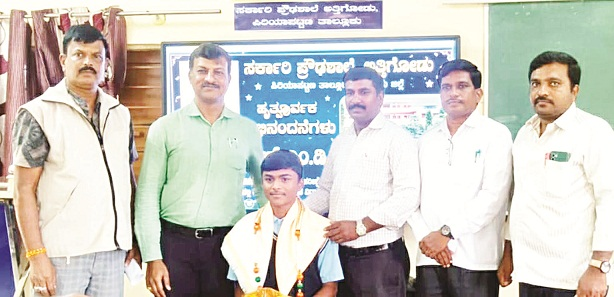
Rural students possess immense potential that remains largely untapped due to a lack of resources. Providing them with the right platform is crucial for national growth.
Key Takeaways
- Rural students possess immense untapped potential.
- Lack of resources and digital access remains a major hurdle.
- Support from both government and private sectors is vital.
As highlighted by recent discussions, students in rural areas demonstrate extraordinary talent and resilience. However, a significant gap exists between rural and urban educational opportunities. Without proper infrastructure and mentorship, this talent remains confined to small pockets of the country.
The Resource Gap and Digital Divide
The primary struggle for rural students is not a lack of intellect, but a lack of access. Modern technology, high-speed internet, and quality libraries are often luxuries in remote villages. This digital divide creates an uneven playing field, making it difficult for rural students to compete in national-level examinations and global markets.
Why This Matters
BozokMedia analysis shows that bridging the rural-urban education gap is essential for sustainable national development. By empowering rural youth, we tap into a massive reservoir of human capital that can drive innovation and economic stability across the nation.
Empowering rural talent is not just a matter of social justice; it is a strategic necessity for a growing economy.
Historically, many of the nation's greatest minds emerged from humble rural beginnings. However, in the modern era, raw talent must be paired with technological proficiency to truly compete on a global scale.
Frequently Asked Questions
Question 1: What is the biggest barrier for rural students?
Answer: The lack of access to digital tools, quality coaching, and modern educational infrastructure.
Question 2: How can we support these students?
Answer: Through targeted scholarships, improved internet connectivity, and community-based learning centers.


