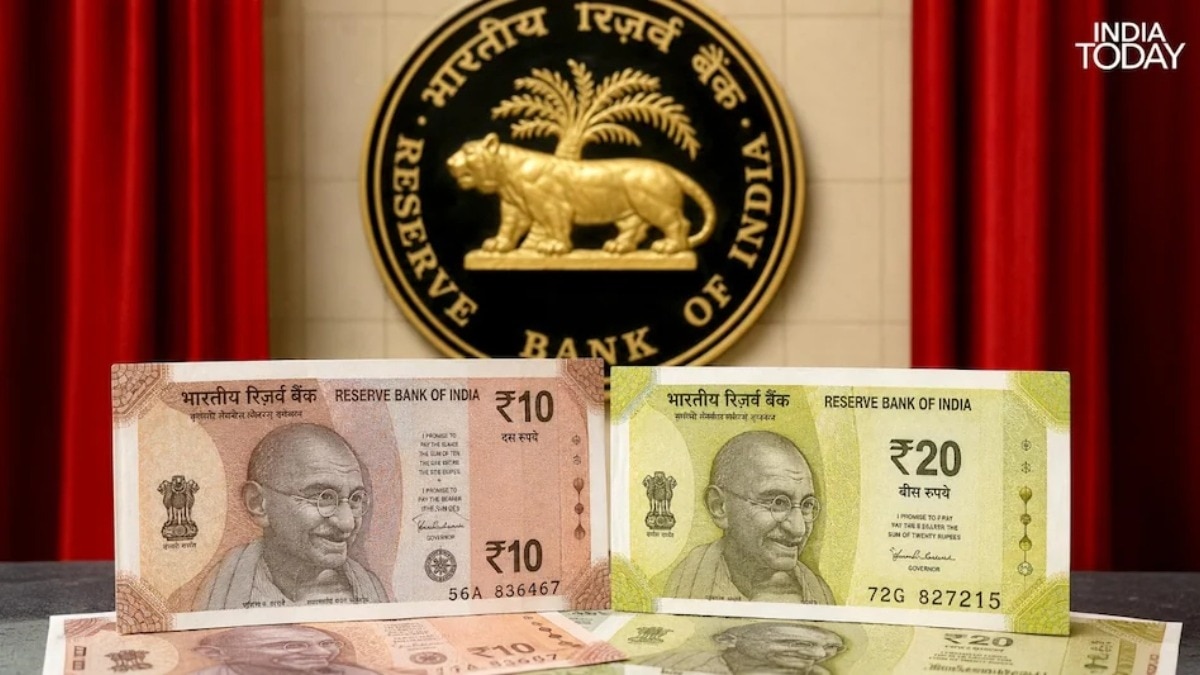
The Modi government has cleared the RBI proposal for ₹10 and ₹20 polymer notes, launching a field trial while keeping existing paper money in circulation.
Key Takeaways
- RBI's proposal for ₹10 and ₹20 plastic notes approved
- Initial field trial of 100 crore notes per denomination
- No immediate plan to withdraw paper notes
New Delhi (July 28, 2026) – Prime Minister Narendra Modi’s administration has officially endorsed the Reserve Bank of India’s (RBI) plan to introduce polymer (plastic) ₹10 and ₹20 notes. The new notes will be rolled out alongside existing paper currency, ensuring both remain in circulation.
The government announced a pilot phase involving 100 crore (one billion) notes of each denomination. If the trial proves successful, regular issuance will follow. Meanwhile, the current paper notes will retain their legal tender status, and there is no proposal to replace them outright.
Why This Matters
BozokMedia analysis shows that introducing polymer notes could enhance durability and security of Indian currency while supporting the broader shift toward digital payments.
"Polymer notes’ longer lifespan and difficulty to counterfeit make them a strategic move for the Indian economy," said the RBI Governor.
Frequently Asked Questions
Q1: Will plastic notes eventually replace paper notes?
Ans: No immediate plan; both types will coexist for the foreseeable future.
Q2: What security features do plastic notes offer?
Ans: They are more durable, water‑resistant, and harder to forge, reducing fraud risk.