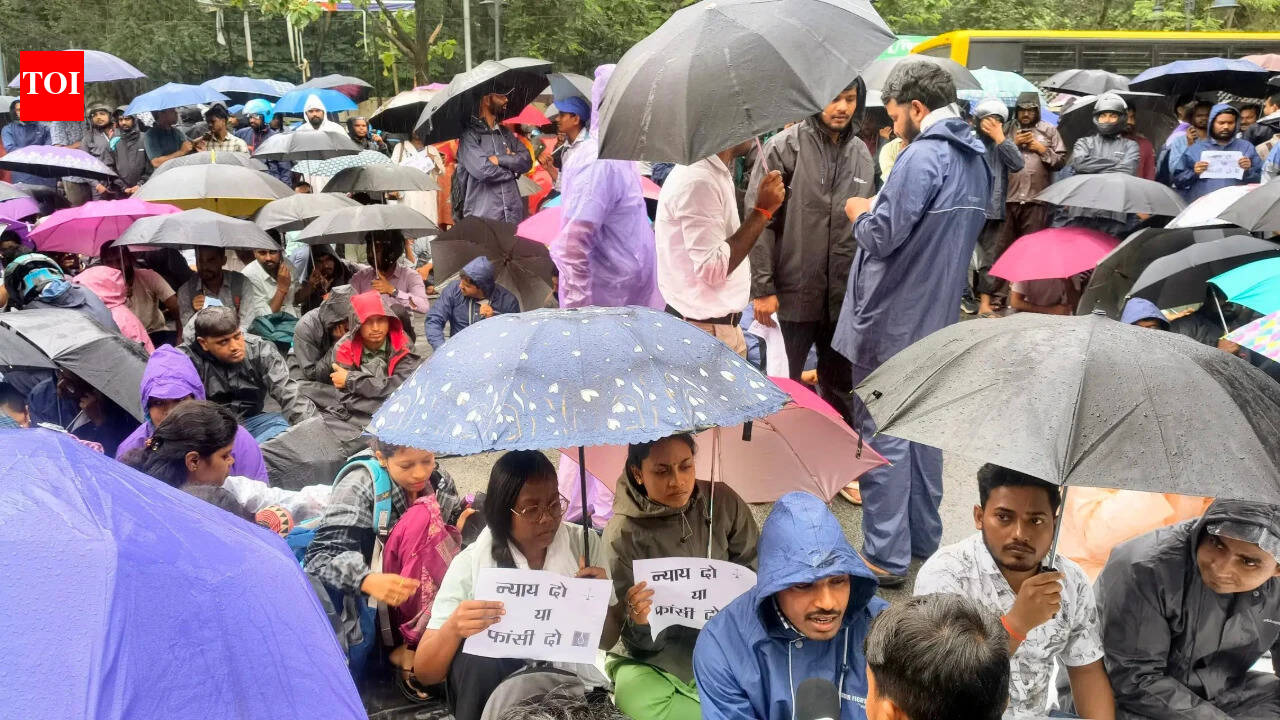
The Union Government has reiterated its position regarding the Mekedatu dam project, stating that Karnataka does not require consent from other riparian states to build the structure.
Key Takeaways
- The Centre stated that the 2018 Supreme Court judgment does not mandate consent from Tamil Nadu, Kerala, or Puducherry.
- The project aims to address Bengaluru's growing drinking water crisis.
- Tamil Nadu CM has urged the PM to withdraw the government's stance, citing potential impact on the Cauvery Delta.
The Union Government on Thursday reiterated its stance on the controversial Mekedatu dam project in the Lok Sabha, mirroring the reply previously given in the Rajya Sabha. Replying to a query from DMK MP Dayanidhi Maran regarding the impact on Tamil Nadu, Union Minister of State for Jal Shakti Raj Bhushan Choudhary clarified the legal position of the Centre.
Minister Choudhary informed the Lower House that the Supreme Court's February 2018 judgment on the Cauvery dispute does not stipulate that the State of Karnataka must obtain consent from other riparian states—namely Tamil Nadu, Kerala, and the UT of Puducherry—to construct structures across the river. The Minister noted that the government has taken cognizance of representations from Tamil Nadu and farmer organizations regarding potential impacts on the Cauvery delta.
Why This Matters
BozokMedia analysis shows that this development intensifies the long-standing interstate water dispute. While Karnataka seeks to secure its capital's water future, the downstream states fear a disruption in the regulated flow essential for agriculture and drinking water. This legal interpretation by the Centre could set a significant precedent for future riparian water rights in India.
The Mekedatu issue is no longer just a water management problem; it has transformed into a high-stakes constitutional and political confrontation.
Tamil Nadu Chief Minister C. Joseph Vijay has expressed strong opposition to the Union Minister's reply. In a formal letter to Prime Minister Narendra Modi, the CM argued that the project cannot be viewed merely as an engineering proposal. He contended that any project affecting the regulated flow established under the Cauvery Water Disputes Tribunal award requires rigorous scrutiny to ensure compliance with scheduled deliveries to lower riparian states.
Historical Background
The Cauvery water dispute has been a source of friction between Karnataka and Tamil Nadu for decades. The Cauvery Water Disputes Tribunal (CWDT) and subsequent Supreme Court rulings have attempted to regulate the distribution of water. The Mekedatu project, proposed by Karnataka, is intended to create a reservoir to store water for Bengaluru, but it remains a flashpoint for regional tensions.
Frequently Asked Questions
1. What is the primary purpose of the Mekedatu dam?
The project is designed to build a reservoir to meet the increasing drinking water demands of Bengaluru.
2. Why is Tamil Nadu protesting the project?
Tamil Nadu fears that the dam will reduce the water flow to the Cauvery Delta, affecting agriculture and the availability of drinking water in downstream districts.