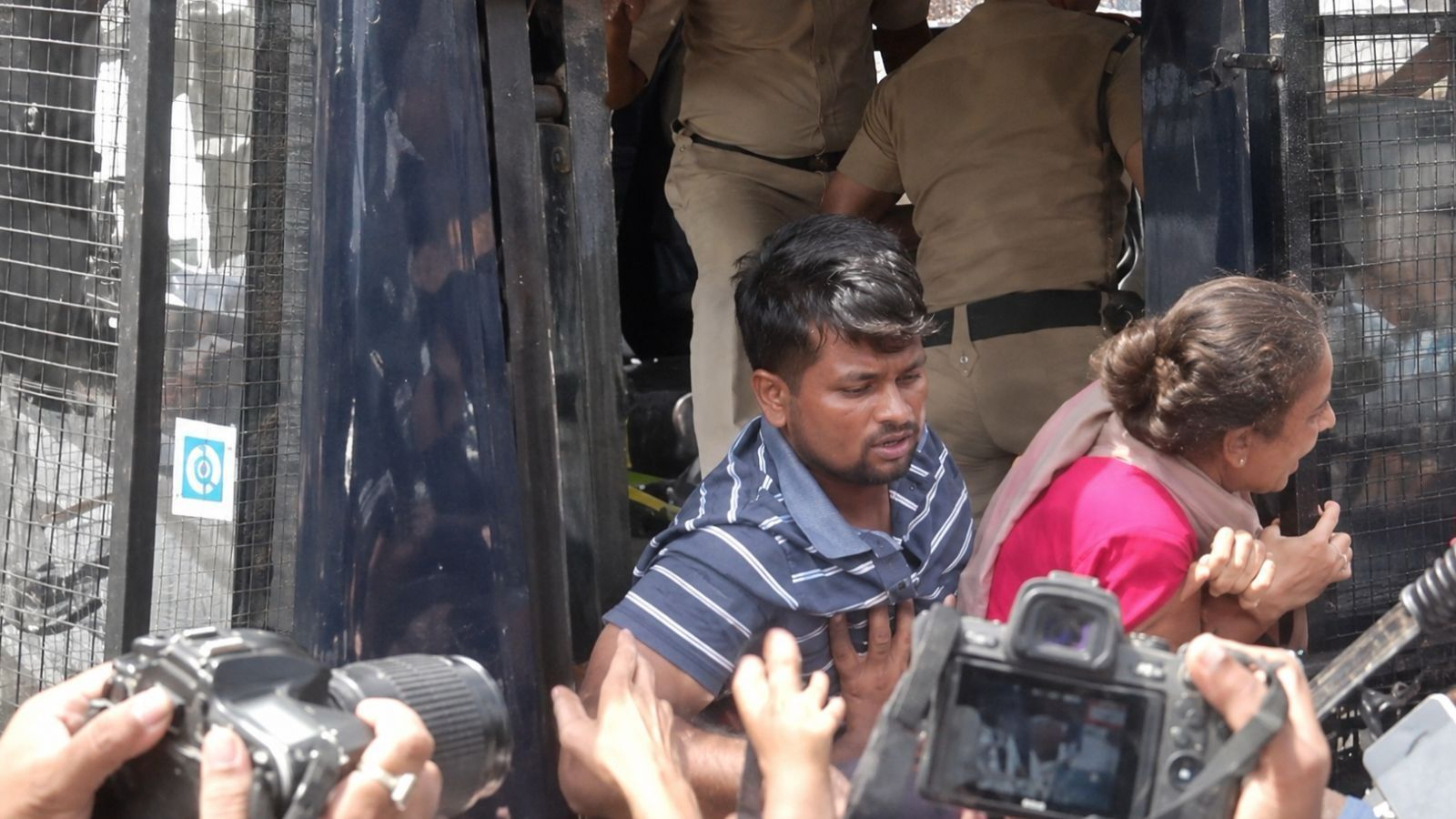
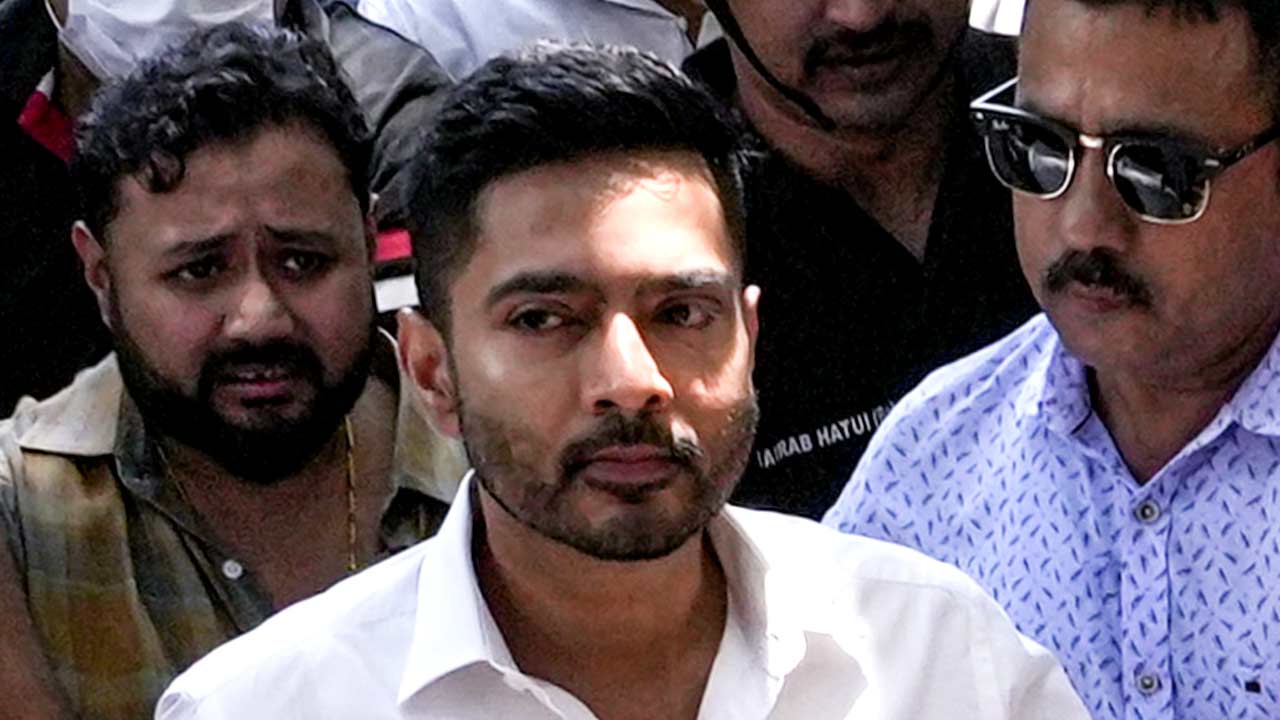
Escalating protests across India are burdening ordinary citizens despite government attempts to intervene. The integrity of the judiciary and the continuity of bureaucracy are now under intense scrutiny.
Key Takeaways
- Protests directly impact everyday citizens.
- Government measures have struggled to curb law violations.
- Bureaucracy continues operating while judicial independence is questioned.
Background of the Protests
In recent months, cities nationwide have witnessed mass rallies that disrupted traffic, shuttered businesses, and strained public services. Citizens faced roadblocks, supply shortages, and a palpable sense of uncertainty in daily life.
Government Response
Both central and state authorities announced intensified police deployments, curfew orders, and dialogue platforms. Yet, these efforts often fell short as the scale and diversity of the movements outpaced official actions.
Why This Matters
BozokMedia analysis shows that the erosion of rule of law in favor of street pressure threatens democratic institutions. When public pressure undermines judicial independence, the very foundations of democracy begin to shake.
"If popular pressure weakens judicial independence, the future of democracy becomes uncertain." — Prof. Ajay Singh, Constitutional Scholar
Impact on the Judiciary
Supreme Court rulings have been perceived as yielding to mass protests, causing delays and uncertainty in legal proceedings. This not only weakens the legal system but also jeopardizes citizens' rights.
Frequently Asked Questions
Question 1: Are the protests justified?
Answer: While many groups raise legitimate economic and social grievances, the tactics often breach legal boundaries.
Question 2: How can the government restore order?
Answer: Enhancing dialogue, safeguarding judicial independence, and adopting a sensitive policing approach are essential steps.