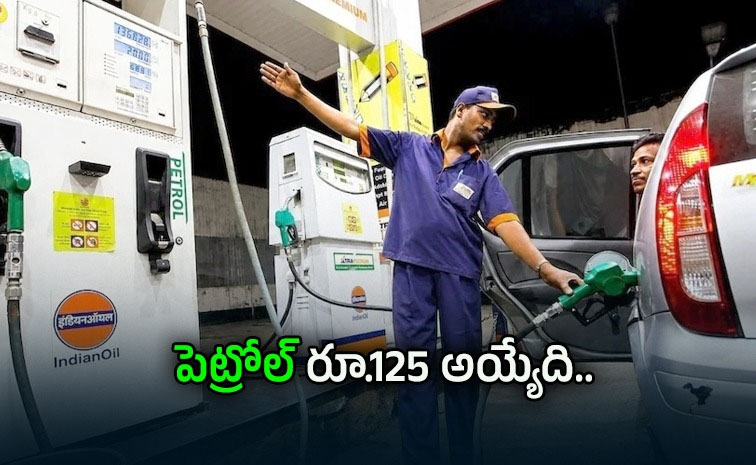
The Union Government has revealed that without the Ethanol Blended Petrol (EBP) program, petrol prices in Delhi could have surged to ₹125 per litre. The Ministry also dismissed allegations regarding the misuse of FCI rice for ethanol production.
Key Takeaways
- Petrol could have reached ₹125/litre in Delhi without ethanol blending.
- Government uses only surplus and damaged rice for ethanol, ensuring food security.
- India achieved its 20% ethanol blending target five years ahead of schedule.
- Ethanol blending has saved over ₹1.90 lakh crore in foreign exchange.
The Ministry of Petroleum and Natural Gas has defended the Ethanol Blended Petrol (EBP) program, stating that it has acted as a critical buffer against volatile international crude oil prices. According to the official statement, if ethanol had not been blended, petrol prices in Delhi could have soared to approximately ₹125 per litre due to the massive surge in global oil markets.
Addressing Food Security Concerns
The Central Government has categorically rejected allegations that the Food Corporation of India (FCI) is selling rice at low prices to distilleries, causing a loss to the exchequer. The Ministry emphasized that food security remains the highest priority. Only surplus stocks, damaged grains, and rice unfit for human consumption are diverted to ethanol production after fulfilling the requirements of the Public Distribution System (PDS) and the National Food Security Act (NFSA).
The transition to ethanol-blended fuel is a strategic masterstroke that aligns economic savings with environmental sustainability.
Why This Matters: BozokMedia Analysis
BozokMedia analysis shows that India's aggressive push toward ethanol blending has yielded massive macroeconomic benefits. Since 2014-15, the program has saved over ₹1.90 lakh crore in foreign exchange and reduced crude oil imports by more than 310 million metric tonnes. Furthermore, it has provided an additional income of over ₹1.60 lakh crore to farmers.
| Feedstock Type | Procurement Price (per Litre) |
|---|---|
| Maize | ₹71.86 |
| Sugarcane Juice/Syrup | ₹65.61 |
| FCI Rice | ₹60.32 |
| B-Heavy Molasses | ₹60.73 |
The Roadmap Ahead
While India has reached the 20% blending milestone—achieving the 2030 goal five years early—the government clarified that there are no immediate plans to exceed the 20% limit for regular petrol. Any future increase will be preceded by rigorous scientific studies and consultations with automobile manufacturers and oil marketing companies. The E85 fuel remains specifically for flex-fuel vehicles only.
Frequently Asked Questions
1. Is the use of rice for ethanol affecting food availability?
No, the government uses only surplus and damaged grains that are not intended for human consumption.
2. Has India met its ethanol blending targets?
Yes, India achieved its 20% blending target by 2025-26, which was originally set for 2030.