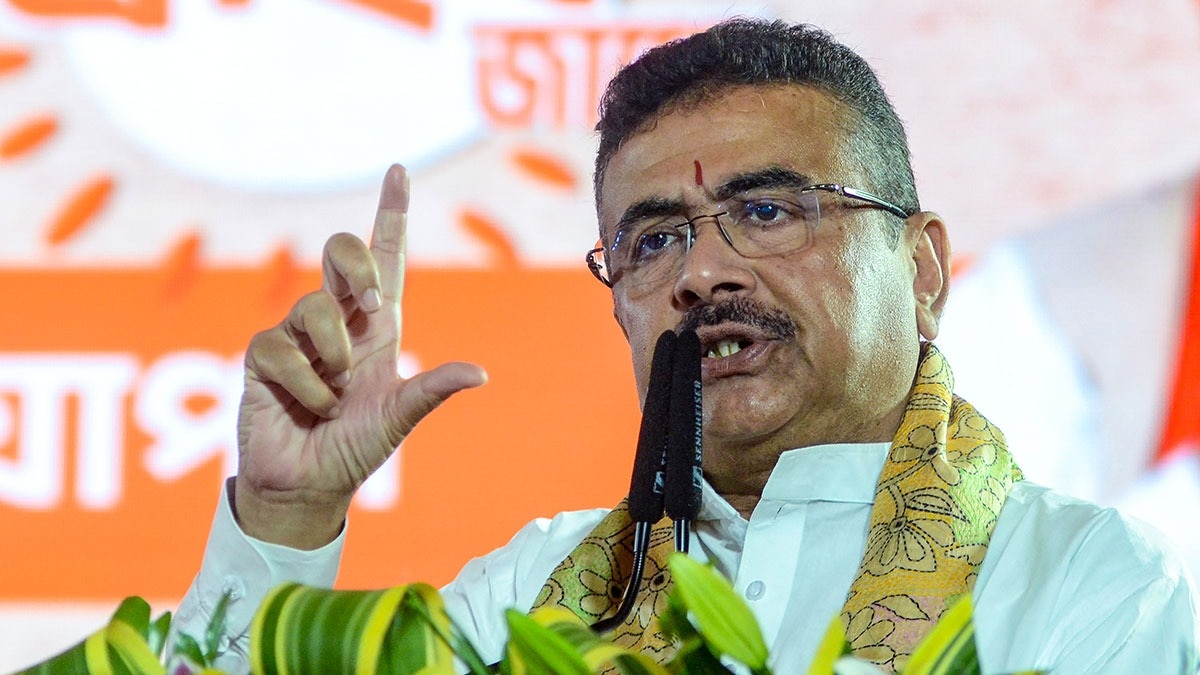
During the CJP protest in Delhi, several police officers were attacked, leaving their uniforms soaked in blood. Their relatives have now spoken out, describing the harrowing scene and demanding better protection for law‑enforcement personnel.
Key Takeaways
- Police uniforms were found drenched in blood after the clash
- Family members shared painful eyewitness accounts
- The incident raises serious concerns about officer safety and protest management
In Delhi, a CJP (Central Justice Person) protest turned violent when demonstrators hurled stones and bricks at on‑duty police officers. Several officers sustained serious injuries, prompting their families to recount the traumatic events to the media.
One relative recounted, “When my father came home, his uniform was red with blood. He was on duty and suddenly the crowd started beating him.” This testimony aligns with statements from other families, painting a stark picture of the brutality faced by the police.
The relatives emphasized not only the physical wounds but also the deep psychological scars. Many say their loved ones continue to live with fear and uncertainty, despite receiving medical treatment.
Why This Matters
BozokMedia analysis shows that such incidents erode public trust in law‑enforcement agencies and raise urgent questions about protest management, crowd control protocols, and the safety of officers on duty.
"Ensuring police safety is fundamental to a functioning democracy," security analyst Dr. Ajay Singh noted.
Frequently Asked Questions
Question 1: Has a special commission been set up to investigate this incident?
Answer: Yes, Delhi Police has formed a dedicated investigation team to conduct an independent inquiry into all allegations.
Question 2: What assistance are the affected families receiving?
Answer: The government announced financial aid and counseling services, though many families consider the support insufficient.