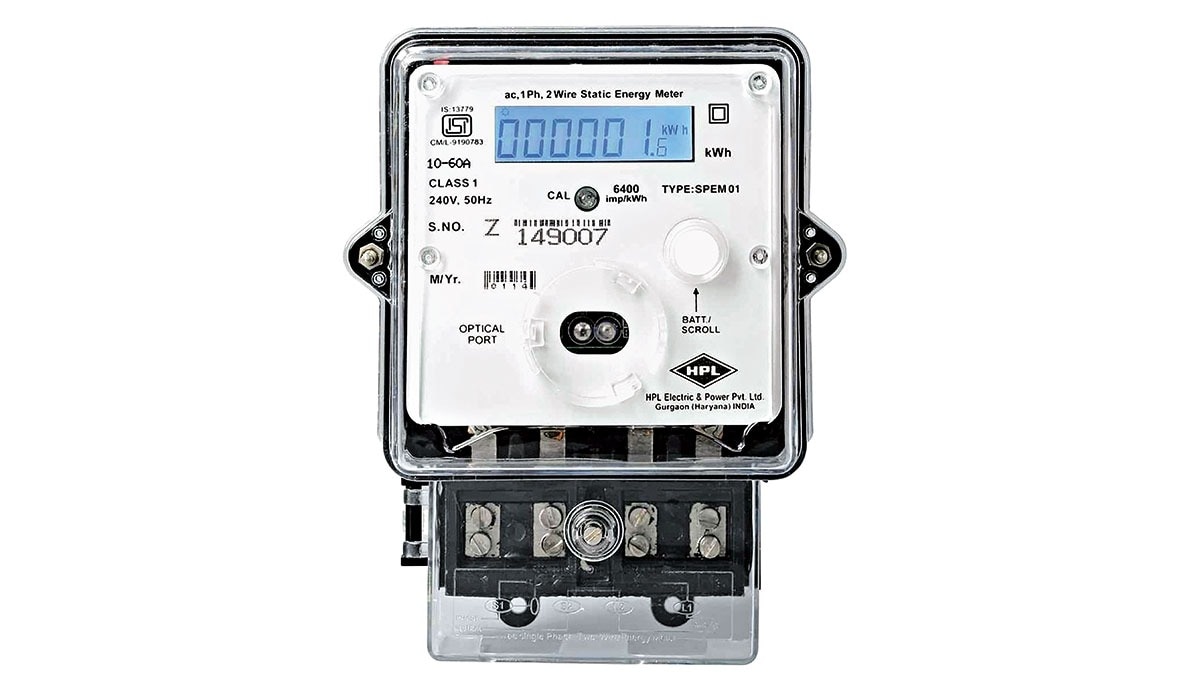
West Bengal has officially entered the smart metering era. Chief Minister Suvendu Adhikari has introduced the scheme with a focus on consumer persuasion rather than compulsion to ease public anxiety.
Key Takeaways
- West Bengal officially begins the rollout of smart electricity meters.
- CM Suvendu Adhikari emphasizes a 'persuasion over compulsion' approach.
- The move marks a significant milestone in India's digital energy transition.
In a landmark move for the state's energy infrastructure, West Bengal has officially crossed the threshold into the era of smart electricity metering. As one of the last major holdouts among large Indian states, the state's transition marks a pivotal moment in the national push for digitalized power distribution.
Recognizing the deep-seated anxieties regarding sudden bill hikes and data privacy, Chief Minister Suvendu Adhikari has rolled out the scheme with a strategic 'sweetener.' He has sought to reassure domestic consumers that the transition will be driven by persuasion and awareness rather than strict compulsion, aiming to mitigate public backlash.
Why This Matters
BozokMedia analysis shows that the shift to smart metering is essential for reducing Transmission and Distribution (T&D) losses and improving grid stability. However, the success of this rollout hinges entirely on how the administration manages the 'plug-in anxieties' of the common citizen.
The transition to smart technology is inevitable, but the social contract between the utility provider and the consumer must remain intact.
Historically, smart meter implementation across various Indian states has faced significant friction due to fears of inaccurate billing. West Bengal's approach will serve as a litmus test for whether a 'consumer-friendly caution' model can successfully implement large-scale technological shifts in a politically sensitive environment.
Frequently Asked Questions
1. Is the smart meter installation mandatory in West Bengal?
The administration is currently focusing on persuading consumers to adopt the technology rather than forcing an immediate mandate.
2. How do smart meters benefit the consumer?
They provide real-time data on electricity usage, allowing for better consumption management and more accurate billing.