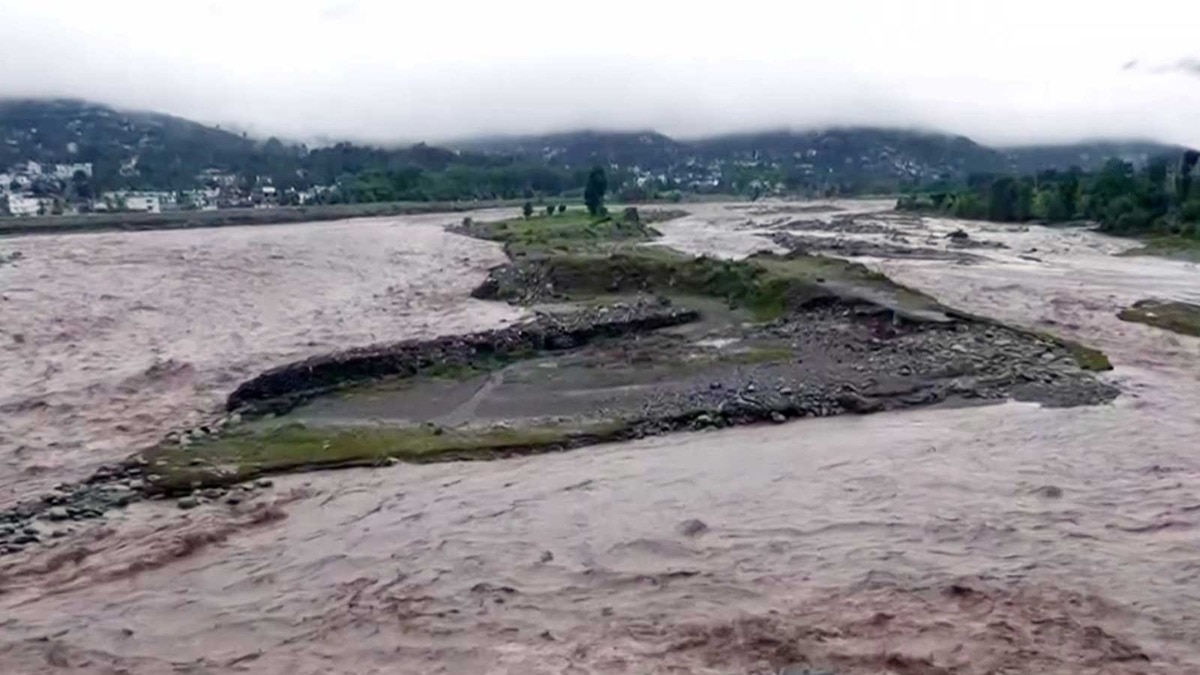
A massive cloudburst in Jammu & Kashmir's Kishtwar district has triggered sudden flash floods, leading to widespread disruption and the closure of schools throughout the Chenab Valley.
Key Takeaways
- Sudden cloudburst in Kishtwar leads to intense flash flooding.
- Educational institutions across Chenab Valley ordered to shut immediately.
- Local authorities on high alert; residents advised to stay away from water bodies.
The district of Kishtwar in Jammu and Kashmir has been struck by a sudden and violent cloudburst, triggering intense flash floods across the region. The sudden influx of water has caused chaos in several low-lying areas, posing a significant threat to life and property. The rapid rise in water levels has left local residents in a state of panic.
Precautionary Measures and School Closures
In response to the escalating situation, the district administration has taken proactive steps by ordering the immediate closure of all schools across the Chenab Valley. This decision was made to ensure the safety of students and staff, as the risk of landslides and sudden flooding remains extremely high in these mountainous terrains.
Why This Matters
BozokMedia analysis shows that the frequency of cloudburst events in the Himalayan belt is increasing due to shifting weather patterns. For districts like Kishtwar, these sudden meteorological events act as major triggers for socio-economic disruption, cutting off vital transport links and endangering vulnerable mountain communities.
The increasing unpredictability of weather in high-altitude zones necessitates more robust early warning systems and rapid response infrastructure.
Historical Background
The Chenab Valley region has a history of being susceptible to extreme weather events. Due to its steep topography and dense river networks, the area often faces the brunt of monsoon-related disasters, making disaster management a perennial challenge for the local government.
Frequently Asked Questions
1. Is there any immediate danger to residents?
Authorities have warned residents living near riverbanks to move to higher ground immediately.
2. When will schools reopen?
School reopenings depend on weather stabilization and safety assessments by the local administration.