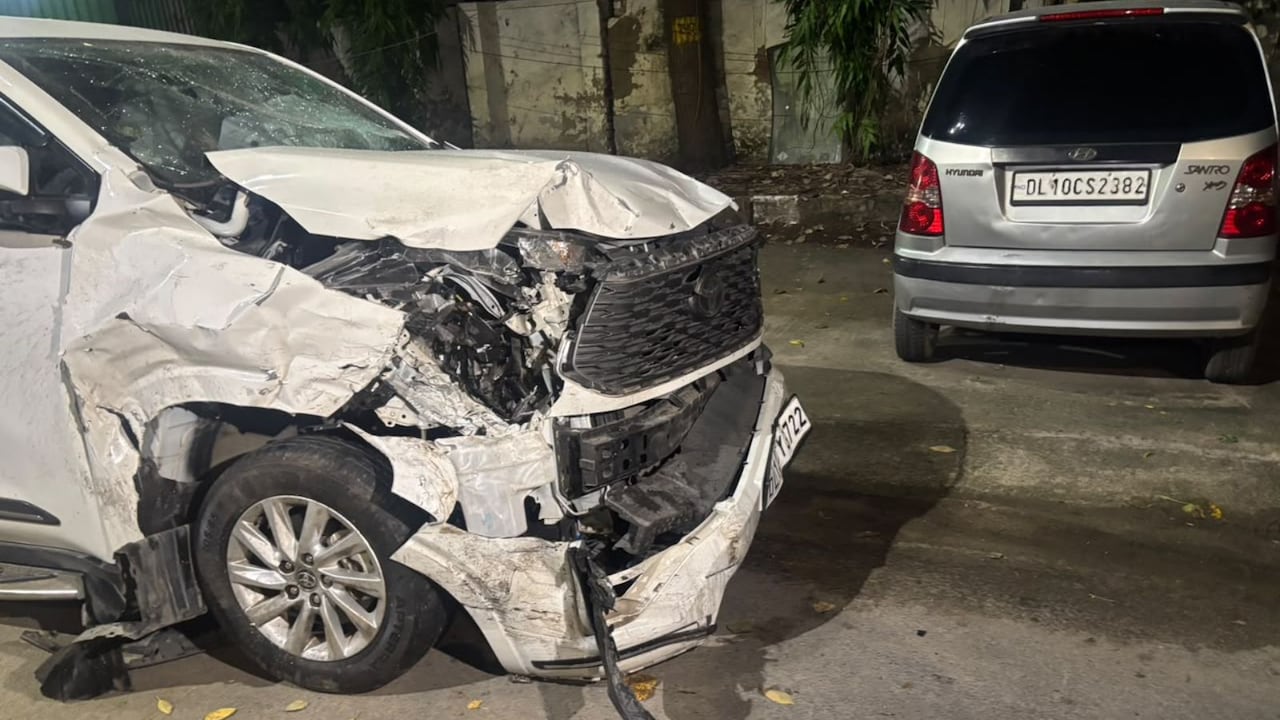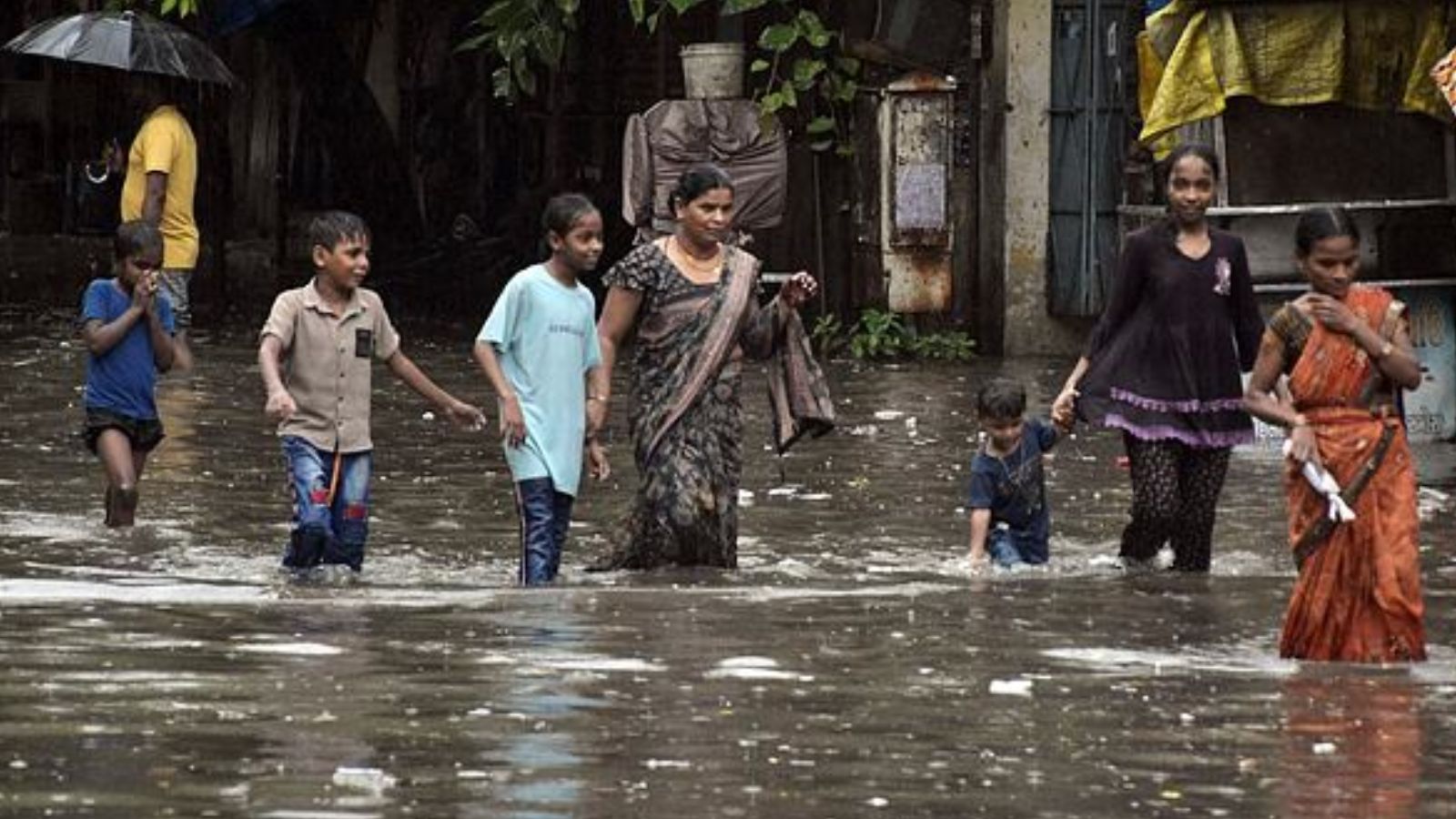
Torrential rains in Gujarat have claimed four lives, forcing the evacuation of over 16,500 people. The IMD has issued a red alert for five districts as rescue operations intensify.
Key Takeaways
- Four fatalities reported due to electrocution and drowning in Gujarat.
- Over 16,500 residents shifted to safer locations across the state.
- IMD issues Red Alert for 5 districts and Orange Alert for 11 districts.
- Army and Air Force on standby for emergency rescue operations.
Heavy monsoon rains lashed several parts of Gujarat on Friday, leading to tragic loss of life and widespread disruption. In the Navsari district, three individuals died of electrocution after a transport vehicle came into contact with a high-tension wire. In Anand, an 11-year-old girl was tragically swept away by a canal.
According to government data, the state has already received 61.5% of its seasonal rainfall. In response to the escalating crisis, Chief Minister Bhupendra Patel reviewed emergency protocols at the State Emergency Operations Centre. Authorities have successfully rescued 41 individuals and evacuated more than 16,500 people to relief shelters.
Why This Matters
BozokMedia analysis shows that the increasing frequency of extreme weather events in Gujarat is testing the limits of state disaster management. The combination of urban flooding in cities like Ahmedabad and rural infrastructure failures in Navsari highlights a critical need for integrated monsoon preparedness.
The scale of evacuation underscores the massive logistical challenge posed by erratic monsoon patterns in Western India.
To manage the crisis, two Army columns have been deployed in Ahmedabad, Navsari, and Surat. Additionally, Air Force helicopters are stationed at strategic locations including Jamnagar and Vadodara to facilitate rapid aerial rescue if needed.
Historical Background
Gujarat's coastal and industrial geography makes it highly susceptible to heavy monsoon surges. Over the decades, the state has significantly upgraded its disaster response through the NDRF and SDRF, but extreme rainfall events continue to challenge urban drainage systems.
Frequently Asked Questions
1. Which districts are under the Red Alert?
The IMD has placed five specific districts under a Red Alert due to expected extreme rainfall.
2. Are public parks open in Ahmedabad?
No, entry to lakefront gardens in Ahmedabad has been banned to ensure public safety during the heavy rain period.