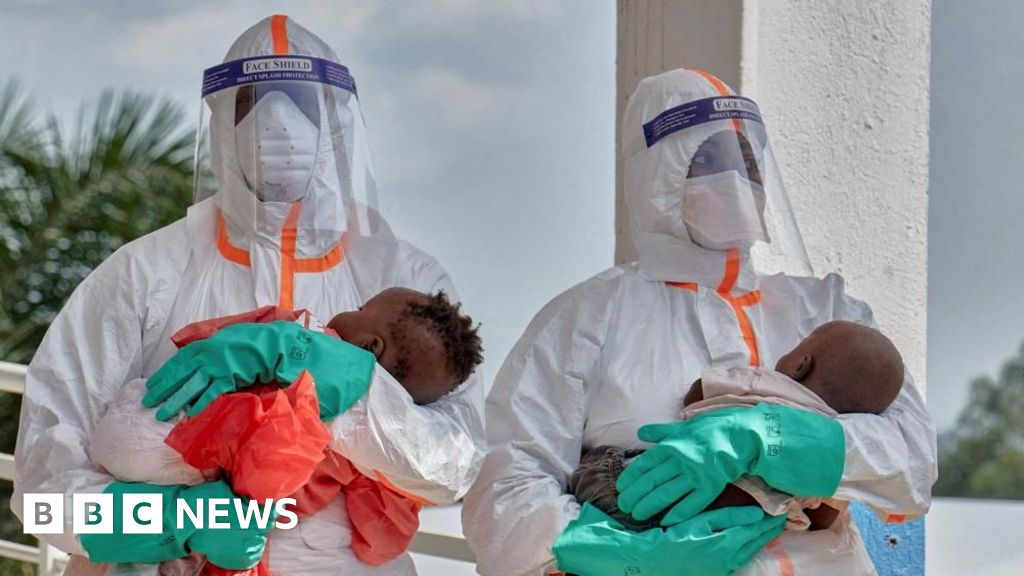
The Bundibugyo strain of Ebola has erupted into the largest outbreak in the Democratic Republic of Congo’s history, with 3,605 confirmed cases and 1,587 deaths. WHO warns the transmission is accelerating at an unprecedented pace.
Key Takeaways
- As of July 30, 3,605 confirmed cases and 1,587 deaths (44% fatality rate).
- No approved vaccine or treatment for the Bundibugyo strain yet, but candidates are in development in the UK and Singapore.
- Insecurity, population displacement, and cross‑border movement are hampering response efforts.
Democratic Republic of Congo is now facing its biggest Ebola outbreak ever, according to the World Health Organization. By July 30, 3,605 cases had been confirmed and 1,587 people had died, pushing the case‑fatality ratio to 44%.
The outbreak, declared on May 15, 2026, is driven by the Bundibugyo strain and has already surpassed the previous record set between 2018 and 2020, which saw nearly 3,500 cases.
There is currently no licensed vaccine or therapeutic for this strain, but promising candidates are being pursued in the United Kingdom and Singapore. WHO highlighted that Singapore’s “most promising” vaccine could be ready soon, while a separate trial has begun in the UK.
WHO warned that insecurity, massive population displacement, and cross‑border movements – especially in Ituri, North Kivu and South Kivu provinces where the Rwanda‑backed M23 militia controls large areas – are complicating response operations and increasing the risk of further spread.
Why This Matters
BozokMedia analysis shows that the rapid spread of this strain threatens not only the already fragile health infrastructure but also regional stability. Without a fast‑track vaccine, neighboring countries could see a cascade of new cases.
"The unknown characteristics of the Bundibugyo strain underscore the urgency of accelerating vaccine development," said a WHO spokesperson.
Historical Background
Over the past five decades, Ebola has claimed roughly 15,000 lives across Africa. The virus was first identified in 1976 in what was then Zaire (now DRC), and while several outbreaks have occurred since, the intensity of the Bundibugyo strain is unprecedented.
Frequently Asked Questions
Question 1: When will a vaccine for the Bundibugyo strain be available?
Answer: If the ongoing trials in Singapore and the UK prove successful, a licensed vaccine could be rolled out as early as next year.
Question 2: Which regions are most affected?
Answer: The Ituri province is the epicenter, with significant case numbers also reported in North and South Kivu.

