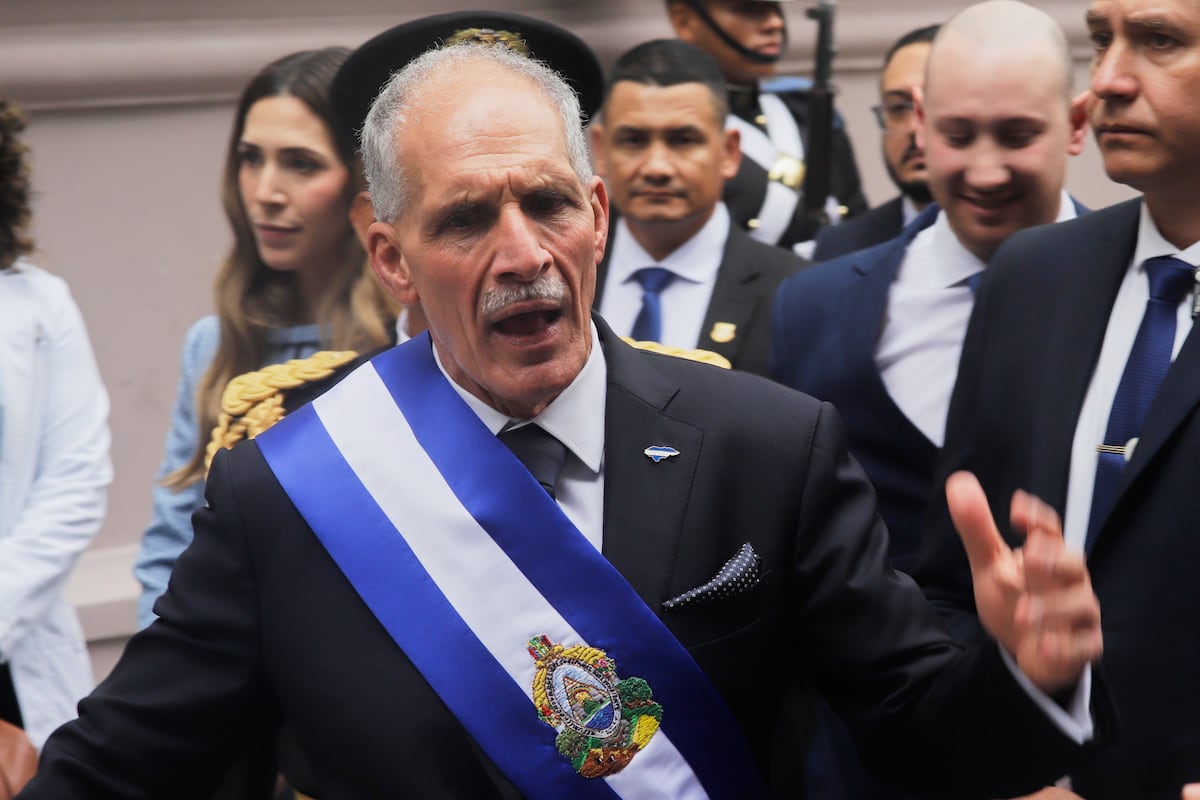
Nasry Asfura entered office promising a leaner state and swift reforms, but six months in his administration faces a health emergency, private sector favoritism, and the looming return of former president Juan Orlando Hernández.
Key Takeaways
- 113 institutions saw staff cuts
- 500 million lempira health trust fund approved
- Private sector contracts surge amid public discontent
Nasry Asfura took the oath on Jan. 27, pledging to shrink the state and boost efficiency, backed by U.S. President Donald Trump. He vowed to be judged by actions, not promises.
Within weeks the new government eliminated 10 agencies and reduced personnel at 113 institutions, including the National Housing Commission and the Transparency Secretariat, signaling an aggressive austerity drive.
Health quickly became the first battleground. Asfura appointed himself minister of health and, under a state of emergency, created a 500‑million‑lempira (≈ $18.7 million) trust fund to tackle drug shortages, surgical backlogs, and hospital capacity. Critics warned the scheme opened the door to private‑sector contracts and potential privatization.
Four months later, hospitals still reported shortages and only 227 surgeries had been completed. By late June, the government disclosed spending 10 million lempira (≈ $372,000) on 154 surgeries, averaging $2,400 each – a modest output for the funds allocated.
While the health emergency stalled, other executive actions moved swiftly. The administration passed a law strengthening the agro‑industrial sector, leading to forced evictions of three communities, including a Garífuna village protected by the Inter‑American Court of Human Rights. Congress is also debating amendments to privatize electricity distribution.
Historical Background
Honduras has long grappled with corruption and drug trafficking. Former President Juan Orlando Hernández was convicted in the United States in 2022, later pardoned by Trump in 2025. Asfura’s term began amid lingering doubts over electoral integrity and a fragile democratic fabric.
Why This Matters
BozokMedia analysis shows that Asfura’s reliance on emergency decrees and trust funds erodes democratic norms and deepens socioeconomic divides, threatening Honduras’s long‑term stability.
“Asfura’s policies appear to sacrifice public health for private profit, risking widespread social unrest.” – Dr. Agresio Girón, political analyst.
| Fiscal Year | Funds Disbursed (Lempira) | Surgeries Performed | Average Cost (USD) |
|---|---|---|---|
| 2025‑2026 | 10,000,000 | 154 | 2,400 |
| 2024‑2025 | — | — | — |
Frequently Asked Questions
Why has Asfura favored private healthcare contracts? Officially to address a public health crisis, but the lack of transparency has raised concerns about profit‑driven privatization.
What impact could Juan Orlando Hernández’s return have? A return could revive drug‑trafficking and corruption debates, further questioning Asfura’s legitimacy.