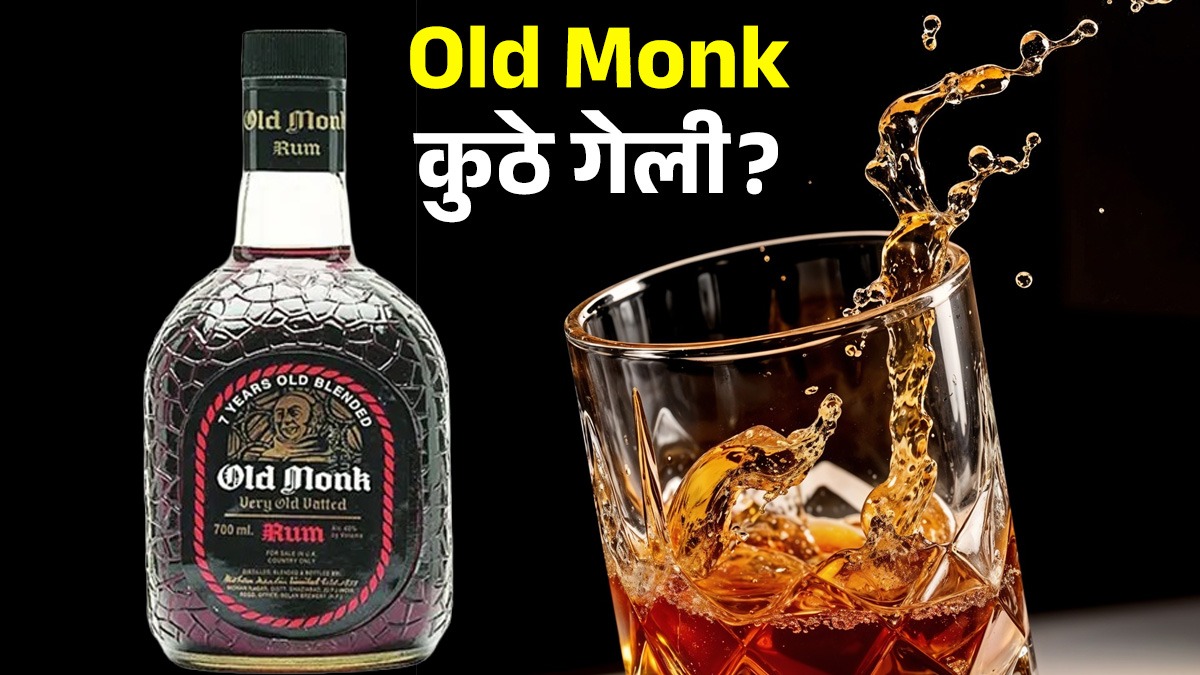
India’s Food Safety and Standards Authority (FSSAI) has barred specific batches of Old Monk, Royal Challenge, Bagpiper and Antiquity Blue for using artificial flavours, sparking a major stir among drinkers and the liquor industry. The move could cause significant market disruption and financial loss.
Key Takeaways
- FSSAI bans specific batches of Old Monk, Royal Challenge, Bagpiper and Antiquity Blue
- Artificial flavour use breaches natural ageing regulations
- Potential major financial hit for manufacturers and consumer backlash
The Food Safety and Standards Authority of India (FSSAI) announced that recent lab tests revealed artificial flavour additives in certain productions of Old Monk, Royal Challenge, Bagpiper and Antiquity Blue. These batches, originating from plants in Madhya Pradesh and Maharashtra, are now prohibited from sale.
Under Indian liquor law, spirits must be crafted from natural ingredients—such as malt, barley or grapes—and allowed to age naturally. The investigations showed companies were shortcutting this process by injecting synthetic flavours to mimic an aged profile, prompting swift regulatory action.
Historical Background
Since its launch in 1954, Old Monk has become an iconic Indian rum, beloved for its affordable price and distinctive taste. Royal Challenge and Bagpiper similarly carved strong niches among middle‑class consumers. The sudden ban threatens to erode the market share these legacy brands have built over decades.
Why This Matters
BozokMedia analysis shows that the crackdown could trigger stricter compliance across the entire Indian spirits sector, forcing manufacturers to invest in genuine aging processes rather than shortcuts. This shift may reshape pricing, supply chains, and consumer trust for years to come.
"The use of artificial flavours not only violates regulations but also deceives consumers about the true character of the spirit," says industry analyst R. Naidu.
Frequently Asked Questions
Q1: Are all Old Monk bottles now illegal?
A: No, the ban applies only to specific batches produced at the identified plants in Madhya Pradesh and Maharashtra.
Q2: What can consumers drink instead?
A: They can purchase verified batches of the same brands or switch to other certified Indian rum and whiskey labels.

