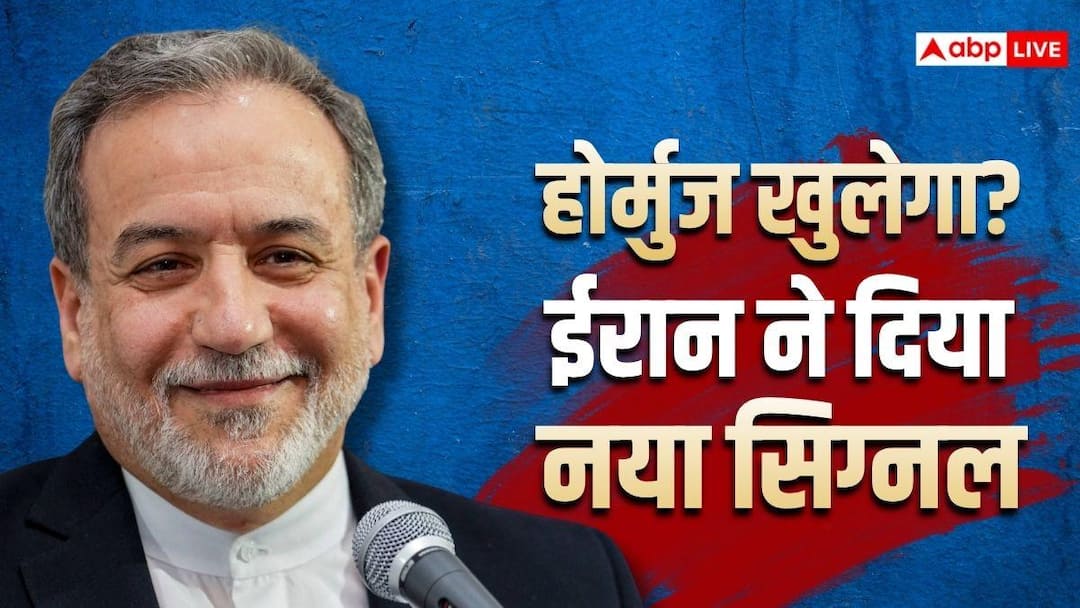
Iranian Foreign Minister Sayyed Abbas Araghchi announced that talks with Oman over the Hormuz Strait have entered their final stage. Both sides are working on a traffic‑separation scheme that could create a new, secure navigation lane while balancing sovereign rights and regional security.
Key Takeaways
- Oman‑Iran negotiations on Hormuz are in final stage
- New traffic‑separation scheme proposed to create a safe lane
- Goal: reduce regional tension and protect commercial shipping
Iran’s Foreign Minister Sayyed Abbas Araghchi told a cabinet meeting on 2 August 2026 that discussions with Oman over the Hormuz Strait have progressed to a concluding phase. The development follows months of diplomatic activity aimed at easing heightened tensions in the strategic waterway.
In a televised interview, Iranian Foreign Ministry spokesperson Ismail Baghaei clarified that any agreement will not simply open or close the strait; rather, it will ensure a navigation route that respects the sovereign rights of both nations while safeguarding Iran’s national interests and security.
Baghaei added that Oman and Iran are actively drafting a "traffic‑separation scheme" – a structured corridor that will separate commercial vessels from military activities, incorporate real‑time monitoring, and outline emergency response protocols.
Historical Background
The Hormuz Strait, a vital chokepoint for global oil shipments, has been a flashpoint for geopolitical rivalry. Between 2019 and 2021, U.S.–Iran tensions led to periodic vessel inspections and heightened naval presence. After the joint U.S.–Israel strike on Iranian facilities on 28 February 2026, Tehran reinforced its military posture in the strait, prompting a series of retaliatory missile and drone attacks on U.S. installations.
Why This Matters
BozokMedia analysis shows that a mutually accepted traffic‑separation scheme could de‑escalate one of the world’s most volatile choke points, safeguarding oil shipments worth billions of dollars and reducing the likelihood of accidental naval clashes.
"A clear navigation protocol, without infringing on either side’s sovereignty, can dramatically boost maritime security," says maritime‑security expert Dr. Rachel Porter.
Frequently Asked Questions
Q1: Will the new route comply with international maritime law?
A: Yes, the scheme is being drafted within the framework of UNCLOS (United Nations Convention on the Law of the Sea).
Q2: How will this agreement affect regional trade?
A: Analysts expect a more predictable shipping environment, which should bolster oil and commercial cargo flows and provide an economic uplift.