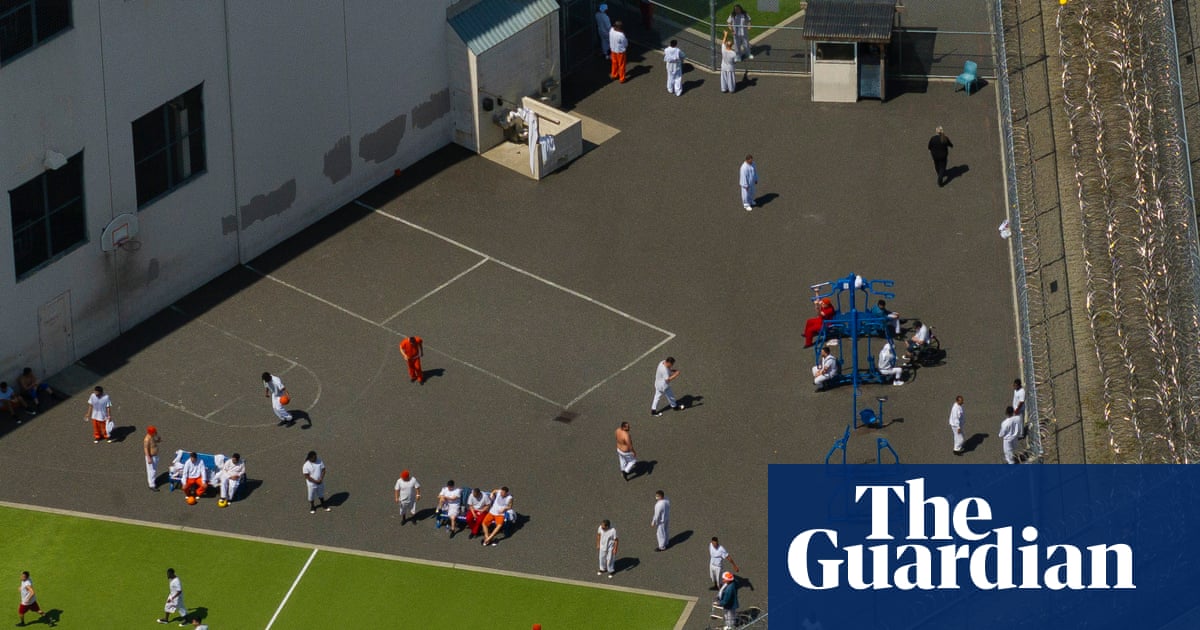
Under the Trump administration, ICE sought court orders to forcibly feed at least ten detainees on hunger strike, using force‑feeding, IV hydration and involuntary blood draws—practices labeled torture by rights groups. The secretive policy resurfaces as immigration arrests surge.
Key Takeaways
- ICE obtained court orders to forcibly treat at least 10 hunger‑striking detainees.
- Procedures included force‑feeding, intravenous hydration and involuntary blood draws, deemed torture.
- The practice dates back to the Biden era but expanded sharply after Trump’s 2025 return.
Immigrants in U.S. detention have increasingly resorted to hunger strikes to protest conditions and stalled legal cases. A Guardian investigation of hundreds of court filings reveals that the Trump‑era Department of Homeland Security (DHS) directed ICE to use court‑approved force‑feeding on at least ten strikers, a move human‑rights advocates call barbaric.
Documents show that at the privately‑run Port Isabel center in Texas, a Kurdish asylum seeker endured nearly eight months of forced feeding, while another detainee faced similar treatment for six months. At the Krome center in Miami, a detainee was subjected to forced medical procedures for three months, beginning days before Trump’s second‑term inauguration.
In five other cases across Texas, Arizona and Florida, hunger strikers abandoned their strikes just before the forced‑feeding protocols were to begin, highlighting the deterrent effect of the threat. Notably, in six of the reviewed cases, detainees had no legal representation during the court hearings that authorized the procedures.
Historical Background
The practice of forced medical intervention in ICE facilities predates Trump. During the Biden administration, at least ten hunger strikers were targeted, with two confirmed forced‑feeding incidents. The policy persisted across administrations, but the surge in immigration arrests after Trump’s 2025 return amplified its use.
Why This Matters
BozokMedia analysis shows that forced‑feeding in detention not only violates international human‑rights norms but also fuels anti‑immigrant sentiment, undermining the United States' reputation as a beacon of liberty.
“Force‑feeding is classified as torture under international law, and its use signals a grave erosion of due process,” says human‑rights scholar Dr. Linda Moringa.
Frequently Asked Questions
Q1: Is a court order required for ICE to force‑feed a detainee?
A1: Yes, without a judicial order, forced medical procedures are illegal under U.S. law.
Q2: Did the hunger strikers have legal counsel during these proceedings?
A2: In many cases, detainees were denied representation, raising serious due‑process concerns.