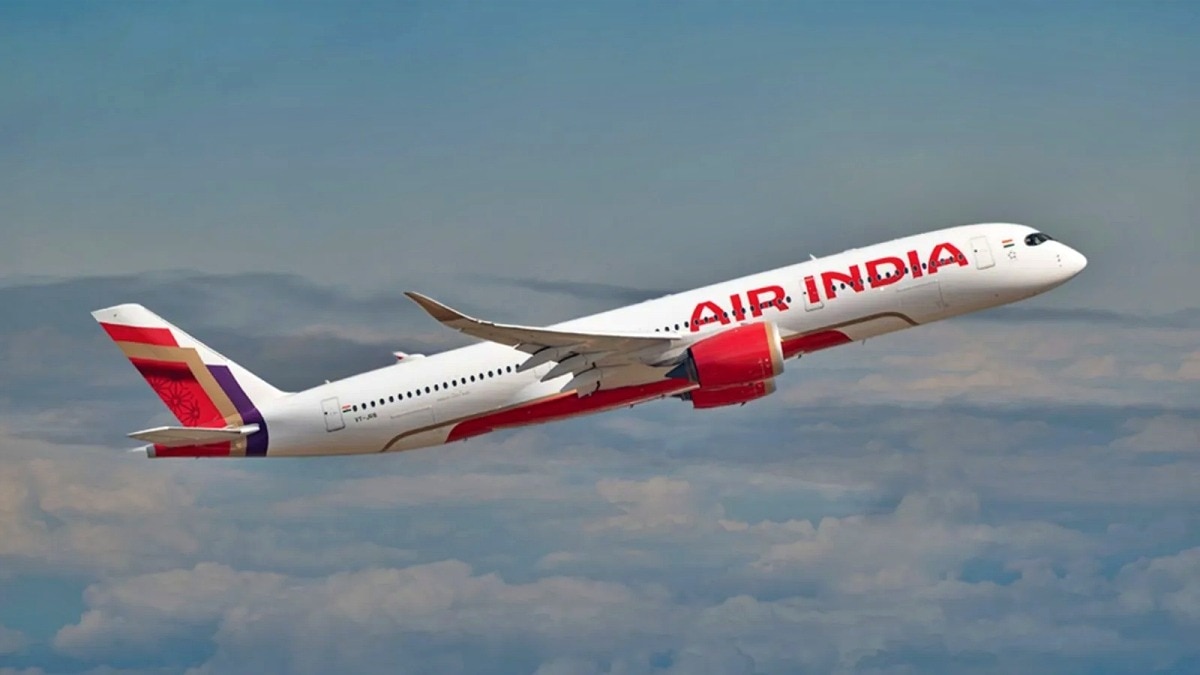
An Air India flight from Phuket to Delhi experienced a sudden altitude drop due to turbulence, injuring 12 passengers and crew. The incident highlights the growing danger of invisible 'Clear Air Turbulence'.
Key Takeaways
- Air India flight AI2379 from Phuket to Delhi hit sudden turbulence.
- At least 12 passengers and crew members sustained minor injuries.
- Clear Air Turbulence (CAT) occurs in cloud-free skies and is invisible to radar.
- Climate change is increasing the frequency of these high-altitude disruptions.
An Air India flight operating from Phuket to Delhi experienced a sudden and brief turbulence event on Tuesday, causing a sharp drop in altitude. The incident resulted in minor injuries to at least 12 passengers and crew members. While flight AI2379 landed safely in Delhi, the event has sparked renewed concerns regarding the unpredictable nature of atmospheric conditions.
Understanding Clear Air Turbulence (CAT)
Unlike standard turbulence often associated with visible storm clouds, Clear Air Turbulence (CAT) occurs in cloud-free skies. This makes it an invisible hazard that is virtually impossible for pilots to spot visually and extremely difficult for onboard weather radar to detect. It typically occurs at cruising altitudes between 30,000 and 40,000 feet, where wind shear near jet streams creates unstable pockets of air.
Why This Matters
BozokMedia analysis shows that the primary danger of CAT is the lack of warning. Because there are no visual cues like dark clouds, pilots often have zero lead time to alert passengers to fasten their seatbelts before the aircraft encounters a sudden jolt. This sudden movement can throw unbelted individuals into the cabin ceiling or floor, leading to fractures or head trauma.
The greatest risk during turbulence is not to the aircraft's structural integrity, but to the safety of unbelted passengers inside the cabin.
The Climate Change Connection
Climate scientists are increasingly linking the rise in turbulence intensity to global warming. As temperatures rise, atmospheric wind patterns are shifting, strengthening jet streams and creating more frequent instances of high-altitude instability along major international flight corridors.
Frequently Asked Questions
1. Why can't radar detect Clear Air Turbulence?
Radar relies on detecting moisture or particles (like clouds/rain); since CAT occurs in clear air, there is nothing for the radar to bounce off of.
2. How can I stay safe during a flight?
Always keep your seatbelt fastened whenever you are seated, even when the seatbelt sign is turned off.