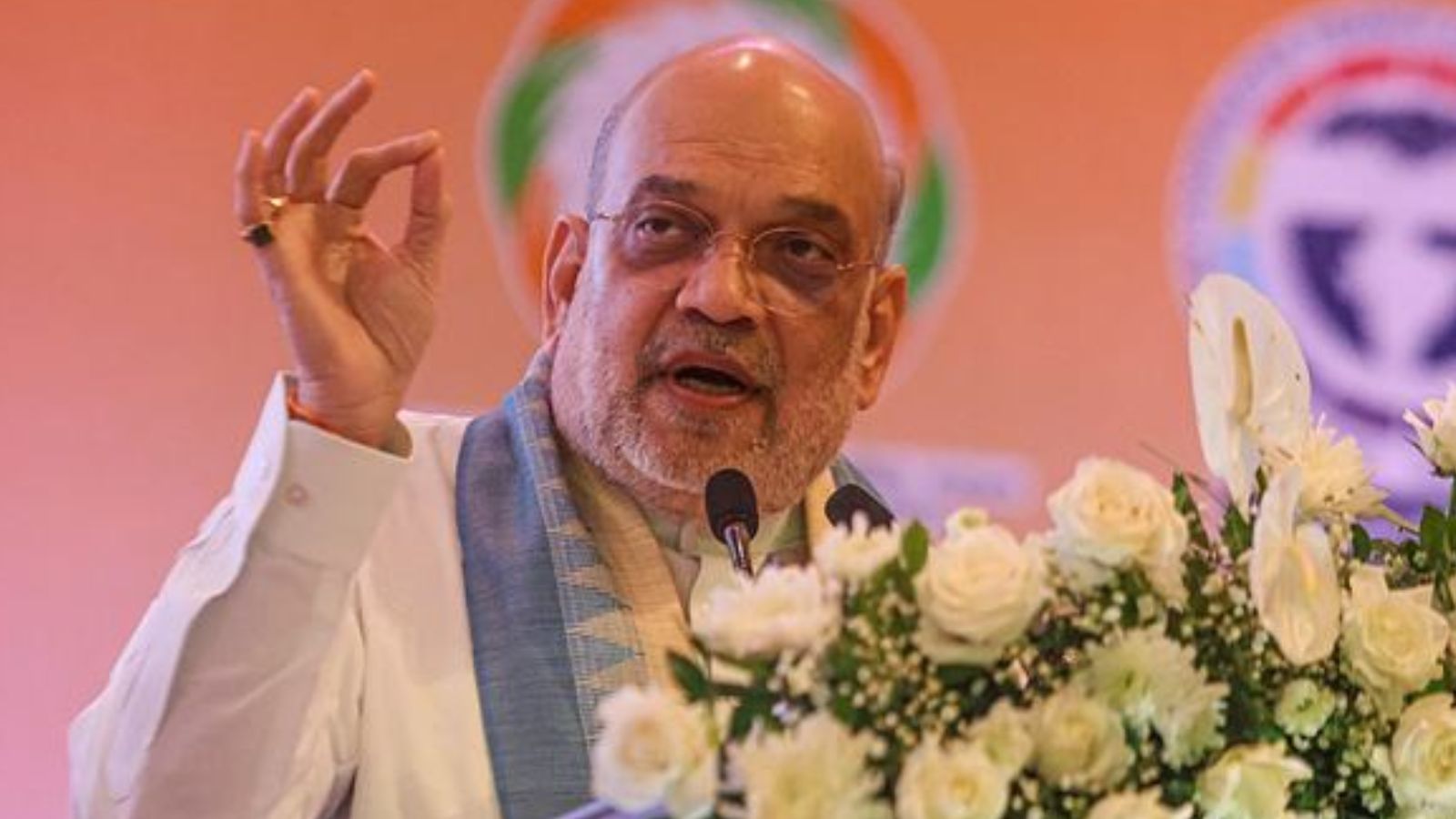
Chief Minister V.D. Satheesan has announced a pilot disaster resilience project in Pathanamthitta featuring advanced rain gauges and early warning mechanisms to combat recurring floods.
Key Takeaways
- A pilot disaster resilience system will be established in Pathanamthitta.
- Advanced early warning mechanisms will be developed with CUSAT and Hume Centre.
- ₹10,000 cash assistance will be provided to each flood-affected household.
- Focus will shift to desilting rivers to restore carrying capacity.
In a proactive move to combat the increasing frequency of extreme weather events, Kerala Chief Minister V.D. Satheesan announced on Tuesday that the state will establish a state-of-the-art disaster resilience system in Pathanamthitta on a pilot basis. This initiative aims to fortify the district's preparedness against the devastating floods that have plagued the region recently.
During a review of the ongoing flood relief operations, the Chief Minister detailed that the new system will integrate a dense network of rain gauges and an advanced early warning mechanism. This sophisticated technological framework will be developed in collaboration with renowned climate research institutions, including the Cochin University of Science and Technology (CUSAT) and the Hume Centre.
Why This Matters
BozokMedia analysis shows that the vulnerability of Kerala's terrain is escalating due to cloudbursts and unpredictable rainfall patterns. Mr. Satheesan highlighted that the window for safe evacuation is shrinking due to the intensity of these events. Furthermore, the declining carrying capacity of major rivers like the Pampa—clogged with silt and debris from the historic 2018 floods—has significantly exacerbated the current flooding crisis.
The challenge in Pathanamthitta is the increasing frequency of extreme rainfall events and cloudbursts, leaving minimal time for safe evacuation.
At present, approximately 64,000 people are being sheltered in 133 relief camps across the district. To ensure hygiene and health, medical teams from both government and private sectors are conducting regular checks, and disinfection kits will be provided to families returning to their homes. To ease the immediate financial burden, the government has pledged ₹10,000 in cash assistance to every flood-affected household for home restoration.
Historical Background
The 2018 Kerala floods served as a massive wake-up call for the state's disaster management protocols. Since then, the accumulation of silt and sand in riverbeds has remained a critical issue, reducing the natural ability of rivers to manage high-volume water discharge during monsoons.
Frequently Asked Questions
1. Which institutions are assisting in the development of the warning system?
The government is partnering with CUSAT and the Hume Centre for climate research and technology.
2. What financial aid is being offered to victims?
Each flood-affected household will receive ₹10,000 to assist with cleaning and repairing their homes.