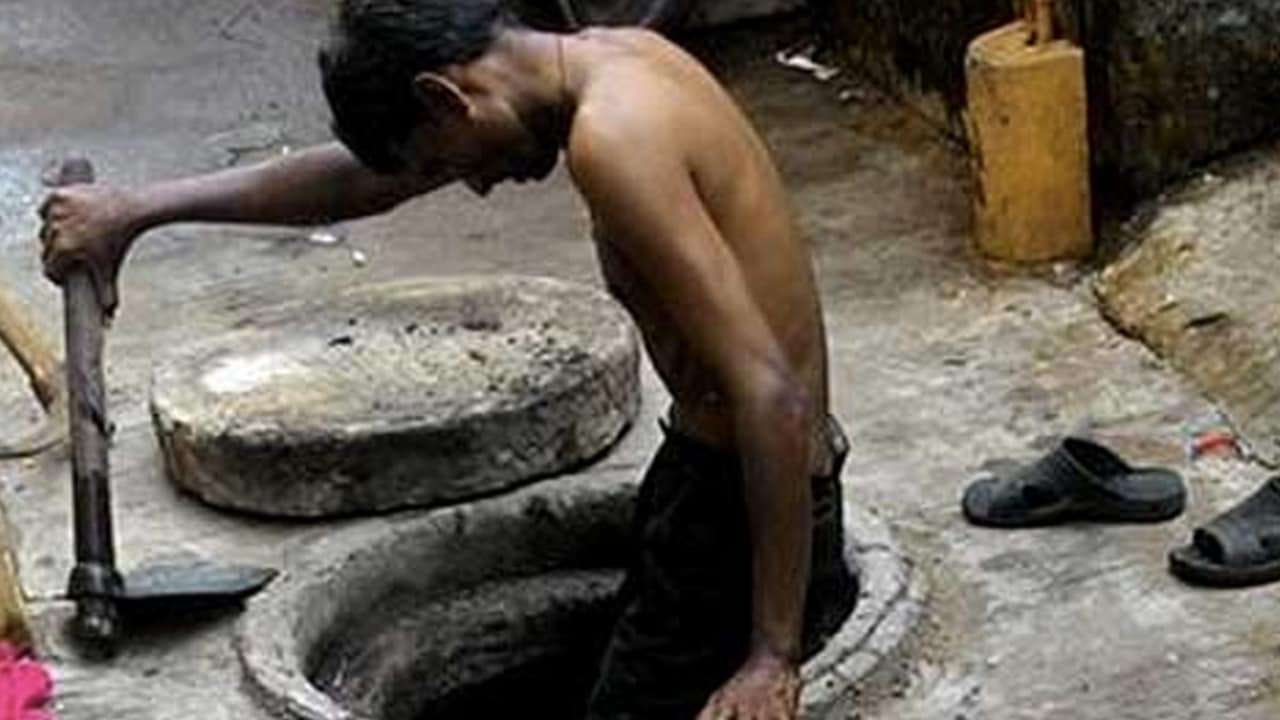
Government data presented in the Lok Sabha reveals that 498 workers lost their lives cleaning sewers and septic tanks between 2019 and 2026. Despite the fatalities, the Centre maintains that no deaths were caused by manual scavenging.
Key Takeaways
- 498 workers died during sewer and septic tank cleaning since Jan 2019.
- Data was officially presented in the Lok Sabha.
- The government distinguishes these deaths from 'manual scavenging'.
In a startling revelation, government data placed before the Lok Sabha has confirmed that 498 workers died while performing cleaning duties in sewers and septic tanks. The period covered by these statistics spans from January 1, 2019, to June 30, 2026.
The Definition Debate
While the numbers are grim, the central government has made a significant distinction in its reporting. The government stated that "No death has been reported due to manual scavenging," effectively separating these fatalities from the illegal practice of manual scavenging, despite the overlapping nature of the work environments.
Why This Matters
BozokMedia analysis shows that this distinction is crucial for legal and policy implications. By categorizing these as sewer cleaning deaths rather than manual scavenging, the government navigates complex legal obligations regarding the eradication of the practice, even as the safety risks remain identical for the workers involved.
The gap between official definitions and ground reality often masks the systemic failure to provide mechanized cleaning solutions.
Historical Background: For decades, India has struggled with the eradication of manual scavenging. Despite various Supreme Court rulings and the Prohibition of Employment as Manual Scavengers Act, workers continue to face lethal environments in urban sewage systems.
Frequently Asked Questions
Q1: What is the official stance on manual scavenging?
The government maintains that while deaths occurred during cleaning, they were not categorized as manual scavenging deaths.
Q2: How many deaths were recorded?
A total of 498 deaths were recorded between January 2019 and June 2026.