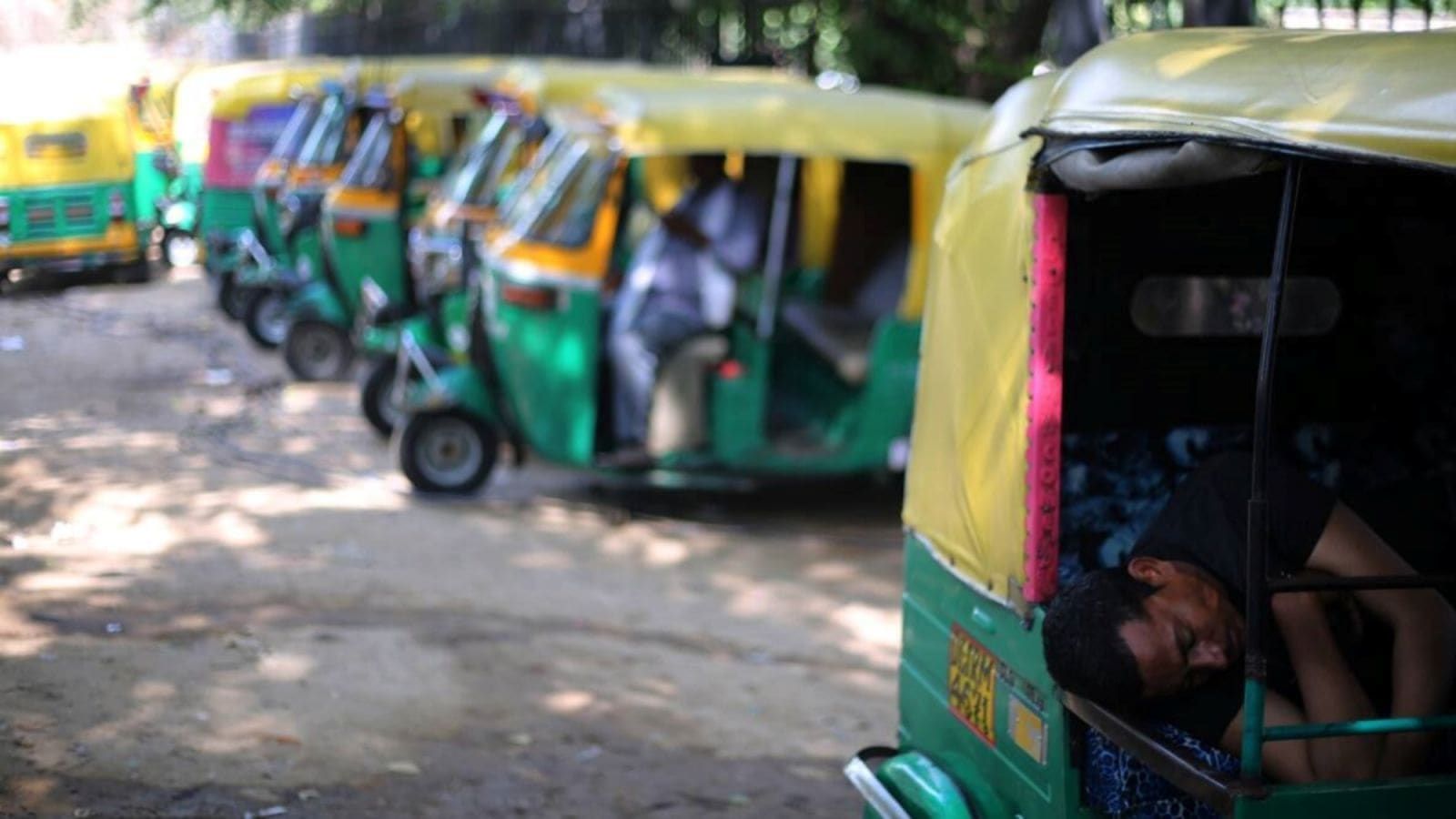
Commuters in Pune will face higher costs for auto-rickshaw rides starting September 1. The Regional Transport Authority has approved a hike in both minimum and per-kilometer fares.
Key Takeaways
- The minimum fare for the first 1.5 km will increase from ₹25 to ₹30.
- The rate per additional kilometer will rise from ₹17 to ₹20.
- The decision follows rising CNG costs and increased maintenance expenses.
Public transport in Pune is set for a price adjustment. The Regional Transport Authority (RTA), chaired by the district collector, has officially approved a revision in the autorickshaw fare structure, effective from September 1.
Breakdown of the New Fare Structure
Under the newly approved rates, the minimum fare for the initial 1.5 km stretch will jump from ₹25 to ₹30. For every subsequent kilometer traveled, passengers will now be charged ₹20, up from the previous rate of ₹17.
Drivers' Perspective: The Cost of Running
Autorickshaw unions have been vocal about the need for this revision. Shafique Patel, President of the Azad Rickshaw Chalak Sanghatana, highlighted that fares had remained stagnant since August 2022. He pointed out that CNG prices have climbed from approximately ₹91 per kg in 2022 to roughly ₹96 per kg today, alongside rising vehicle maintenance costs.
The hike is a direct response to the inflationary pressure on fuel and operational overheads faced by drivers.
BozokMedia analysis shows that while the hike addresses driver grievances, it has sparked significant anxiety among daily commuters. Residents have expressed fears regarding the lack of transparency and the persistent issue of drivers overcharging beyond the meter.
Comparison: Old vs. New Fares
| Service Detail | Old Fare | New Fare (From Sept 1) |
|---|---|---|
| Minimum Fare (First 1.5 km) | ₹25 | ₹30 |
| Additional Per Km Rate | ₹17 | ₹20 |
Frequently Asked Questions
1. When will the new rates be implemented?
The revised fares will come into effect on September 1.
2. How can commuters prevent overcharging?
Commuters are advised to ensure meters are recalibrated and to report any discrepancies to the RTO.