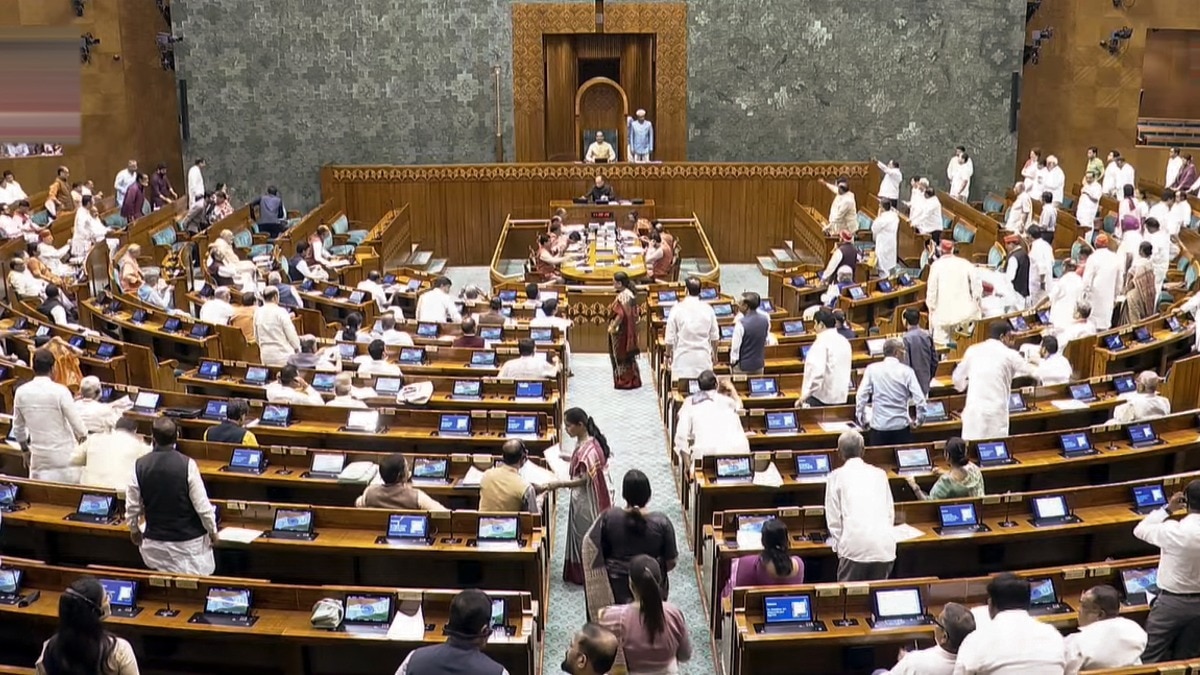
The Indian Parliament's monsoon session sees a heated standoff as opposition MPs demand answers from Home Minister Amit Shah on alleged pellet‑gun use against student protesters. The debate also revives concerns over the Ram Temple donation controversy.
Key Takeaways
- Amit Shah faces intense questioning over pellet‑gun usage
- Opposition calls for a full parliamentary debate
- Bill to increase SC judges’ strength moves to Rajya Sabha
Current Session Landscape
On Day 13 of the monsoon session, both the Lok Sabha and Rajya Sabha are witnessing relentless opposition protests, centered on the alleged deployment of pellet guns against students at Jantar Mantar. Congress president Mallikarjun Kharge accused Prime Minister Narendra Modi and Home Minister Amit Shah of evading answers on the Ram Temple donation theft and police action, demanding a joint discussion in both houses.
Government Response
Union ministers including Kiren Rijiju, Nirmala Sitharaman and Jitendra Singh are slated to address the houses on various legislative agendas. However, they have yet to issue a specific statement on the pellet‑gun controversy, fuelling further opposition unrest.
Why This Matters
BozokMedia analysis shows that such confrontations not only test parliamentary transparency but also raise fundamental questions about public safety versus civil liberties. The use of non‑lethal crowd‑control weapons like pellet guns is becoming a focal point for policy debates that could reshape future law‑making.
"The deployment of pellet guns raises serious human‑rights concerns, and Parliament must establish clear guidelines," says human‑rights scholar Dr. Rajat Singh.
Frequently Asked Questions
Q1: Is there a specific bill proposed to regulate pellet‑gun usage?
A: No dedicated legislation has been introduced yet, but the opposition has demanded a parliamentary committee to investigate.
Q2: When will the Supreme Court Judges Amendment Bill be passed?
A: The bill cleared the Lok Sabha and is now pending in the Rajya Sabha; it will require presidential assent after passage.