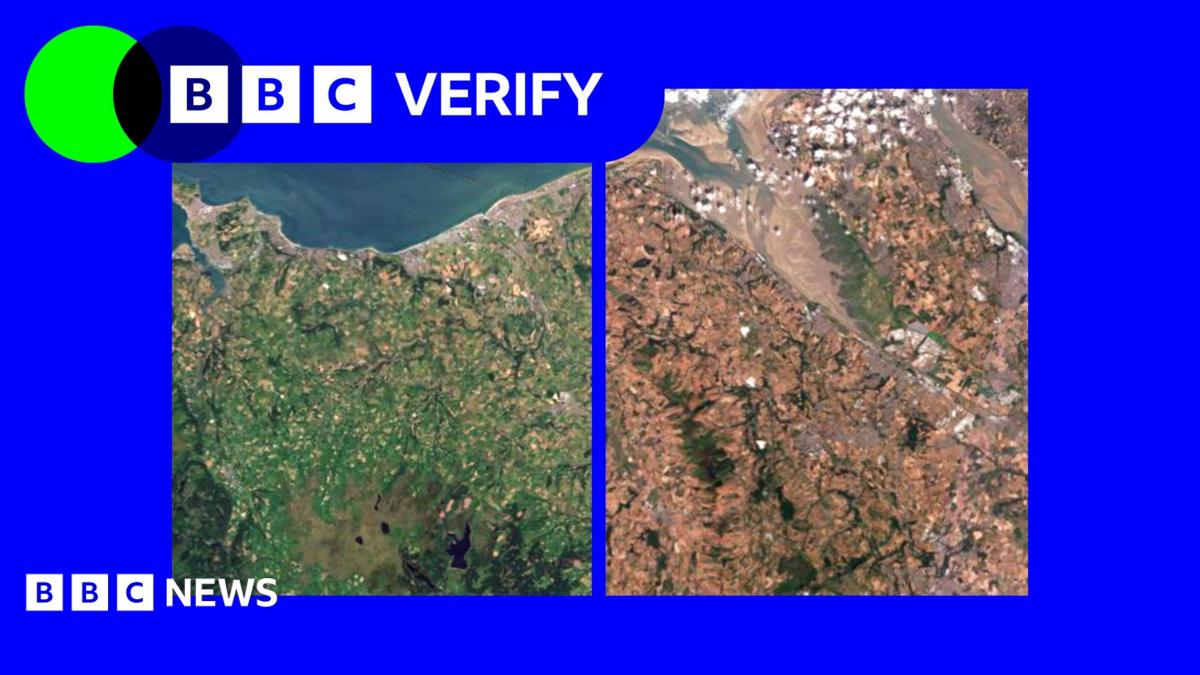
Satellite data shows that the extreme heat and lack of rain in 2026 have caused widespread vegetation stress across the UK. The changes threaten agriculture, water supplies, and ecosystems, raising urgent concerns for policymakers.
Key Takeaways
- 2026 heatwaves and drought have intensified vegetation stress in many UK regions
- NDVI analysis reveals a sharp decline in greenness from May to July
- Long‑term implications for water resources and food production are evident
BBC Verify’s satellite analysis demonstrates that this year’s prolonged summer heat has taken a heavy toll on the UK landscape. Record‑high temperatures combined with near‑zero rainfall have triggered “vegetation stress,” hampering the growth of plants, grasses, and crops.
Using the Normalised Difference Vegetation Index (NDVI), scientists compared imagery from May and July, uncovering a stark drop in greenness. The most affected counties include Conwy, Flintshire, Denbighshire, and Merseyside, where once‑lush fields now appear in light‑brown tones, indicating severe stress.
Historical Background
The UK has faced notable droughts before, most famously the 1976 “Great Drought” and the series of hot summers between 2003‑2006. However, the 2026 episode unfolded rapidly; early‑spring river flows, soil moisture, and reservoir levels were normal or above average, only to plunge as the summer progressed, highlighting a new volatility in climate patterns.
Why This Matters
BozokMedia analysis shows that sustained heat and dwindling rainfall will strain agricultural output, drive up food prices, and pressure water‑management systems. Experts warn that without adaptive strategies, the UK’s food security and ecosystem resilience could be compromised.
Dr. Jess Neumann, University of Reading: "The extensive dry grass across parks, lawns, and gardens this year is unprecedented for the UK, signalling a shift in how our native vegetation copes with extreme heat."
Comparison Table
| Region | May NDVI | July NDVI | Change |
|---|---|---|---|
| Conwy | 0.68 | 0.45 | -33% |
| Flintshire | 0.72 | 0.48 | -33% |
| Denbighshire | 0.70 | 0.46 | -34% |
| Merseyside | 0.66 | 0.44 | -33% |
Frequently Asked Questions
Q1: Will the drought affect upcoming crop yields?
A: Experts predict lower yields due to reduced water availability, which could raise food prices across supermarkets.
Q2: Which regions should prioritize water conservation?
A: Southeast England, with its reliance on groundwater, is advised to implement stricter water‑use restrictions.