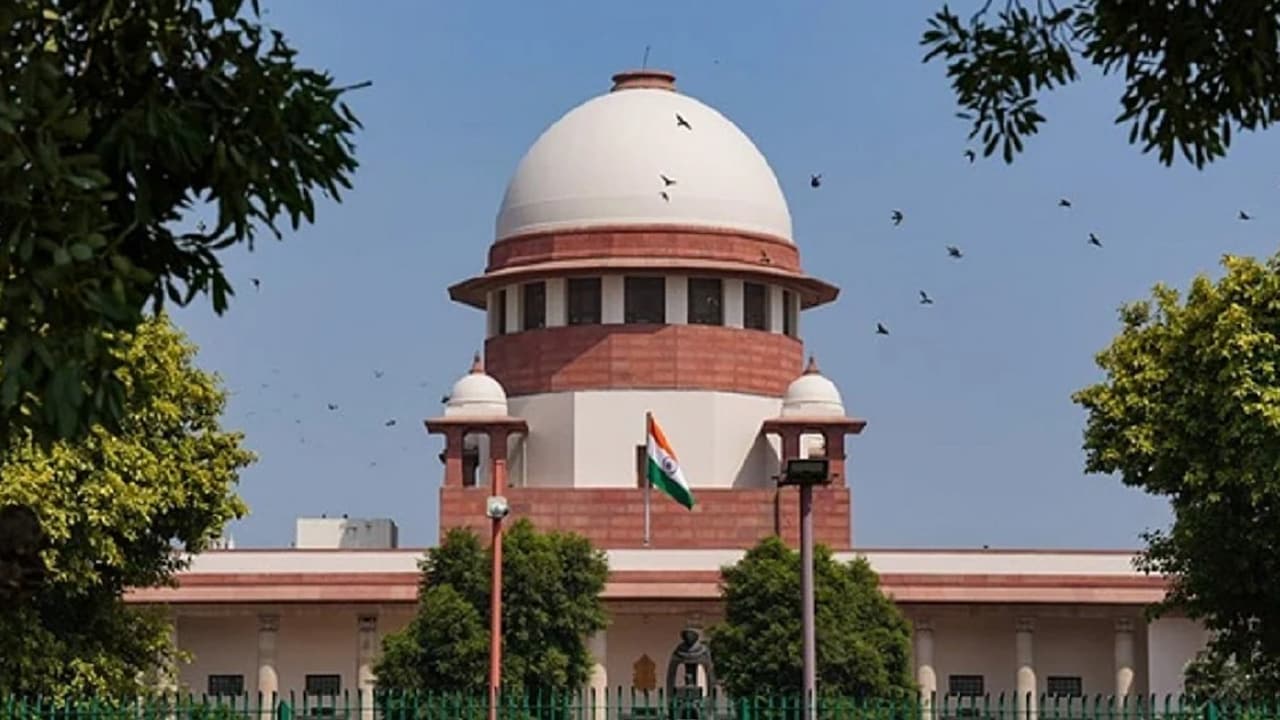
The Supreme Court has acquitted a man convicted in a 2004 triple murder case in Odisha, highlighting severe investigative flaws and the tragic loss of two decades of his life.
Key Takeaways
- The Supreme Court acquitted a convict in a 2004 triple murder case from Odisha's Koraput district.
- The Court highlighted significant flaws and lapses in the original police investigation.
- The individual spent 22 years in prison before being exonerated.
In a significant ruling, the Supreme Court of India has acquitted a man who had been convicted in a 2004 murder case involving the deaths of three women—Kamala, Sonbari, and Ratnai—in the Koraput district of Odisha. The apex court expressed profound concern over the fact that the individual had lost 22 years of his life due to a flawed judicial process.
Flaws in the Investigation
During the proceedings, the top court pointed out several critical deficiencies in the investigation conducted by the state authorities. The court observed that the prosecution failed to establish a foolproof chain of evidence, noting that the conviction was based on shaky grounds. The Supreme Court emphasized that a person's liberty cannot be curtailed based on mere suspicion or poorly conducted investigations.
Why This Matters
BozokMedia analysis shows that this case serves as a stark reminder of the systemic delays and investigative failures that plague the criminal justice system. When investigations are marred by errors, it leads to a catastrophic failure of justice, where the innocent pay the ultimate price with their time and freedom.
"Justice delayed is justice denied, especially when an innocent individual is forced to spend decades behind bars due to investigative negligence."
Historical Background: The case dates back to 2004, following the tragic murders of three women in Odisha. For over two decades, the legal battle continued, eventually reaching the highest court, which ultimately found the evidence insufficient to sustain the conviction.
Frequently Asked Questions
1. What was the basis for the Supreme Court's acquittal?
The acquittal was based on significant flaws in the investigation and a lack of conclusive evidence.
2. Where did the original crime take place?
The incident occurred in the Koraput district of Odisha in 2004.