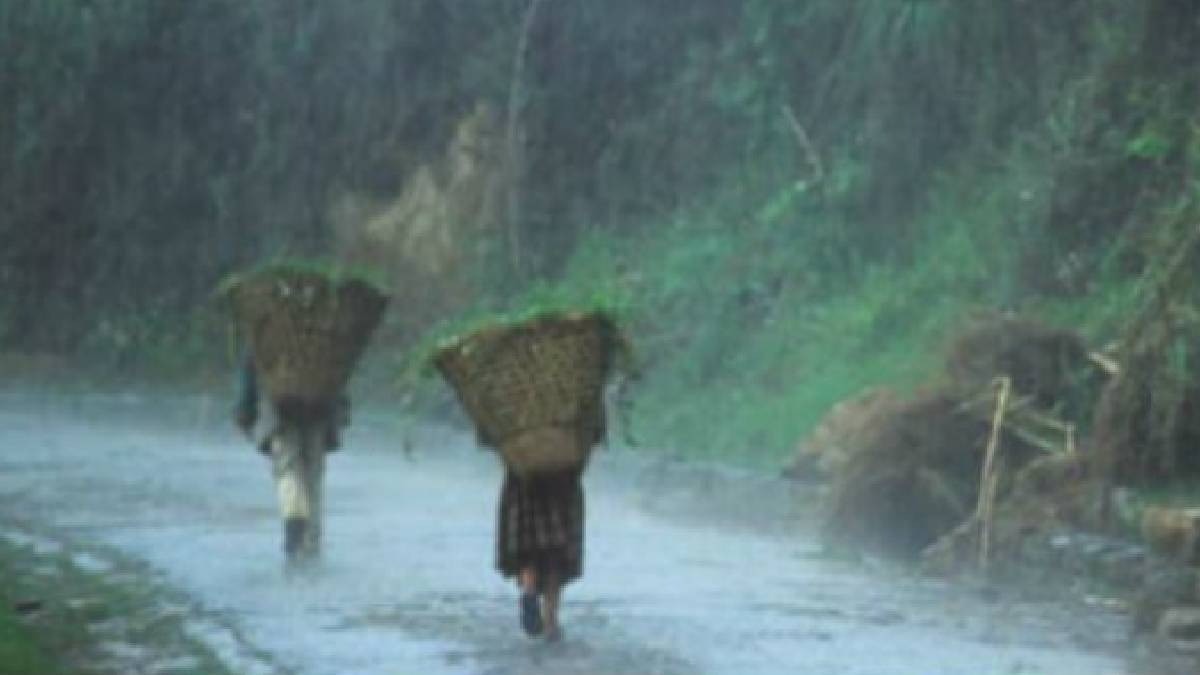
The United Nations World Food Programme (WFP) warns that the strongest El Niño on record could drive an additional 49 million people into acute hunger. Diminished monsoon rains across South Asia and fragile war‑torn economies amplify the crisis.
Key Takeaways
- Record-breaking El Niño threatens 49 million people with acute hunger
- Reduced monsoon rains in India risk major crop losses
- UN calls for rapid international aid to avert a humanitarian disaster
The United Nations World Food Programme (WFP) has issued a stark warning that this year's unprecedentedly strong El Niño could push an extra 49 million individuals into acute hunger. The forecast underscores the growing impact of climate anomalies on global food security.
El Niño, driven by unusually warm Pacific Ocean waters, has reached historic intensity this season. In South Asia, especially India, the weakened monsoon is expected to curtail rainfall, jeopardizing staple crops such as rice, wheat, and maize.
Historical Background: Past strong El Niño events have repeatedly disrupted food supplies worldwide. The 1997‑98 El Niño triggered severe droughts across Asia, leaving millions hungry. Climate change is now amplifying both the frequency and severity of such events.
Why This Matters
BozokMedia analysis shows that without swift coordinated aid, the ripple effects could include economic instability, social unrest, and heightened refugee flows, especially in war‑affected regions already struggling with food scarcity.
"Mitigating the climate‑driven risk of El Niño requires immediate global cooperation and targeted humanitarian assistance," says Dr. Anil Patel, climate‑policy specialist.
Frequently Asked Questions
Question 1: How will El Niño affect crop yields in India?
Answer: Reduced monsoon rainfall could lower rice and wheat outputs by 20‑30%, intensifying food insecurity.
Question 2: What steps are international actors taking to address the crisis?
Answer: Several nations have pledged additional funding to WFP, while NGOs are scaling up on‑ground food distribution and nutrition programs.