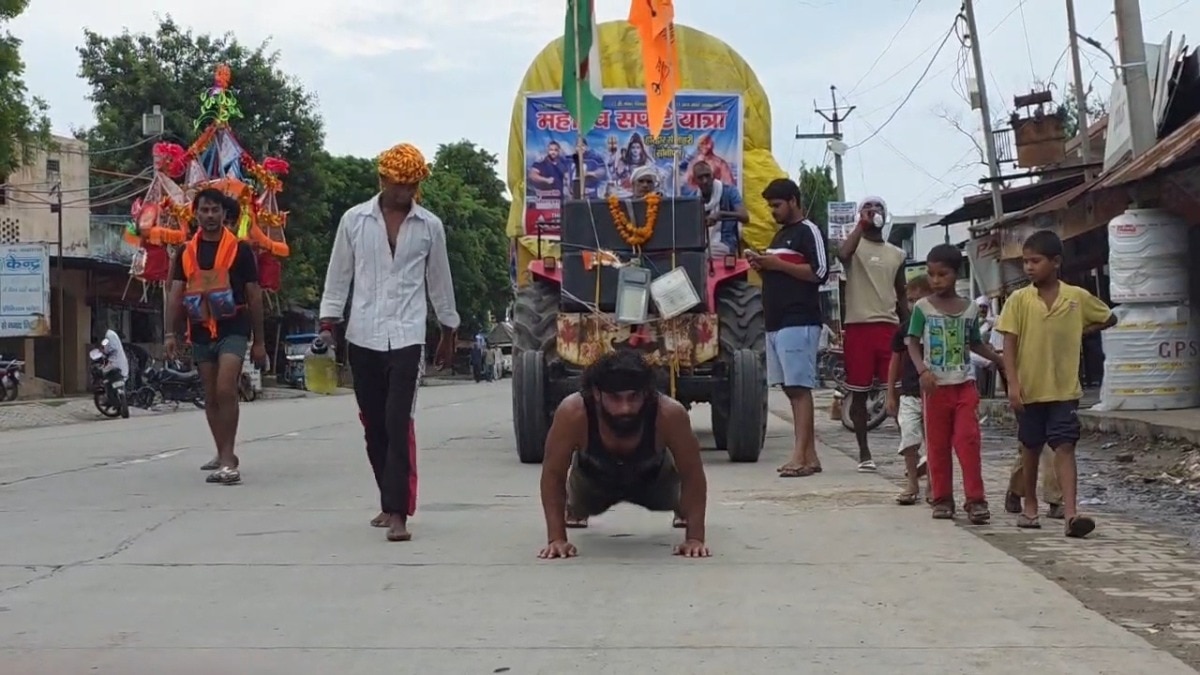
Guided by the chant “Har‑Har Mahadev,” devotees trekked 200 km from Haridwar to Haryana, striking 3,500 sticks each day. The pilgrimage tested both spiritual devotion and physical endurance.
Key Takeaways
- 200‑km Kavad Yatra from Haridwar to Haryana
- Daily strike of 3,500 sticks (sapate)
- Demonstrated remarkable physical and spiritual resilience
Kick‑off of the Journey
The Kavad Yatra began on March 5 with a thunderous “Har‑Har Mahadev” chant at Haridwar. Around 1,200 pilgrims—including youth, seniors, and women—took up the traditional Kavad, vowing to cover the 200‑km stretch.
The 3,500 Sticks Challenge
Each leg required participants to strike 3,500 sticks, a ritual that amplifies devotional energy while testing stamina. Local historian Dr. Rajesh Kumar described it as “a symbol of disciplined devotion.”
Historical Background
The Kavad pilgrimage dates back to the 12th century, when devotees began transporting Ganges water to distant villages. Over centuries, it evolved into a hallmark of religious fervor and communal solidarity.
Why This Matters
BozokMedia analysis shows that such mass pilgrimages boost regional tourism, generate local employment, and reinforce cultural heritage, making them crucial for both spiritual and economic landscapes.
"The Kavad Yatra not only showcases spiritual vigor, it also energizes the local economy," noted historian Dr. Anjali Verma.
Frequently Asked Questions
Q1: Is there an age limit for participants?
A: There is no strict age limit, but children under 12 must be accompanied by an adult.
Q2: How are water and food arranged during the trek?
A: Local volunteers and government agencies set up water stations and canteens every 20 km.