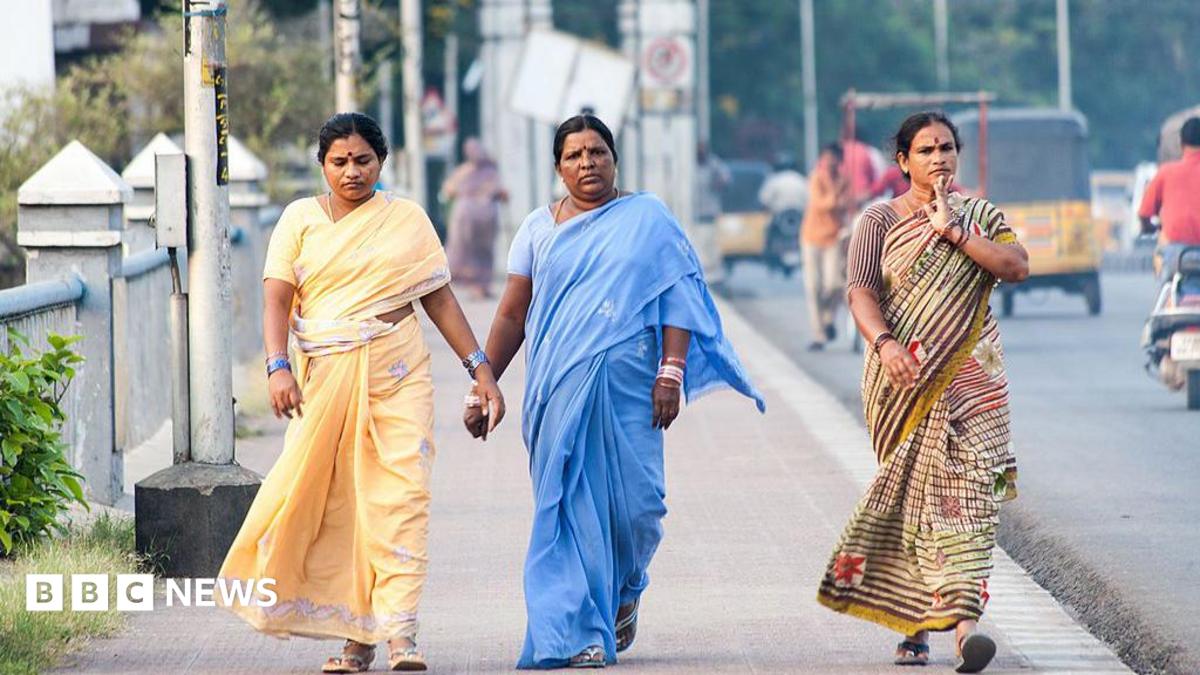
In a landmark move, India's Supreme Court has ruled that walking safely on designated footpaths is a fundamental right, addressing decades of urban neglect.
Key Takeaways
- The Supreme Court declared safe walking on footpaths as a fundamental right.
- Approximately 45 million Indians walk to work every day.
- Walking accounts for 63% of all urban journeys in selected cities.
- Pedestrians face disproportionately high risks in road accidents.
For decades, navigating Indian cities has felt less like a commute and more like an obstacle course. From the encroachment-heavy pavements of Kolkata to the vehicle-dominated roads of Delhi, the pedestrian has been pushed to the absolute margins of urban life.
A Judicial Landmark for Human Rights
In a significant intervention, the Supreme Court of India declared in June that the right to walk safely on designated footpaths is a fundamental right. Justice PS Narasimha noted that walking is "the simplest of the simple human activity, inextricably connected to life." The court emphasized that the right to walk must override the privilege of motorized vehicles.
Why This Matters
BozokMedia analysis shows that India is, fundamentally, a nation of walkers. While cars often dominate the political and planning discourse, nearly 45 million people walk to work daily—outnumbering private vehicle commuters by nearly nine to one. Walking is the most democratic form of transport, yet it remains the most neglected.
"The fundamental right to walk on demarcated footpaths shall override the privilege of a motorised vehicle." - Justice PS Narasimha
The neglect is not just an inconvenience; it is a matter of life and death. Poorly maintained, narrow, or blocked footpaths force pedestrians into hazardous interactions with high-speed traffic.
Historical Context and Data
Urban planning in India has historically prioritized expressways and flyovers over human-centric design. A 2011 study highlighted the systemic failure of street infrastructure for pedestrians. Furthermore, the Clean Air Initiative for Asian Cities (CAI-Asia) gave Indian cities a median walkability score of just 47 out of 100.
| Metric | Pedestrians | Private Vehicle Users |
|---|---|---|
| Daily Commuters (Est.) | ~45 Million | ~5.4 Million |
| Share of Urban Journeys | 63% | Low |
| Infrastructure Priority | Very Low | Very High |
The economic cost is also staggering. According to World Bank studies, road crashes cost India an estimated 3-5% of its GDP annually through lost productivity and healthcare expenses.
Frequently Asked Questions (FAQ)
1. What did the Supreme Court rule regarding pedestrians?
The Court ruled that walking safely on designated footpaths is a fundamental right that takes precedence over the convenience of motorized vehicles.
2. Why is walkability low in Indian cities?
Low walkability is due to poor governance, encroachment by vendors and vehicles, broken infrastructure, and urban planning that prioritizes cars over people.