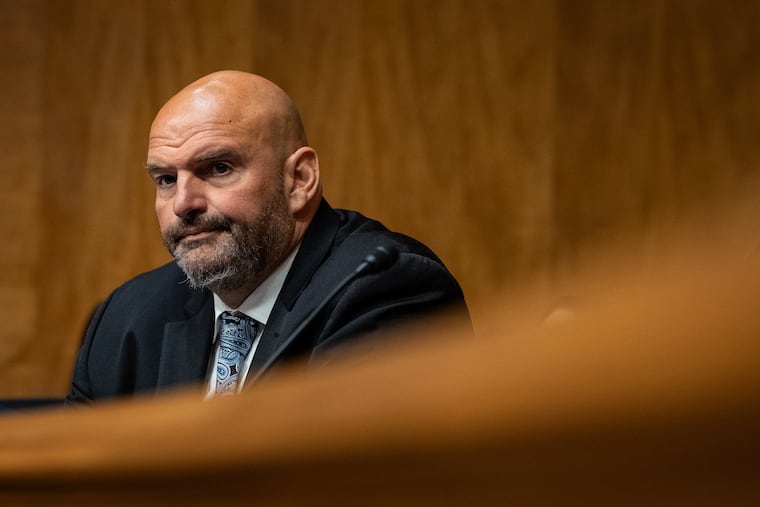
U.S. Senator John Fetterman faced relentless probing from Jon Stewart over his unwavering support for Israel, highlighting deep rifts within the Democratic Party. The interview underscores strategic tensions ahead of upcoming elections.
Key Takeaways
- Fetterman remains firm on backing Israel despite criticism from his own party
- Stewart accuses him of playing into Republican caricatures
- The exchange reveals internal Democratic strategy battles ahead of 2028 elections
U.S. Senator John Fetterman (D‑Pa.) was grilled by Jon Stewart on the podcast “The Weekly Show with Jon Stewart,” defending his staunch support for Israel while Stewart labeled his stance as a “Republican caricature.”
Historical Background
U.S.–Israel relations have long been a cornerstone of American foreign policy, but the Hamas attack on October 7, 2023, intensified debate within the Democratic Party. While many Democrats condemned Israeli strikes on Gaza, Fetterman adhered to a traditional pro‑Israel line.
Why This Matters
BozokMedia analysis shows that Fetterman's unwavering position could reshape Democratic electoral calculus, especially in swing states like Pennsylvania, by alienating progressive voters while appealing to centrist constituencies.
"Fetterman's stance is a strategic gamble that may either consolidate a moderate base or deepen the party's ideological divide," notes political analyst Dr. Anita Singh.
Comparison Table
| Senator/Representative | Israel Stance | Party Reaction |
|---|---|---|
| John Fetterman | Strong support, focus on Hamas leadership | Mixed – some progressive backlash |
| Bernie Sanders | Calls for restraint and humanitarian aid | Broad progressive endorsement |
| Alexandria Ocasio‑Cortez | Criticizes Israeli military actions | Strong support from left wing |
Frequently Asked Questions
Question 1: What specific actions has Fetterman advocated for in support of Israel?
Answer: He has called for continued military aid and targeted actions against Hamas leaders, while acknowledging civilian casualties as “collateral damage.”
Question 2: How might this interview affect the Democratic Party’s outlook?
Answer: It could force a reevaluation of the party’s foreign‑policy messaging and election strategy, particularly in battleground states where voter sentiment on Israel is a pivotal issue.

