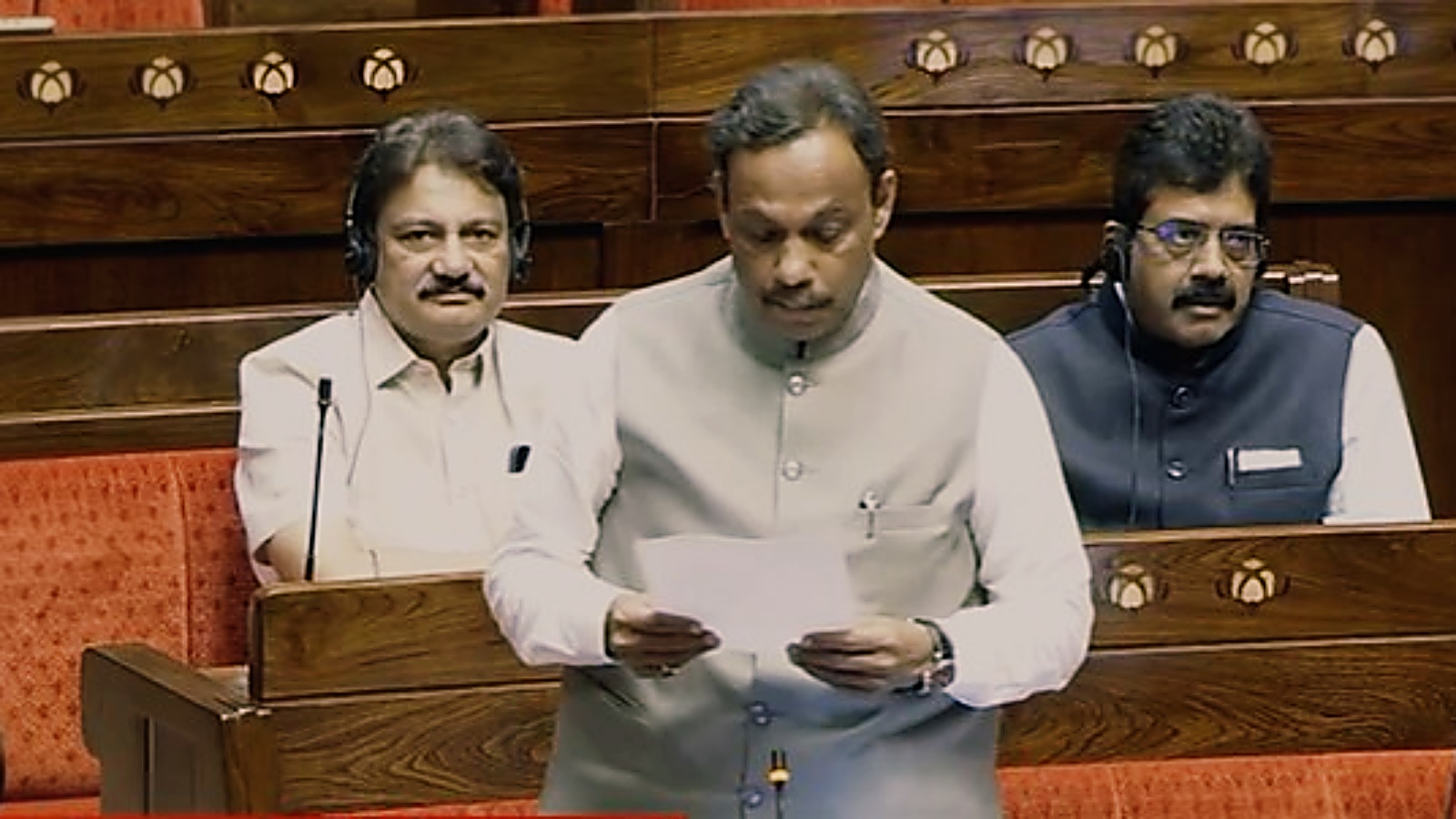
BJP National General Secretary and Rajya Sabha MP Vinod Tawde has urged the Indian government to strengthen skin donation and banking systems. Drawing from his personal experience after his mother's passing, Tawde highlighted how skin donation can save severe burn victims and called for an integrated national retrieval network.
Key Takeaways
- Skin can be donated within 6 hours of death and preserved for up to 5 years.
- No blood group or tissue matching is required for skin donation.
- MP Vinod Tawde raised this crucial healthcare reform in Parliament following his personal loss.
In the ongoing Parliament Monsoon Session, BJP National General Secretary and Rajya Sabha MP Vinod Shridhar Tawde urged the government to strengthen the country’s skin donation and skin banking systems. This initiative aims to drastically improve medical treatment for patients suffering from severe and life-threatening burn injuries across India. Tawde brought this sensitive yet vital issue to the floor of the Upper House, sharing a deeply personal story.
Raising the issue during a parliamentary discussion, Tawde stated that his experience following his mother's death made him realize the profound importance of skin donation. "This is a topic which I realized when my mother passed away. I want to urge the government to strengthen skin donation and skin banking systems to improve treatment," he told the House, advocating for a more robust national framework.
Historical Background
Historically, organ donation in India has largely focused on solid organs like kidneys, livers, and hearts, alongside eye donations. Skin donation, however, has remained a highly neglected area due to cultural taboos, lack of public awareness, and a severe shortage of specialized skin banks. While the Transplantation of Human Organs and Tissues Act, 1994 legally covers skin donation, the infrastructure has not kept pace with the high volume of burn casualties in India. Skin acts as a temporary protective barrier, preventing fatal infections and fluid loss in burn victims until permanent grafting can be performed.
| Parameter | Skin Donation | Solid Organ Donation (Kidney/Heart) |
|---|---|---|
| Time Limit After Death | Within 6 hours | Immediate (Brain Death Only) |
| Storage Duration | Up to 5 years | A few hours |
| Matching Requirements | No matching required | Strict HLA & Blood Group matching |
Why This Matters
BozokMedia analysis shows that India faces an acute shortage of skin banks, with only a fraction of burn victims receiving timely allografts. Strengthening this infrastructure and creating an integrated national system for skin retrieval and transportation could reduce mortality rates in severe burn cases by up to 40%. Tawde appreciated the government’s ongoing efforts through the National Organ and Tissue Transplant Organisation (NOTTO) but emphasized that expanding public awareness is the key to bridging the massive demand-supply gap.
"Skin donation is one of the most underutilized lifesavers in modern medicine; raising awareness can bridge the massive gap between burn casualties and survival rates." - Medical Policy Analyst
Frequently Asked Questions
Q1: How long after death can skin be donated?
Answer: Skin must be harvested within 6 hours of death. Once retrieved, it can be safely preserved in skin banks for up to 5 years.
Q2: Does skin donation require blood group matching?
Answer: No, skin donation does not require any blood group or tissue matching, making it highly versatile and immediately usable for any burn patient in need.