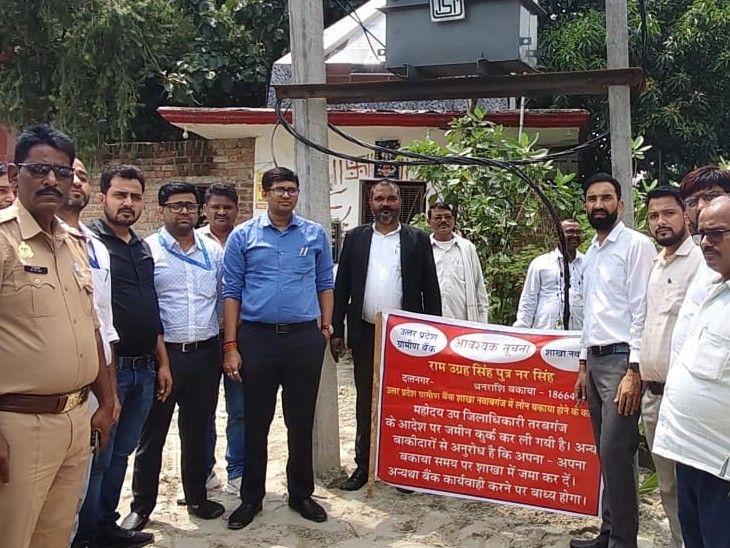
In a major crackdown on loan defaulters, UP Gramin Bank, in coordination with the revenue department, has attached several bighas of land belonging to 11 KCC defaulters in Gonda's Nawabganj region.
Key Takeaways
- UP Gramin Bank conducted a large-scale land attachment drive in Nawabganj, Gonda.
- 11 defaulters of the Kisan Credit Card (KCC) scheme had their properties attached.
- The operation was carried out with the support of the Revenue Department and local police.
Gonda, Uttar Pradesh: In a decisive move to recover outstanding dues, the Uttar Pradesh Gramin Bank has executed a major land attachment operation against Kisan Credit Card (KCC) defaulters in the Nawabganj area of Gonda. The operation, conducted on Friday, saw the attachment of several bighas of land belonging to 11 different individuals.
The list of defaulters includes Ram Ujagar Singh from Dattannagar, along with Nagendra, Shivendra Kumar, Ram Gopal Yadav, Sammaddin, Bindu Devi, Jagdamba, and Sheetla Devi from Tulsipur Manjha. Additionally, properties belonging to Ram Kishore from Indrapur, Shiv Bahadur from Gokula, and Brij Nandan from Tulsipur Manjha were also attached by the authorities.
Why This Matters
BozokMedia analysis shows that as Non-Performing Assets (NPAs) pose a significant threat to rural banking stability, institutions are increasingly resorting to strict legal measures under the Revenue Recovery Act. This action serves as a critical deterrent against willful defaulters who undermine the agricultural credit ecosystem.
The aggressive recovery of KCC dues is essential to maintain the liquidity and health of rural cooperative banks.
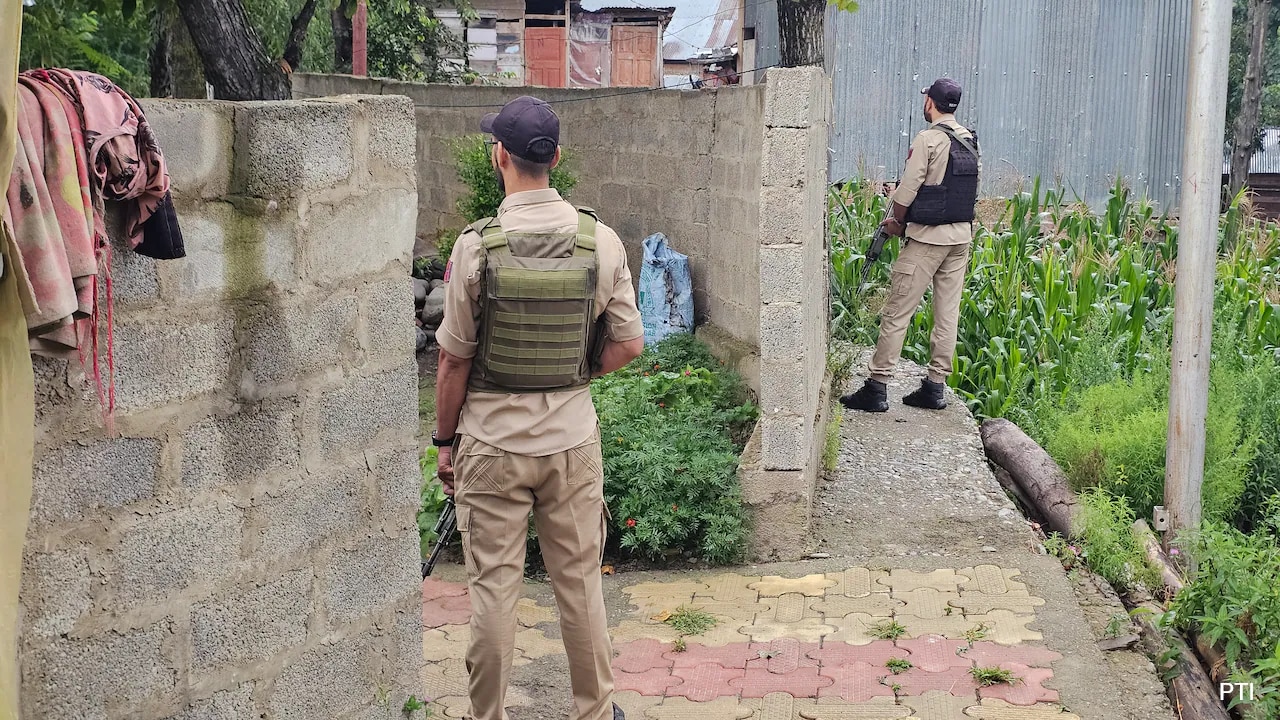
The entire operation was conducted under the direct supervision of Raj Kumar Dwivedi, Regional Manager of UP Gramin Bank. Key officials including Tehsildar Ashutosh Pandey, Lekhpal Vineet Kumar, and the police force from Nawabganj Police Station provided essential support. The presence of legal experts and various branch managers ensured the procedural integrity of the attachment process.
Historical Background
The Kisan Credit Card (KCC) scheme was introduced to provide timely and adequate credit to farmers for their cultivation and other needs. While it has revolutionized rural credit, the rise in defaults due to various socio-economic factors has forced banks to implement more stringent recovery protocols to protect their capital.
Frequently Asked Questions
Q1: What happens if a farmer fails to repay a KCC loan?
A: The bank can initiate legal proceedings, which may include the attachment and sale of the borrower's assets to recover the dues.
Q2: Was the Gonda operation a routine procedure?
A: While part of regular recovery, the scale of this attachment indicates a targeted drive against significant defaulters.