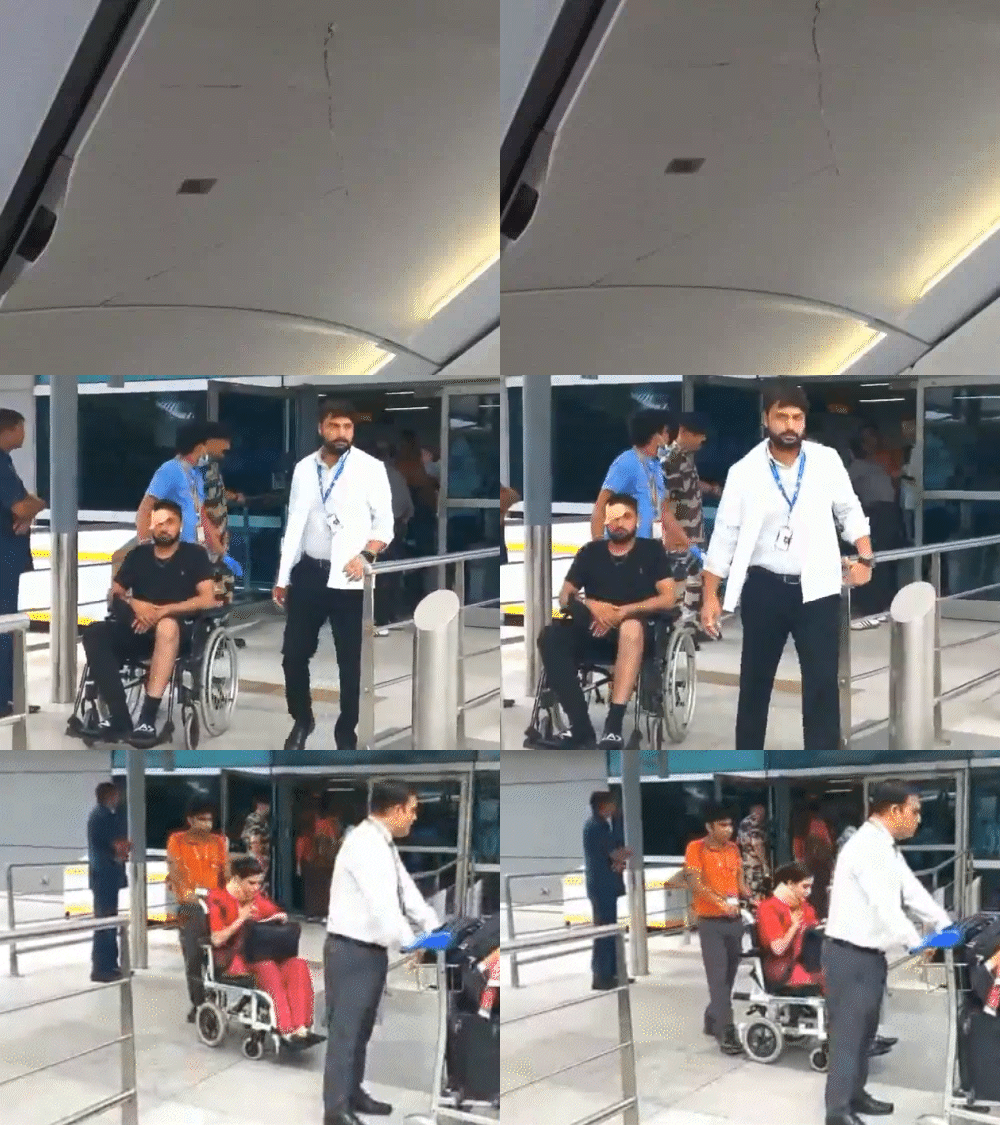
An Air India flight from Phuket to Delhi faced extreme turbulence, injuring 17 passengers, and the pilot has reportedly tested positive for narcotics.
Key Takeaways
- Air India flight AI2379 from Phuket to Delhi encountered severe turbulence.
- The aircraft dropped approximately 300 feet, injuring 17 passengers and crew.
- The pilot reportedly tested positive in a post-flight drug test.
- DGCA is conducting a thorough investigation into the incident.
A journey from Phuket to Delhi turned into a nightmare for 137 passengers aboard Air India flight AI2379. The aircraft encountered severe turbulence, causing it to drop suddenly by nearly 300 feet. The sudden descent resulted in injuries to 17 people, including passengers and crew members, and caused structural damage to the aircraft's ceiling.
Pilot's Positive Dop Test: A Safety Crisis
Adding to the gravity of the situation, reports suggest that the pilot tested positive during a mandatory dop test (drug screening) conducted upon arrival in Delhi. While Air India has not explicitly confirmed the specific result, a spokesperson stated that screening protocols were followed as per civil aviation regulations. The crew member involved has been removed from flight duties pending investigation.
Why This Matters
BozokMedia analysis shows that any substance abuse by flight crew represents a catastrophic failure in safety protocols. In high-stress environments like severe turbulence, a pilot's cognitive functions must be at their peak. A positive drug test suggests a lapse in pre-flight screening or post-flight accountability, which could have fatal consequences if left unchecked.
In aviation, there is zero margin for error; a pilot under the influence is a direct threat to hundreds of lives.
Understanding Turbulence Levels
To help passengers understand flight movements, experts categorize turbulence into three levels:
| Turbulence Type | Impact |
|---|---|
| Light | Aircraft moves up to 1 meter; barely noticeable. |
| Moderate | 3-6 meter movement; drinks may spill. |
| Severe | Up to 30 meter jolts; passengers can be thrown from seats. |
The Directorate General of Civil Aviation (DGCA) is currently investigating whether the incident was purely weather-related or if the pilot's condition contributed to the mismanagement of the situation.
Frequently Asked Questions
1. What happened to the injured passengers?
Most injured passengers received primary medical aid at the airport and were discharged, though some required hospital treatment for head and neck injuries.
2. Is the pilot being punished?
The crew has been removed from flight duties as an immediate precautionary measure while the investigation continues.