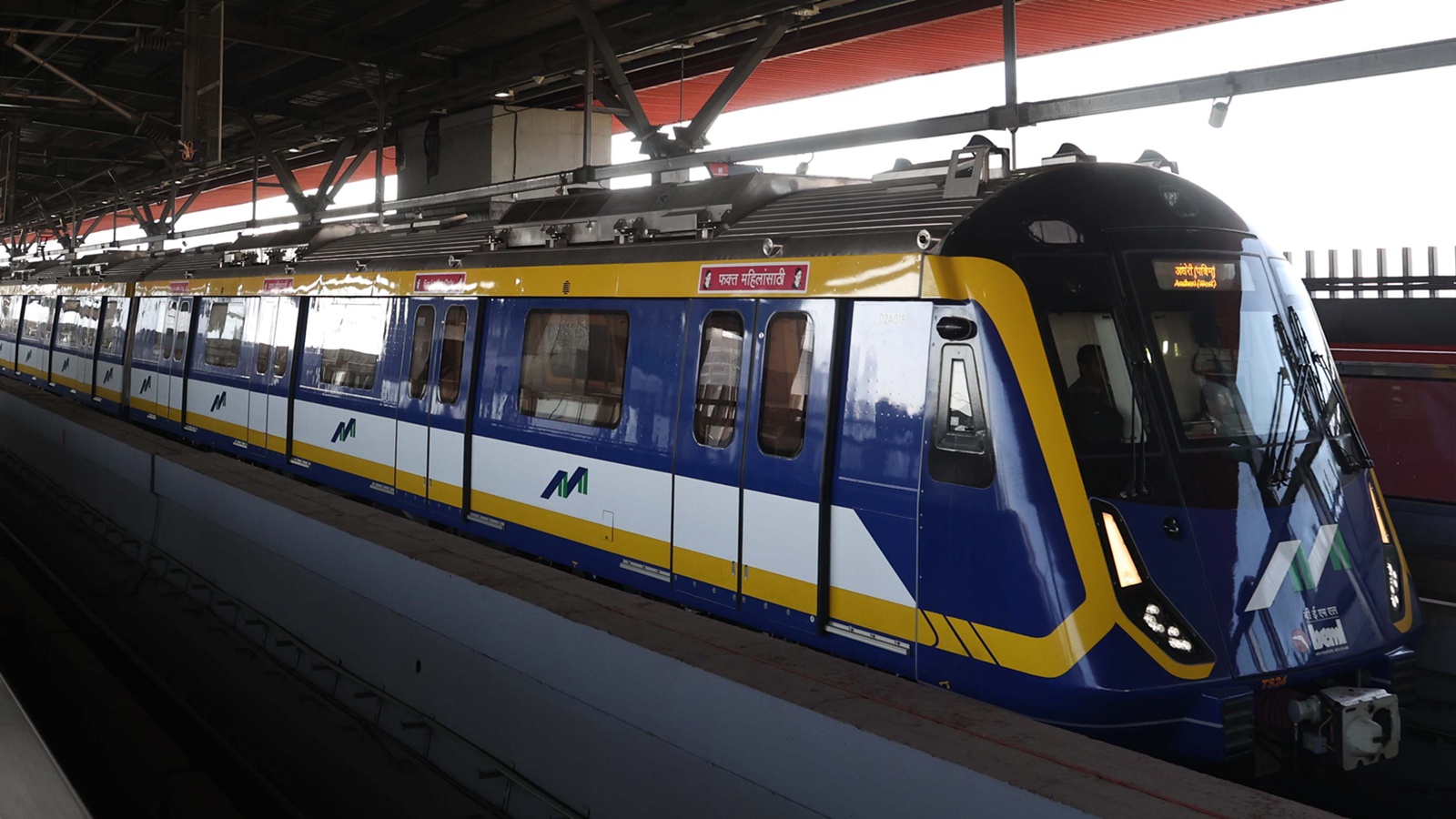
Mumbai Metro 1 will run short‑loop services between Andheri and Ghatkopar during evening peak hours, cutting headway to three minutes and raising capacity by 20%. The move adds space for roughly 28,000 extra commuters each day.
Key Takeaways
- Headway between Andheri‑Ghatkopar reduced to 3 minutes.
- Capacity increased by 20%, accommodating an extra 28,000 commuters.
- Daily trips rise from 476 to 484.
Metro 1 is Mumbai’s inaugural and busiest metro line, carrying about 500,000 passengers per workday. The line runs from Versova to Ghatkopar and has long struggled with severe crowding during peak periods.
Starting August 10, the system will launch mixed‑loop operations. Short‑loop trains will shuttle only between Andheri and Ghatkopar from 6:23 PM to 8:23 PM, alternating with full‑loop services that cover the entire route.
This schedule trims the headway from 3.2 minutes to a crisp 3 minutes, boosting carrying capacity by roughly 20 % – an additional 28,000 commuters per day. Total daily services will climb from 476 to 484 trips, while the Versova‑Azad Nagar segment will see headways extend to just over 6 minutes.
Historically, Metro 1 opened in 2014 with four‑coach rakes, though financial constraints have prevented the planned upgrade to six‑coach trains. The line’s high load factor has spurred repeated calls for capacity enhancements, especially during rush hour.
Why This Matters
BozokMedia analysis shows that even a modest reduction in headway can unlock substantial capacity gains on densely used corridors, positioning Mumbai’s transit system for future urban growth.
"Mixed‑loop operations are part of our ongoing effort to optimise train schedules and maximise existing infrastructure capacity," said Shyamantak Choudhury, CEO, Mumbai Metro One.
Frequently Asked Questions
Q: What are short‑loop trains?
A: They run only between Andheri and Ghatkopar, while full‑loop trains continue the entire Versova‑Ghatkopar route.
Q: Will this model be expanded to other sections?
A: The pilot is limited to the Andheri‑Ghatkopar stretch, but success could lead to similar implementations on other congested segments.
