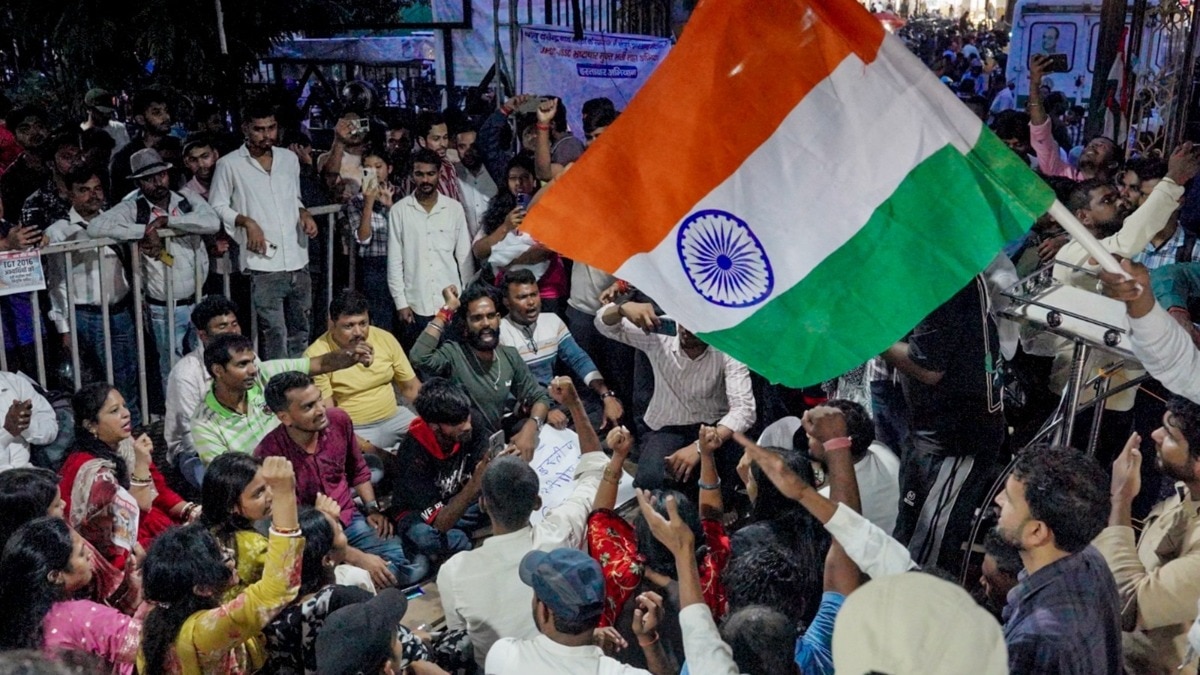
In a major blow to the Jharkhand Public Service Commission, three members have resigned following intense student protests regarding alleged exam malpractices. Protesters are now planning a massive march to the state assembly.
Key Takeaways
- Three JPSC members—Ajita Bhattacharya, Jameel Ahmed, and Anima Hansda—have resigned.
- The resignations follow failed negotiations between the government and student organizations.
- Students are demanding a CBI probe into the JSSC CGL examination.
- A massive march to the Jharkhand Assembly is scheduled for August 10.
The administrative landscape in Jharkhand has been shaken by the sudden resignations of three serving members of the Jharkhand Public Service Commission (JPSC). Members Ajita Bhattacharya, Jameel Ahmed, and Anima Hansda have formally submitted their resignations to the Governor amidst growing unrest among aspirants over alleged irregularities in recruitment examinations.
The standoff intensified after two rounds of talks between the state government and student organizations failed to reach a consensus. While the government has offered to cancel the 14th JPSC examination and initiate investigations into irregularities, the student community has rejected these measures as insufficient.
Why This Matters
BozokMedia analysis shows that these resignations signify a deep-seated crisis of confidence within the state's premier recruitment body. The instability within the JPSC not only disrupts the examination cycle but also erodes the trust of thousands of aspirants in the fairness of the state's meritocratic processes.
The mass resignation of commission members highlights a breakdown in institutional integrity that requires immediate judicial oversight.
The core of the conflict now shifts toward the JSSC CGL examination. While JMM Minister Sudivya Sonu stated that the government has met 98% of the demands, he clarified that the state lacks the authority to cancel the CGL exam, as it was conducted under the directives of the High Court and Supreme Court. However, student leaders remain adamant, demanding a CBI probe to ensure total transparency.
Historical Background
Jharkhand has a history of turbulent recruitment cycles, where allegations of paper leaks and favoritism have frequently led to large-scale student agitations. These recurring issues have placed immense pressure on the state government to implement systemic reforms in the recruitment framework.
Frequently Asked Questions
1. Why did the JPSC members resign?
They resigned in response to the intense student protests and the mounting pressure regarding alleged exam irregularities.
2. What is the students' next course of action?
Students have announced a massive march toward the Jharkhand Assembly on August 10 to press their demands.

