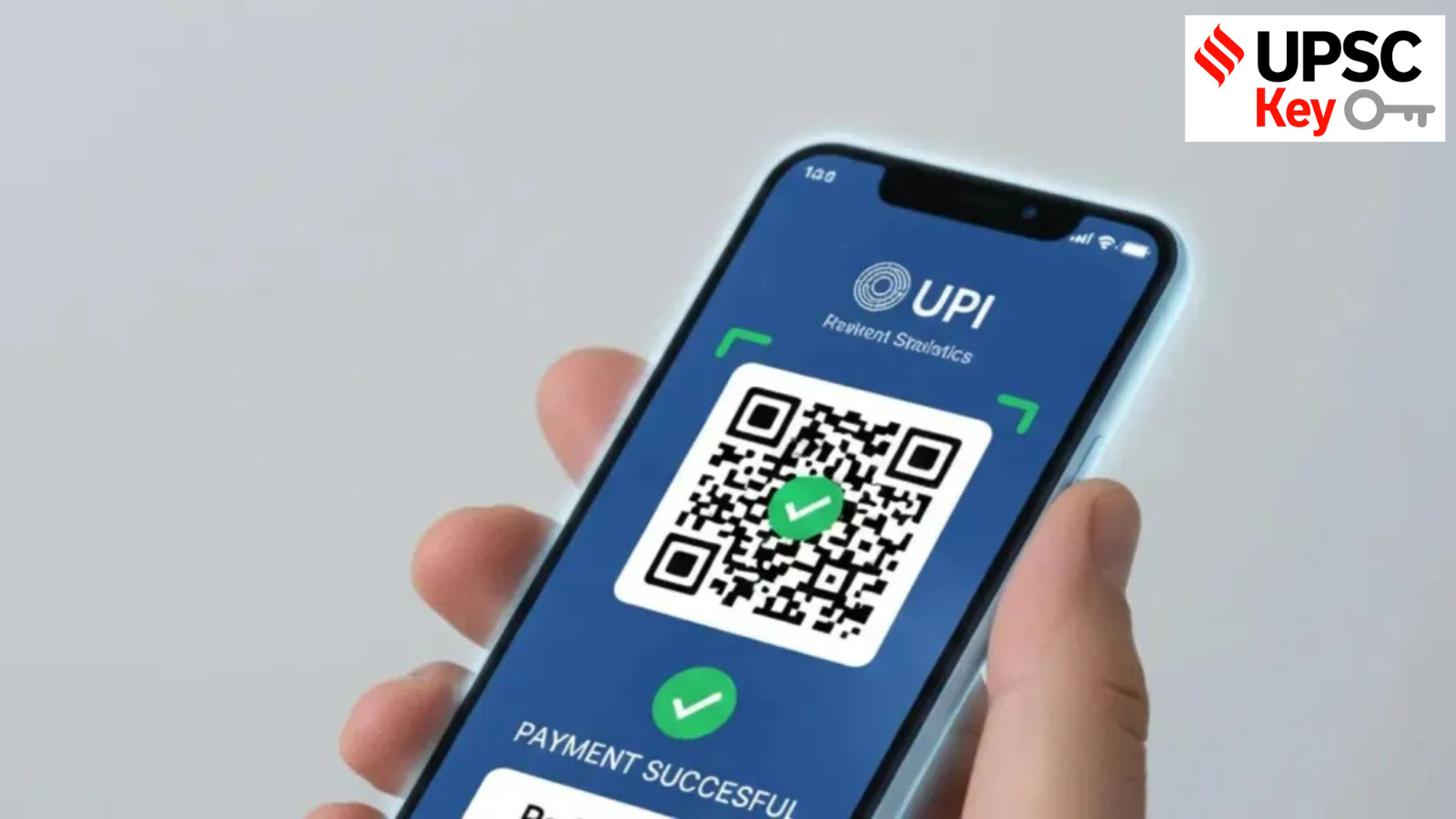
The Indian government has clarified that UPI transactions will remain completely free for citizens, despite proposed legislative amendments. While merchants above a certain turnover threshold may face a nominal Merchant Discount Rate (MDR), the move aims to keep the digital payment ecosystem sustainable without burdening everyday users.
Key Takeaways
- UPI transactions will remain 100% free for individual consumers (P2P and P2M).
- The Taxation and Other Laws (Amendment) Bill, 2026, proposes changes allowing nominal fees on merchants above a certain threshold.
- UPI has expanded globally to 12 countries, handling over 24,000 crore transactions in FY 2025-26.
Allaying widespread user concerns, the Ministry of Finance has "categorically" stated that consumers making Unified Payments Interface (UPI) payments will not face any transaction charges. All person-to-person (P2P) and person-to-merchant (P2M) transactions for ordinary citizens will continue to be free of charge. This announcement comes as a major relief to millions of daily users of India's premier digital payment system.
The debate over potential transaction fees arose after the government introduced The Taxation and Other Laws (Amendment) Bill, 2026 in Parliament. Passed by the Lok Sabha, the Bill proposes changes to Section 10A of the Payment and Settlement Systems Act, 2007. This amendment removes the absolute exemption from bank charges on electronic payments, effectively opening the door for banks and payment service providers to charge a nominal Merchant Discount Rate (MDR) on high-value merchant transactions.
Historical Background and UPSC Relevance
Launched in April 2016 by the National Payments Corporation of India (NPCI) and regulated by the Reserve Bank of India (RBI), UPI has democratized finance in India. For UPSC Civil Services Examination (CSE) aspirants, understanding UPI, digital public infrastructure (DPI), and economic policies is crucial for General Studies (GS) Papers II and III. Additionally, contemporary topics such as the methodology of the Caste Census and the strategic expansion of Uranium Mining in India represent pivotal areas of focus for both preliminary and main examinations, highlighting socio-economic reforms and national energy security.
Why This Matters
BozokMedia analysis shows that keeping UPI free for end-users is vital to maintaining India's high digital adoption rates, while introducing a nominal MDR for large merchants ensures the financial sustainability of the payment infrastructure. Without a revenue model, banks and fintech companies face immense pressure in upgrading technology and maintaining security. By targeting only high-turnover merchants (potentially those with an annual turnover exceeding Rs 50 crore under Section 269SU), the government balances corporate contribution with public welfare.
"Ensuring UPI remains free for consumers protects the grassroots digital revolution, while a structured, nominal MDR on large-scale merchants provides the necessary revenue to keep the payment ecosystem self-sustainable and secure."
Comparison of Transaction Charges Across Payment Modes
| Payment Mode | Consumer Fee | Merchant Discount Rate (MDR) | Regulator / Operator |
|---|---|---|---|
| UPI (Unified Payments Interface) | 0% (Completely Free) | Proposed nominal fee (Only for large merchants) | NPCI / RBI |
| Debit Card | 0% | Up to 0.9% | RBI |
| Credit Card | 0% (Excluding annual fees) | 1% to 3% of transaction value | RBI / Respective Banks |
Frequently Asked Questions
1. Will individual users have to pay fees for transferring money via UPI?
No, the Finance Ministry has explicitly clarified that UPI transactions will remain completely free of charge for all individual consumers.
2. What is the purpose of the Taxation and Other Laws (Amendment) Bill, 2026 regarding UPI?
The Bill aims to amend the Payment and Settlement Systems Act, 2007, allowing banks and payment service providers to levy a nominal MDR on large merchants to ensure the self-sustainability of the digital payment infrastructure.