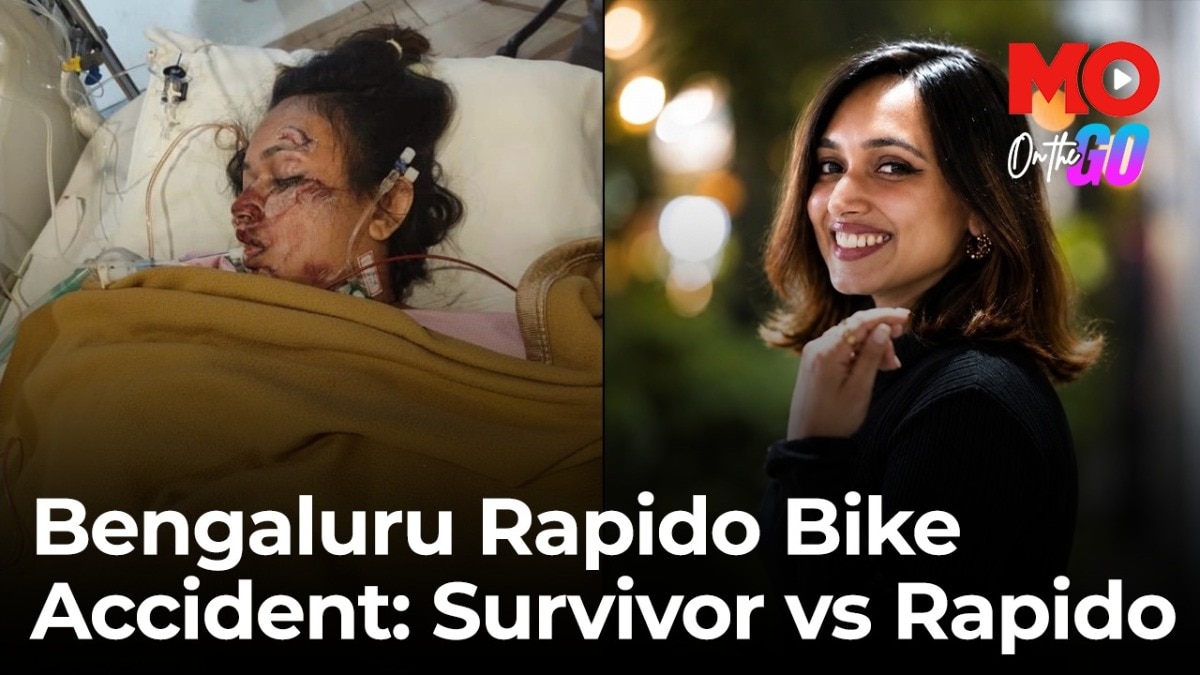
A survivor of a devastating Rapido bike accident in Bengaluru has entered a legal conflict with the company. The case highlights critical gaps in ride-sharing safety and corporate accountability.
Key Takeaways
- Legal clash between a Rapido accident survivor and the company in Bengaluru.
- Core disputes involve safety protocols, insurance claims, and compensation.
- Highlights the lack of accountability in the gig economy transport sector.
In the bustling streets of Bengaluru, a tragic road accident involving a Rapido bike has evolved into a high-stakes legal battle. The survivor, who escaped death but suffered significant injuries, is now challenging the company over its negligence and failure to provide adequate support post-accident.
The survivor alleges that the company's response was dismissive and that the driver lacked proper training or adherence to safety norms. This case brings to light the precarious nature of passenger safety in the rapid expansion of bike-taxi services across Indian metros.
Why This Matters
BozokMedia analysis shows that this conflict represents a systemic failure in the 'Gig Economy' model. By classifying drivers as independent contractors, ride-sharing platforms often shield themselves from direct liability, leaving the victim to navigate a complex legal labyrinth to secure rightful compensation.
"The legal framework for ride-hailing must evolve from viewing these entities as mere software intermediaries to recognizing them as transportation providers with full liability."
Historical Background
The rise of platforms like Ola, Uber, and Rapido has revolutionized urban mobility in India. However, this growth has outpaced regulation. In cities like Bengaluru, the proliferation of bike taxis has led to frequent clashes with local auto-rickshaw unions and raised concerns regarding the validity of commercial insurance for two-wheelers used for hire.
Frequently Asked Questions
1. Are ride-sharing companies liable for accidents?
Liability depends on the terms of service and local laws, but companies can be held accountable if systemic negligence in driver vetting or safety protocols is proven.
2. What should a victim do after a ride-sharing accident?
Immediately file a police report (FIR), document all injuries, and formally request the company's insurance policy details.