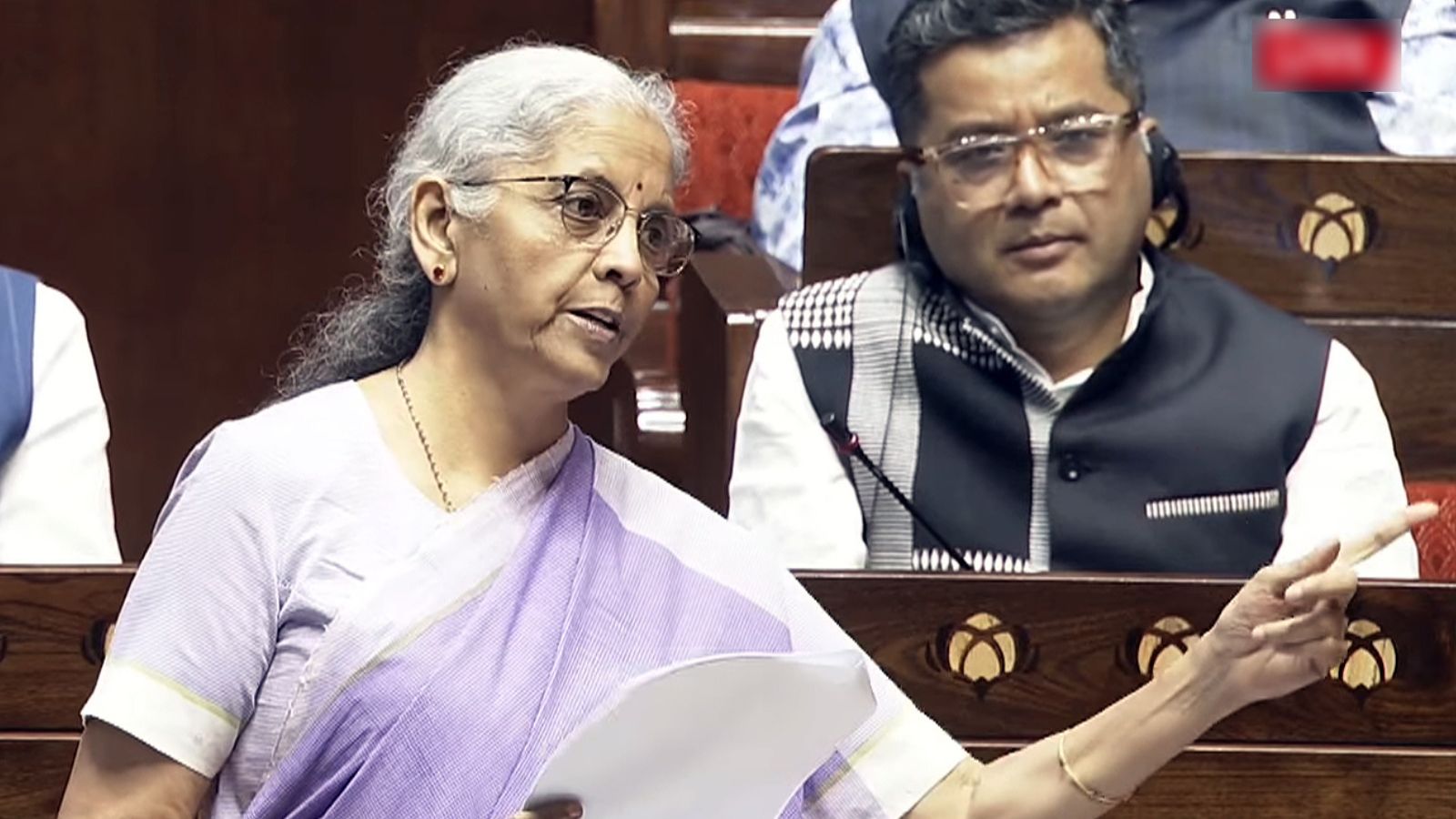
Union Finance Minister Nirmala Sitharaman clarified in the Rajya Sabha that the new taxation bill does not impose any transaction charges on UPI users or small merchants, ensuring the digital payment ecosystem remains free.
Key Takeaways
- UPI transactions will remain free for consumers and small merchants.
- Parliament passed the Taxation and Other Laws (Amendment) Bill, 2026.
- Bankers’ Books Evidence Bill, 2026, now allows digital records as legal evidence.
- FM Sitharaman dismissed allegations that foreign pressure was influencing UPI pricing.
Union Finance Minister Nirmala Sitharaman has put to rest concerns regarding the potential monetization of UPI transactions. During the Monsoon session of Parliament, she explicitly stated that the enabling provisions of the 'Taxation and Other Laws (Amendment) Bill, 2026' do not impose any tax or transaction charges on UPI users.
Addressing the House, the Finance Minister clarified that small merchants and consumers would not be burdened with Merchant Discount Rate (MDR) charges. While the final MDR framework is still being processed, the government's intent remains clear: to keep the digital payment bridge accessible to the masses without financial barriers.
Why This Matters
BozokMedia analysis shows that maintaining UPI as a 'free public good' is central to India's strategy for financial digitalization. Any move to introduce charges could have triggered a regression toward cash-heavy transactions and hindered the growth of micro-entrepreneurship. By decoupling the tax bill from UPI charges, the government is safeguarding its most successful digital infrastructure project.
"The democratization of digital payments is what makes India a global fintech powerhouse; a fee-free UPI is the bedrock of this revolution."
The proceedings took a dramatic turn when CPI(M) MP John Brittas alleged that the government was bowing to US pressure to charge fees. The Finance Minister responded sharply, labeling the opposition's tactics as 'cowardly' and accusing them of spreading misinformation before walking out of the session.
Parallelly, the Rajya Sabha passed the Bankers’ Books Evidence Bill, 2026. This landmark legislation repeals the archaic 1891 Act, updating the law to recognize electronic and digital banking records as admissible and legally enforceable evidence in courts, aligning the legal system with modern banking practices.
| Feature | Old Act (1891) | New Bill (2026) |
|---|---|---|
| Evidence Type | Primarily Physical Ledgers | Digital & Electronic Records |
| Legal Status | Limited Digital Acceptance | Fully Admissible & Enforceable |
Frequently Asked Questions
1. Will I be charged for using UPI for payments?
No, FM Sitharaman has confirmed that consumers will continue to make UPI payments without any transaction charges.
2. What is the significance of the Bankers’ Books Evidence Bill, 2026?
It allows digital banking records to be used as valid evidence in legal proceedings, replacing an outdated law from 1891.