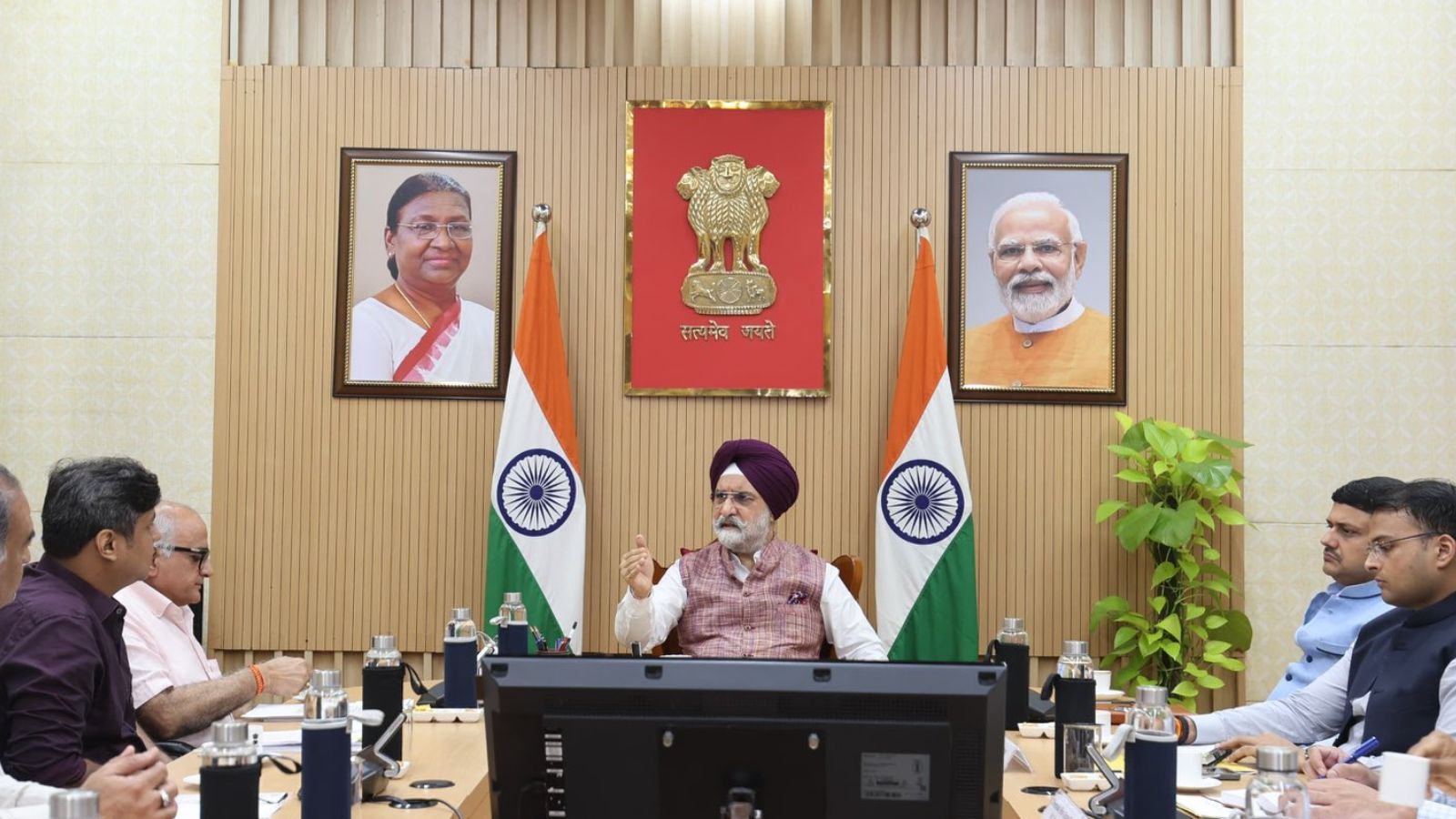
Delhi's Lieutenant Governor Taranjit Singh Sandhu has ordered the transfer of officials who have remained in the same post for extended periods and instructed a fresh definition of the sensitive departments list. The move follows a recent administrative reshuffle involving 16 IAS and DANICS officers across key ministries.
Key Takeaways
- Officials serving more than five years in a single post will be transferred.
- The list of sensitive departments will be revised based on financial allocations.
- Chief Vigilance Officers (CVOs) must be posted immediately in all sensitive departments.
Lieutenant Governor Taranjit Singh Sandhu of Delhi has officially directed that any officer who has stayed in the same position for an extended period be rotated out. This order comes after a sweeping administrative reshuffle two days earlier, which saw 16 IAS and DANICS officers moved across Urban Development, Finance, Environment, Education, Food Safety, and Transport departments.
Chief Minister Rekha Gupta had recently advocated for systematic rotations, noting that many officials had been operating in a “comfort zone” for over five years. The LG’s directive aims to break this complacency, injecting fresh perspective and accountability into the capital’s bureaucracy.
In addition, the LG instructed that a Chief Vigilance Officer be placed in every sensitive department without delay, and that a standard operational guideline be drafted to ensure adherence to Central Vigilance Commission norms in contracts and tenders.
Why This Matters
BozokMedia analysis shows that while long tenures can provide stability, they often hinder innovation and transparency. This rotation policy is expected to revitalize the administrative engine, curbing corruption risks and enhancing service delivery.
"Regular rotations prevent bureaucratic fatigue and boost governance efficiency," says an administrative expert.
Frequently Asked Questions
- What is the role of the Lieutenant Governor in Delhi’s administration? The LG oversees key policy decisions, ensures compliance with central guidelines, and can intervene in administrative matters.
- How will the new rotation policy affect existing IAS officers? Approximately 60‑70% of cadre and ex‑cadre officials are expected to be reassigned within the next two to three years, diversifying their career experience.