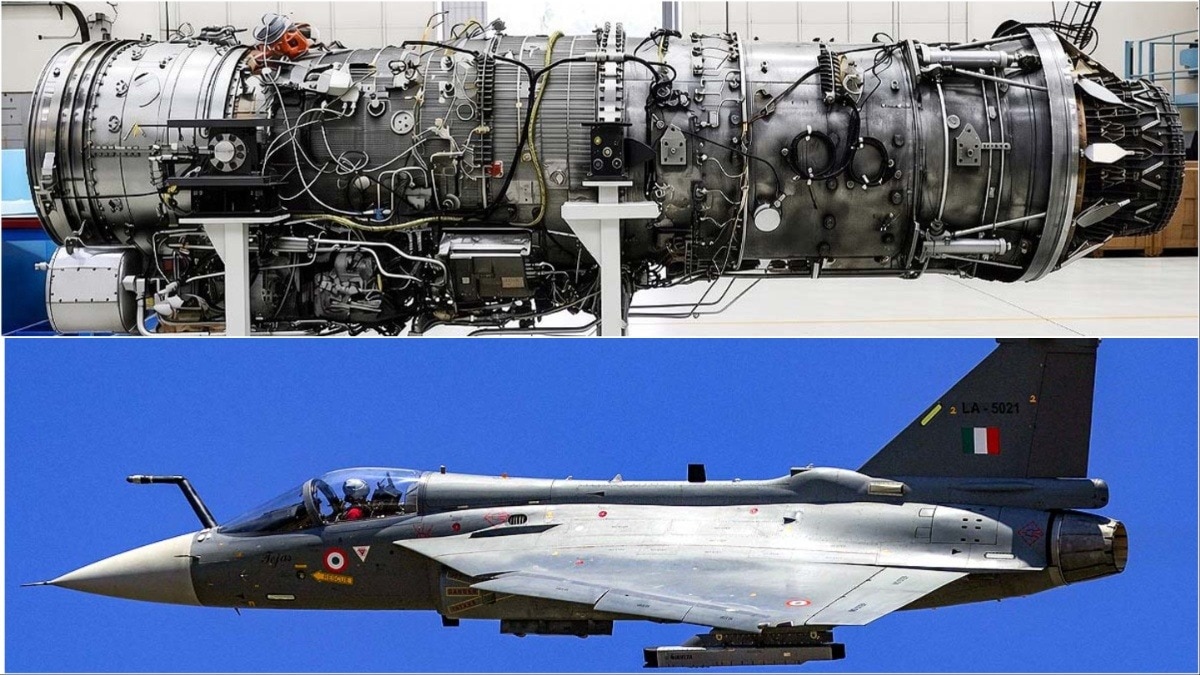
Following delays in the supply of US-made GE F404 engines, DRDO has pivoted with the Kaveri 2.0. This indigenous powerhouse aims to secure India's aerial sovereignty and boost the Tejas fleet.
Key Takeaways
- Kaveri 2.0 targets 90-100kN thrust with afterburner.
- Designed as a direct replacement for the American GE F404 engine.
- Weight reduction target: From 1235kg to under 1100kg.
- Dual-application for Tejas aircraft and 'Ghatak' UCAVs.
India's Defense Research and Development Organization (DRDO), via its Gas Turbine Research Establishment (GTRE), has unveiled the Kaveri 2.0 engine. This strategic pivot comes at a critical juncture where supply chain disruptions from the US regarding GE F404 engines have stalled the production of Tejas Mk1A aircraft.
The original Kaveri project, initiated in the 1980s, faced setbacks due to thrust and weight issues. However, the 2.0 version features a completely redesigned core. It is engineered to deliver 55-60kN dry thrust and a staggering 90-100kN with afterburners, matching or exceeding the capabilities of current American counterparts.
Why This Matters
BozokMedia analysis shows that reliance on foreign OEMs (Original Equipment Manufacturers) for critical components like jet engines creates a strategic vulnerability. With HAL having several airframes ready but idling for engines, the Kaveri 2.0 represents more than just a technical upgrade—it is a move toward complete strategic autonomy. By integrating this engine as a mid-life upgrade in the 2030s, India eliminates the risk of foreign supply-chain blackmail.
"Developing a jet engine is the pinnacle of mechanical engineering; achieving this independently places India in an elite club of global aerospace powers."
The engine utilizes advanced blisks (bladed disks) made from titanium alloys and single-crystal blades to withstand extreme thermal stress. Additionally, the integration of a Full Authority Digital Engine Control (FADEC) system will ensure optimal performance across various flight envelopes.
| Feature | Original Kaveri (KDE) | Kaveri 2.0 (New) |
|---|---|---|
| Thrust | 49-52 kN | 90-100 kN (Afterburner) |
| Weight | ~1235 kg | < 1100 kg |
| Control System | Conventional | FADEC (Digital) |
Beyond the Tejas, the dry version of the engine is slated for the 'Ghatak' UCAV. This unmanned combat aerial vehicle requires fuel efficiency and stealth, both of which are enhanced by the new core design of the Kaveri 2.0.
Frequently Asked Questions
Q1: Will Kaveri 2.0 be installed in Tejas immediately?
A: No, it is planned as a mid-life upgrade for the 2030s, coinciding with the overhaul cycle of existing engines.
Q2: Is this project the same as the one with Safran?
A: No. The Safran collaboration focuses on a 120kN+ engine for the 5th-gen AMCA, while Kaveri 2.0 is a medium-thrust workhorse for platforms like Tejas.