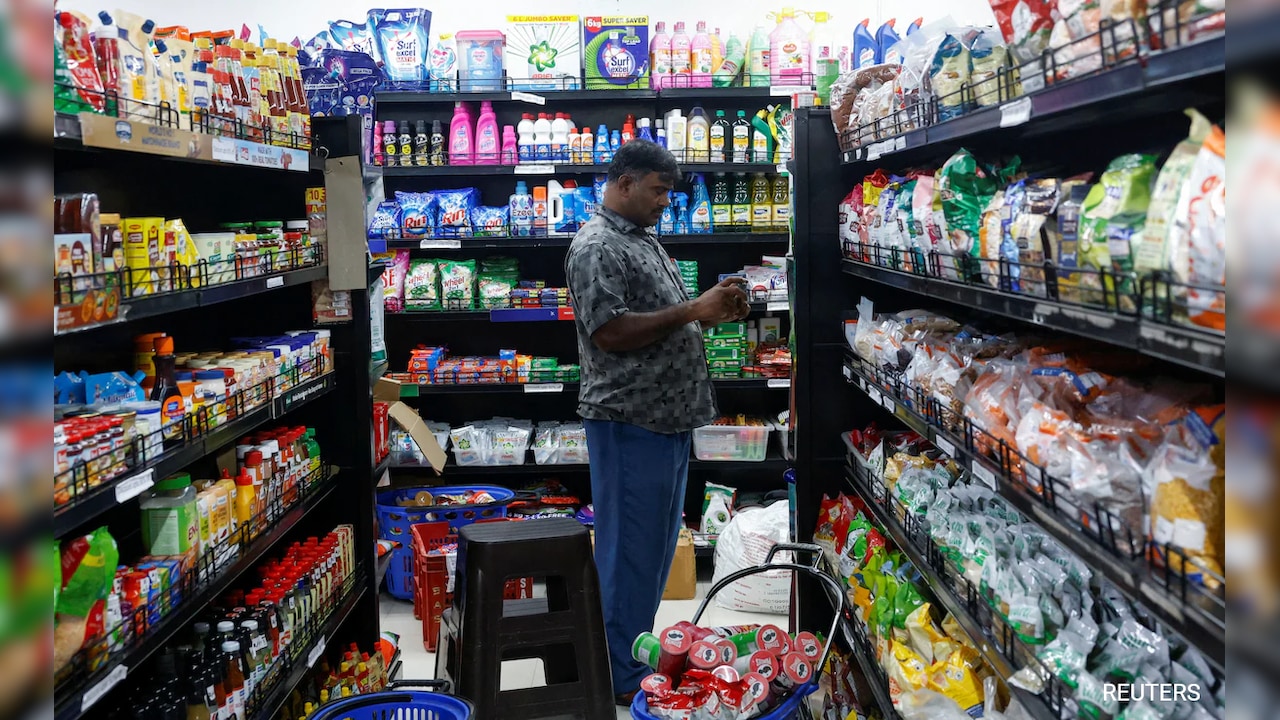
Major firms are opting to shrink pack sizes rather than raise prices, pushing grocery expenses higher. Consumers may face steeper bills in the coming months.
Key Takeaways
- Industry raised prices by 2‑5% in the June quarter.
- Companies now plan to add cost by reducing pack sizes.
- Consumers will likely pay more for the same products.
In the June quarter, the industry lifted prices by roughly 2‑5%, already straining shoppers’ wallets. Now, several leading brands signal that further increases will come not through price hikes but via shrinkflation—cutting the quantity inside each package.
Shrinkflation, the practice of offering smaller packs at unchanged prices, means shoppers unknowingly spend more per unit. Recent adjustments have been spotted in biscuits, tea bags, and other staple items.
The direct impact lands on grocery bills; consumers will pay more for the same product, whether it’s a smaller biscuit box or a reduced‑size tea tin.
Historical Background
This trend isn’t new. In the 1990s, supermarkets similarly reduced product quantities while keeping shelf prices stable, demonstrating that shrinkflation has long been a silent cost‑inflation tool.
Why This Matters
BozokMedia analysis shows that reducing pack sizes erodes consumer trust and can damage long‑term brand loyalty.
"Shrinkflation erodes consumer trust," says economist Dr. Ayesha Khan.
Frequently Asked Questions
Question 1: Does reducing pack size mean lower prices for consumers?
Answer: No, the total cost remains; the reduced quantity raises the effective price per unit.
Question 2: How can shoppers protect themselves from this trend?
Answer: Compare pack sizes, opt for bulk purchases, or switch to brands that maintain value.
