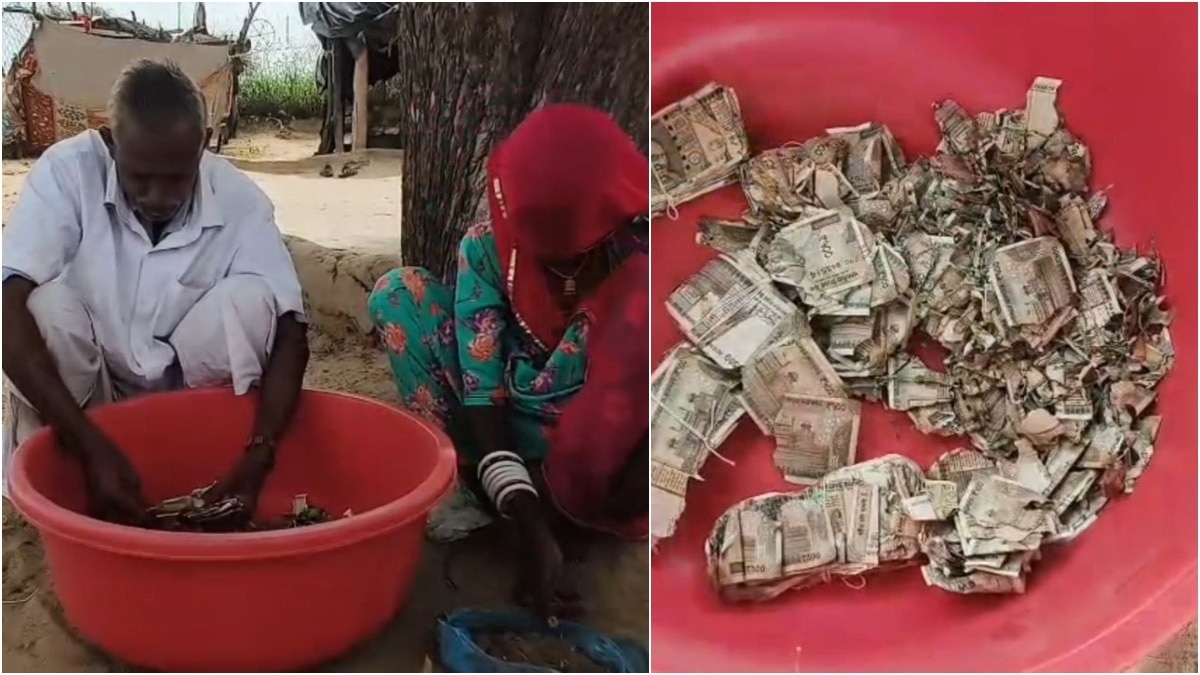
A farmer in Rajasthan buried ₹5 lakh to keep it safe, but forgot the exact spot and later discovered termites had eaten the cash notes, resulting in a total loss.
Key Takeaways
- Farmer buried ₹5 lakh in cash
- Forgot the burial location
- Termites consumed the banknotes
In a remote village of Rajasthan, farmer Ram Singh attempted to protect his savings by burying ₹5 lakh (₹500,000) in the ground. He wrapped the notes in cloth, dug a deep pit, and intended to retrieve them later. However, he later could not recall the exact spot.
When he finally returned to excavate, he found the cash shredded and partially eaten by termites. The notes, lacking any termite‑resistant coating, were completely ruined, leaving the farmer with a total financial loss.
Historical Background
Burial of cash, gold, or valuables in the earth has been a long‑standing practice in India, especially in rural areas lacking banking access. Similar incidents were reported in the 1990s when insects, moisture, and soil degradation destroyed buried money, underscoring the risks of informal storage.
Why This Matters
BozokMedia analysis shows that such incidents highlight the urgent need for financial literacy and secure banking solutions in rural India. When farmers resort to risky self‑storage methods, they expose themselves to losses that could have been avoided through formal financial services.
"Farmers must be educated about digital wallets and banking options to prevent unnecessary losses," says finance expert Dr. Anita Sharma.
Frequently Asked Questions
Question 1: Can buried banknotes be recovered?
Answer: Generally no; exposure to insects, moisture, and time typically destroys the notes. Bank deposits or digital payments are safer alternatives.
Question 2: How can the farmer recoup the loss?
Answer: He should approach local banks or government relief schemes; some programs may provide compensation for such losses.