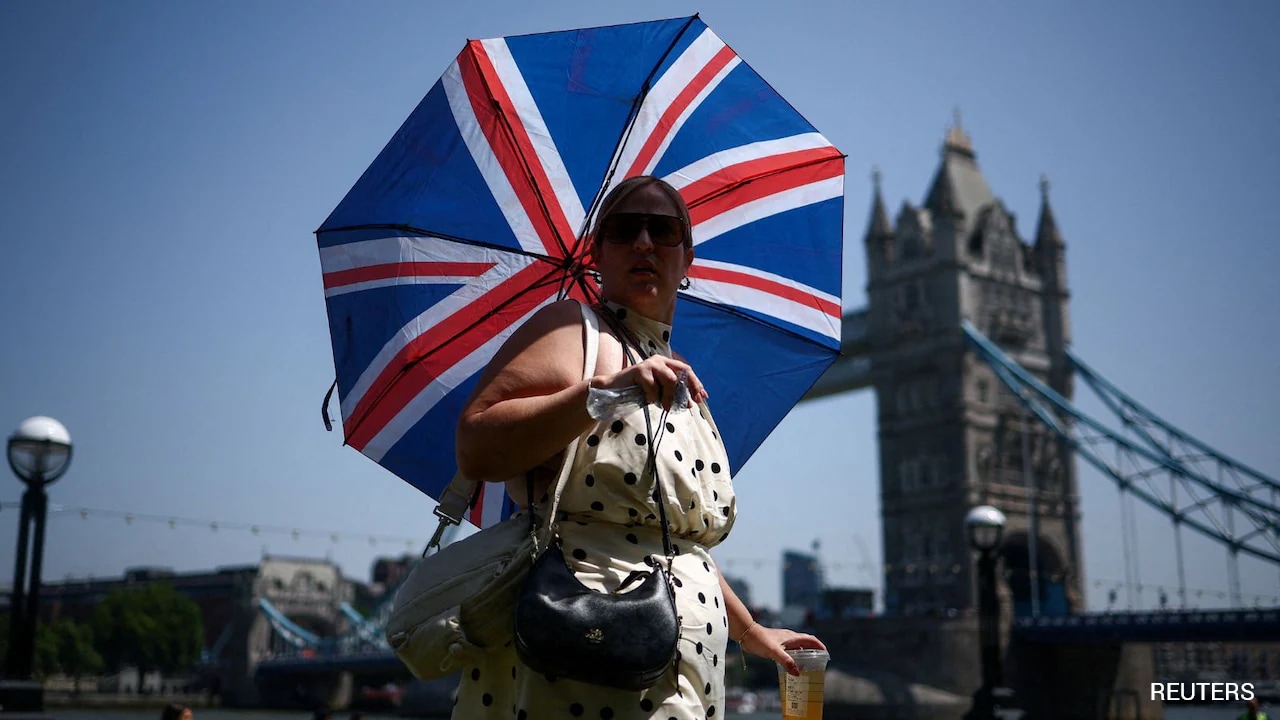
England and Wales have recorded their driest July on record. The Department of Environment, Food and Rural Affairs (DEFRA) warns of a rapidly intensifying 'flash drought' across the region.
Key Takeaways
- Nearly 75% of England is currently experiencing drought conditions.
- July was recorded as the driest July on record for both England and Wales.
- The phenomenon is identified as a 'Flash Drought,' characterized by rapid onset.
The Department of Environment, Food and Rural Affairs (DEFRA) has issued a critical alert stating that a vast majority of England is currently suffering from a 'flash drought.' Unlike traditional droughts that develop over months, a flash drought accelerates rapidly due to a combination of abnormally high temperatures and a severe lack of precipitation.
Meteorological data confirms that July was the driest on record for both England and Wales. This extreme lack of moisture has left the soil depleted, posing a significant threat to agriculture and putting immense strain on the national water infrastructure. With forecasts predicting further heat, the crisis is expected to intensify.
Why This Matters
BozokMedia analysis shows that the emergence of flash droughts in the UK is a stark indicator of shifting climatic patterns. The speed at which these events occur leaves policymakers and farmers with very little window to implement mitigation strategies, increasing the risk of total crop failure and systemic water shortages.
"The acceleration of soil moisture depletion during a flash drought is far more aggressive than in slow-onset droughts, creating an immediate ecological shock."
Historical Background
While the UK has a history of periodic dry spells, the frequency and intensity of heatwaves have spiked in the last decade. Following the record-breaking temperatures of 2022, the current trend suggests that extreme weather volatility is becoming the new normal for Northern Europe.
Frequently Asked Questions
Q1: What exactly is a flash drought?
A: It is a drought that develops quickly, typically within a few weeks, driven by extreme heat and low rainfall.
Q2: How does this affect the general public?
A: It can lead to water restrictions (hosepipe bans), increased wildfire risks, and higher food prices due to crop losses.