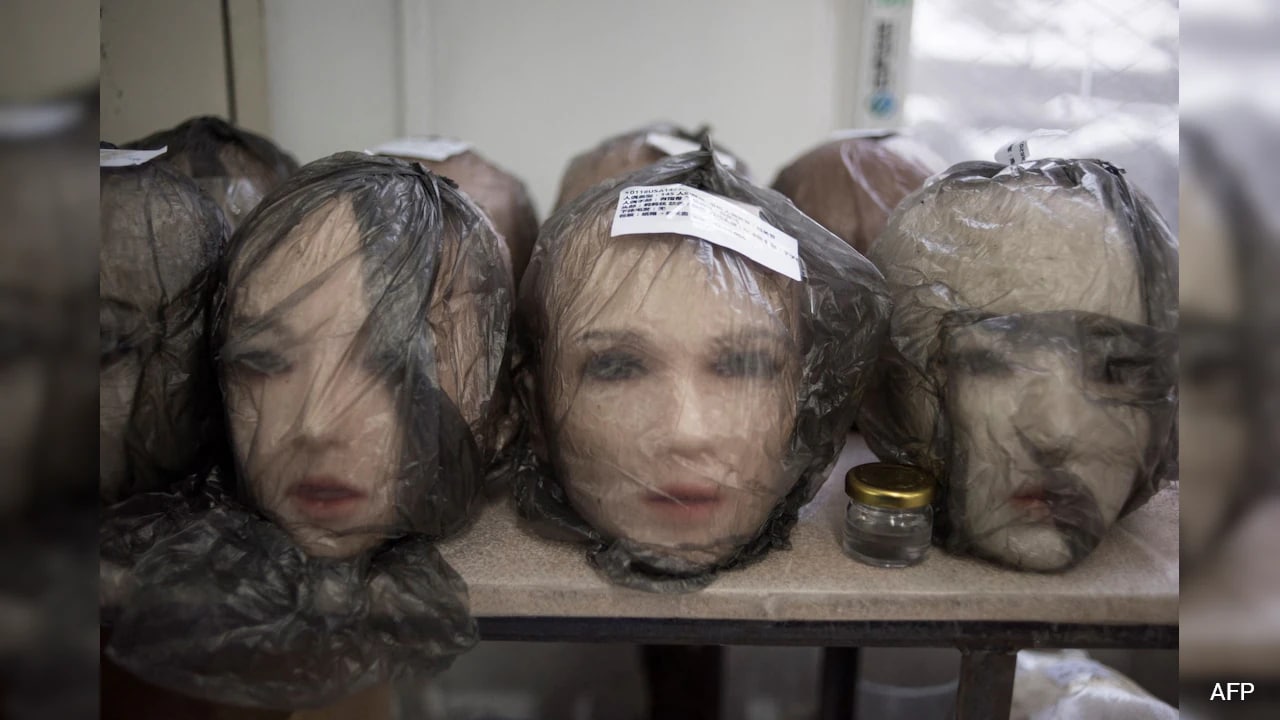
Australian authorities launched a forensic investigation after discovering what appeared to be a bruised female body in a suitcase, only to discover it was a lifelike sex doll.
Key Takeaways
- Initial discovery of a 'bruised body' in a suitcase triggered a criminal probe.
- Forensic testing confirmed the contents were synthetic, not human.
- Police maintain they have 'no regrets' over the resource expenditure.
In a bizarre turn of events, Australian police have revealed that a discovery initially feared to be a gruesome crime scene was actually a case of mistaken identity. Officers had responded to reports of a suitcase containing what appeared to be the bruised body of a woman, leading to a high-stakes forensic operation.
Following the recovery of the suitcase, the contents were sent for rigorous forensic testing. The results proved that the object was not biological in nature. Instead, the suitcase had been stuffed with a lifelike sex doll, engineered with such realism that it deceived officers at the first point of contact.
Why This Matters
BozokMedia analysis shows that this incident highlights the growing gap between synthetic realism and human perception. While the outcome was non-criminal, the mobilization of forensic units underscores the strict protocols police must follow to ensure no actual crime goes undetected.
"In forensic science, the cost of a false positive is far lower than the cost of missing a genuine homicide."
Despite the eventual revelation, the police department faced scrutiny over the use of public resources for a non-human object. However, officials remained steadfast, stating they had "no regrets" about their handling of the case, emphasizing that treating every potential body as human is the only ethical approach.
Frequently Asked Questions
Q1: Did the police make any arrests?
No, as the object was found to be a synthetic doll and no crime was committed.
Q2: How was the mistake discovered?
Through professional forensic testing which analyzed the material composition of the 'body'.