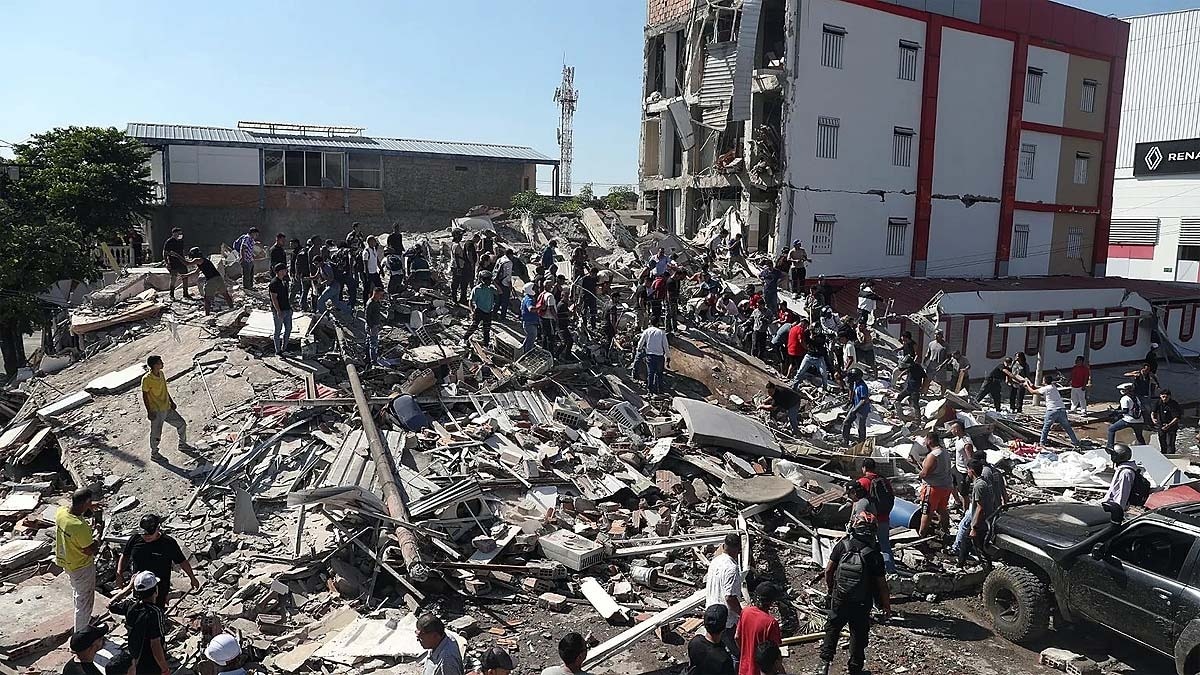
A 6.8‑magnitude quake in Colombia triggered six viral videos showing a stadium wall collapse and a church tower toppling, sparking urgent relief efforts and renewed scrutiny of building codes. The footage underscores the need for stricter seismic standards across the region.
Key Takeaways
- Multiple public structures suffered severe damage after the quake.
- The stadium wall and church tower collapse became the most shared visuals.
- Government and international agencies have mobilized rapid response teams.
On April 7, a 6.8‑magnitude earthquake rattled central Colombia, affecting thousands. Six videos quickly went viral, capturing the stadium’s outer wall giving way, a historic church tower toppling, and streets littered with collapsed buildings.
The first clip shows the Estadio de la Libertad near Bogotá, where the wall crumbled in a single jolt, sending spectators into panic. The second video records the dramatic fall of the Santa María Church tower, shattering nearby windows and prompting immediate evacuations.
Historical Background
Colombia has experienced over 150 measurable quakes since the late 20th century, with the 1999 magnitude‑7 event being the deadliest. The country sits on a complex tectonic junction, making it prone to future high‑magnitude tremors.
Why This Matters
BozokMedia analysis shows that visual documentation of infrastructure failure accelerates international aid allocation and raises awareness about building code enforcement in seismic zones.
"Rigorous post‑quake inspections of building codes will not only save lives but also curb long‑term economic losses," says Dr. Maria Lopez, seismology expert.
Frequently Asked Questions
Question 1: Do the structures shown in the videos comply with current safety standards?
Answer: Most of the highlighted buildings were constructed before the 1990s seismic code revisions and fail to meet today’s standards.
Question 2: Which international agencies are assisting with relief?
Answer: The United Nations, Red Cross, and several European NGOs have deployed teams and supplies to the affected regions.