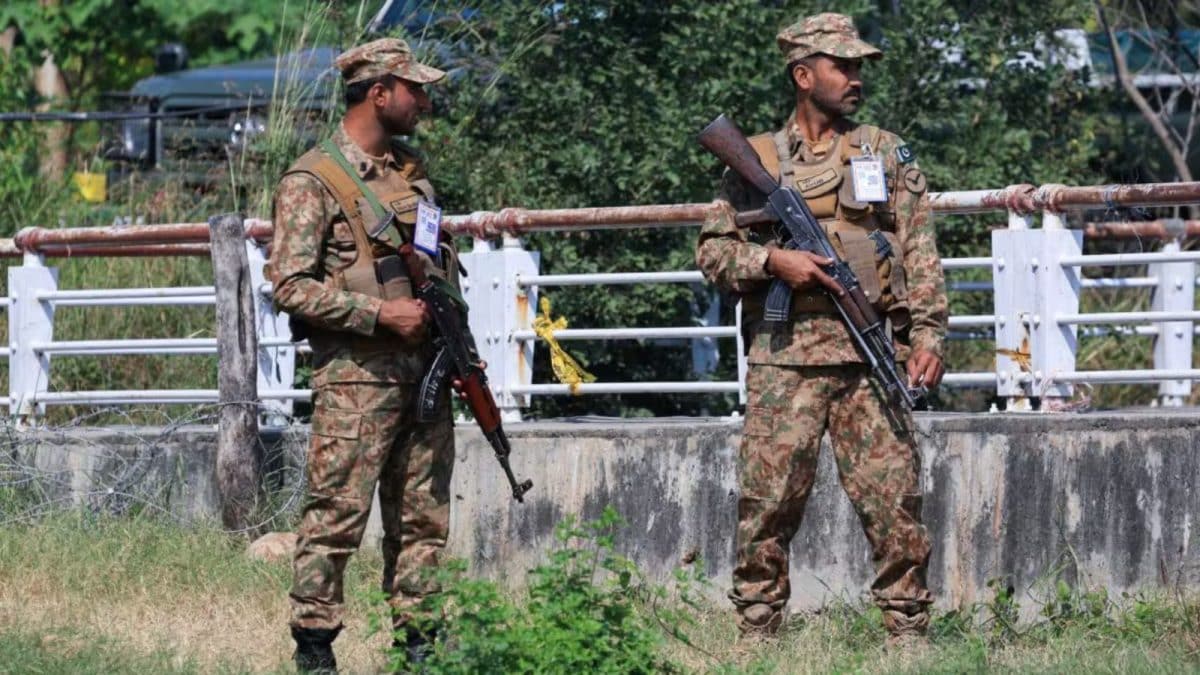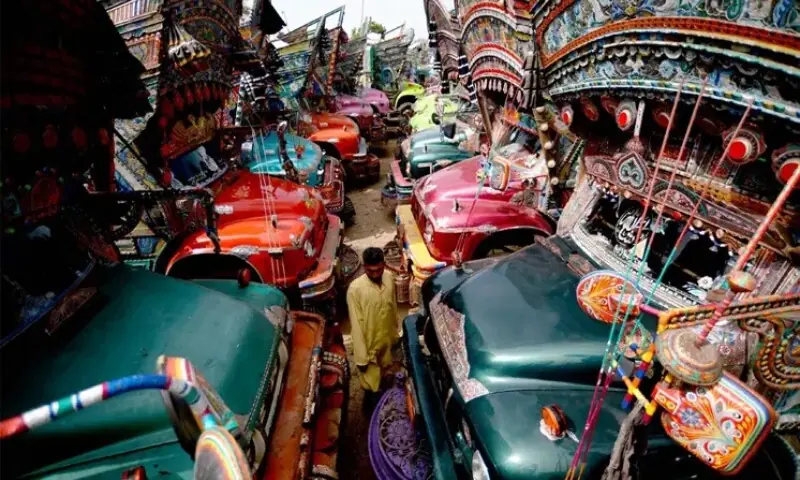
A massive strike by goods and oil transporters continues for the third consecutive day in Pakistan, paralyzing supply chains. Negotiations between the government and transport unions remain inconclusive over fuel pricing and tax demands.
Key Takeaways
- Nationwide strike by oil tankers and goods trucks enters its third day.
- Transporters demand increased axle load limits and monthly diesel pricing.
- KCCI warns of severe cascading impacts on industrial production and exports.
- High-level negotiations are ongoing but remain deadlocked.
ISLAMABAD/KARACHI: The movement of cargo across Pakistan remains paralyzed as the strike called by goods and oil transporters enters its third consecutive day. The 'wheel-jam' protest, which began on Friday night, has brought major logistics hubs to a standstill, creating a massive bottleneck in the national supply chain.
Negotiations between the government and the All Pakistan Goods Transport Ittehad alliance continued late into Monday night, but no breakthrough was achieved. Both sides remain entrenched in their positions, with transporters refusing to yield until their core demands are met.
The Core Demands
The striking transporters have presented three critical demands aimed at different federal ministries:
- Weight Limits: An increase in the permissible weight for 10-wheeler vehicles from 27.5 tonnes to 35 tonnes.
- Fuel Pricing: A shift from daily diesel price revisions to a monthly pricing model to allow for better business planning.
- Taxation: Reductions in customs duties and income tax burdens.
The government negotiating team, led by Communications Minister Aleem Khan and Petroleum Minister Ali Pervaiz Malik, argued that daily fuel adjustments are a necessity due to international market volatility. However, officials hinted at the possibility of revising toll tax rates for heavy vehicles.
Why This Matters
BozokMedia analysis shows that this strike is not merely a sectoral dispute but a systemic threat to Pakistan's economic stability. The disruption in the movement of petroleum and essential goods threatens to trigger inflationary pressures and industrial shutdowns across the country.
"The standoff between the transport sector and the state represents a critical friction point in Pakistan's current economic recovery phase."
Economic Fallout and Industry Warnings
The Karachi Chamber of Commerce and Industry (KCCI) has issued a stern warning, stating that the suspension of cargo movement will hit industrial production and export shipments. KCCI President Muhammad Rehan Hanif has urged the government to engage in high-level mediation to prevent a total economic meltdown.
Similarly, the Pakistan Textile Council (PTC) emphasized that the textile and apparel industry—a backbone of Pakistan's exports—relies heavily on uninterrupted transport to move raw materials and finished goods to ports.
Frequently Asked Questions (FAQs)
1. Why are the transporters on strike?
They are protesting against high taxes, frequent diesel price changes, and restrictive vehicle weight limits.
2. How is this affecting the general public?
The strike disrupts the supply of essential goods, fuel, and raw materials, which can lead to price hikes and shortages.