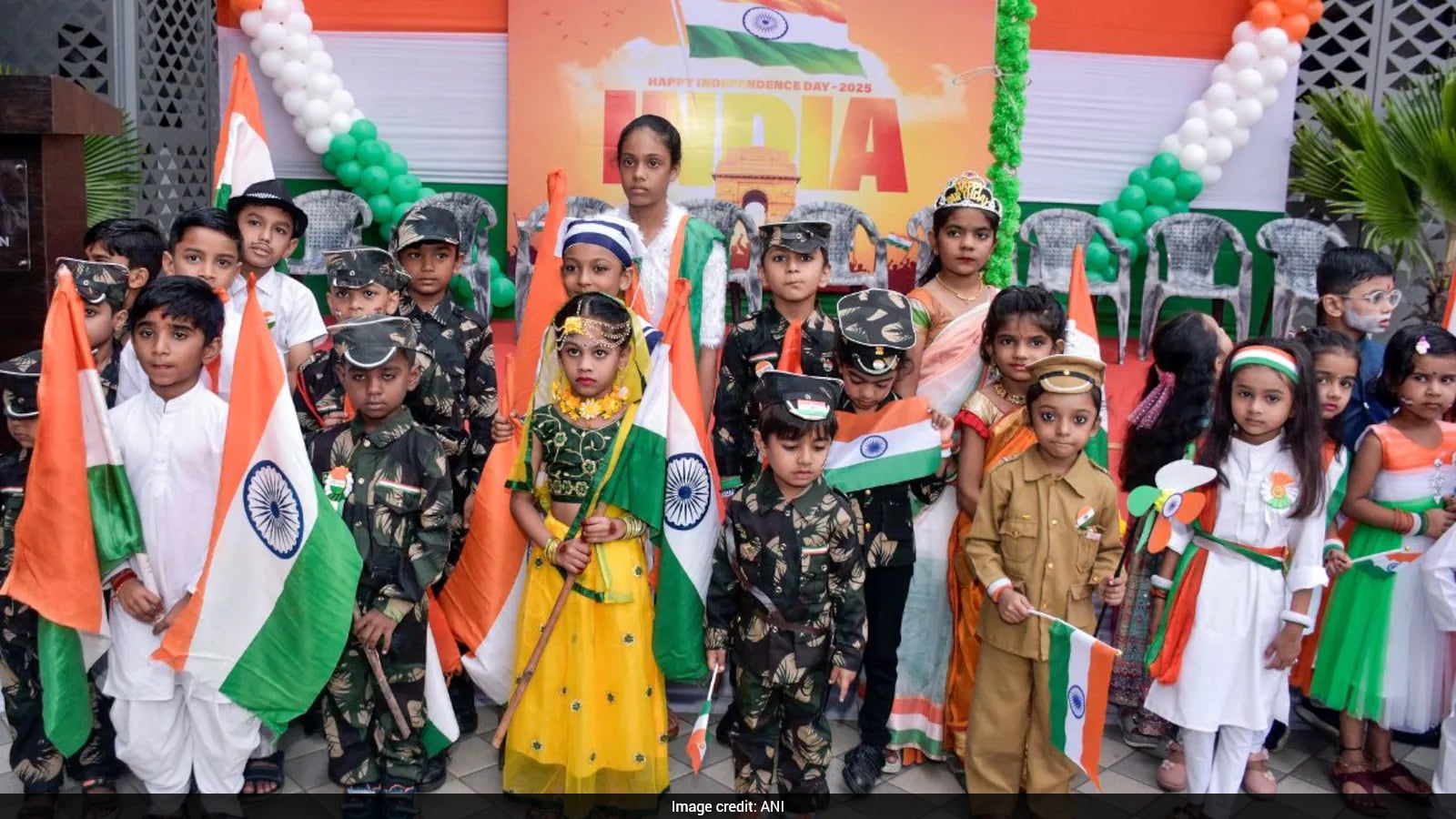
As Independence Day 2026 approaches, Indian schools are moving beyond flag‑hoisting to include Constitution readings, recycled‑material flag workshops, and community‑service projects. These initiatives aim to nurture patriotism, sustainability, and civic responsibility among students.
Key Takeaways
- Morning reading of the Constitution’s preamble
- Recycled‑material flag‑making workshop
- Community‑service projects tied to local needs
National Outlook for Independence Day 2026
Approximately 24,000 guests are expected at the Red Fort on August 15, where Prime Minister Narendra Modi will hoist the national flag and address the nation. This year, schools across India are rethinking the traditional flag‑hoisting routine to make the day more inclusive and educational.
Government’s Vision
The Government of India states, “Independence Day marks the spirit of freedom, sacrifice, and national pride. It is an opportunity to honour the contributions of our freedom fighters and reflect on India’s journey towards becoming a Viksit Bharat by 2047.” Schools are therefore encouraged to embed civic values through diverse activities.
Fresh Activity Ideas for Schools
Teachers can engage students in essay, painting, and quiz competitions that encourage reflection on India’s freedom struggle. Highlighting women’s contributions—from Rani Lakshmibai to Sarojini Naidu—adds depth and gender‑balanced narratives.
Reading the preamble of the Indian Constitution each morning helps students internalise unity and integrity. Dedicated classes on the Constitution, Fundamental Rights, Duties, and key articles further deepen constitutional awareness.
A flag‑making workshop using recycled materials introduces sustainability concepts, while community‑service projects—such as tree planting, letter‑writing to soldiers, or visits to local NGOs—address real‑world needs.
Security Considerations
Delhi Police has deployed a multi‑layered security plan for the capital’s celebrations. Schools must coordinate with local authorities, avoid crowded venues, and conduct safety drills to ensure student safety.
Historical Background
The Red Fort flag‑hoisting ceremony has been televised since 1950, reaching over 100 million viewers. Over the decades, the event has incorporated educational and cultural elements, underscoring its evolving significance.
Why This Matters
BozokMedia analysis shows that embedding civic education into national celebrations creates lasting patriotism and strengthens democratic participation among young citizens.
"Integrating civic education into Independence Day activities creates lasting patriotism," says Dr. Aisha Khan, education policy analyst.
Frequently Asked Questions
Q1: How can schools ensure activities are inclusive?
A1: By offering diverse formats—art, debate, service—and accommodating different abilities.
Q2: What safety measures should schools follow?
A2: Coordinate with local authorities, avoid crowded venues, and conduct drills.