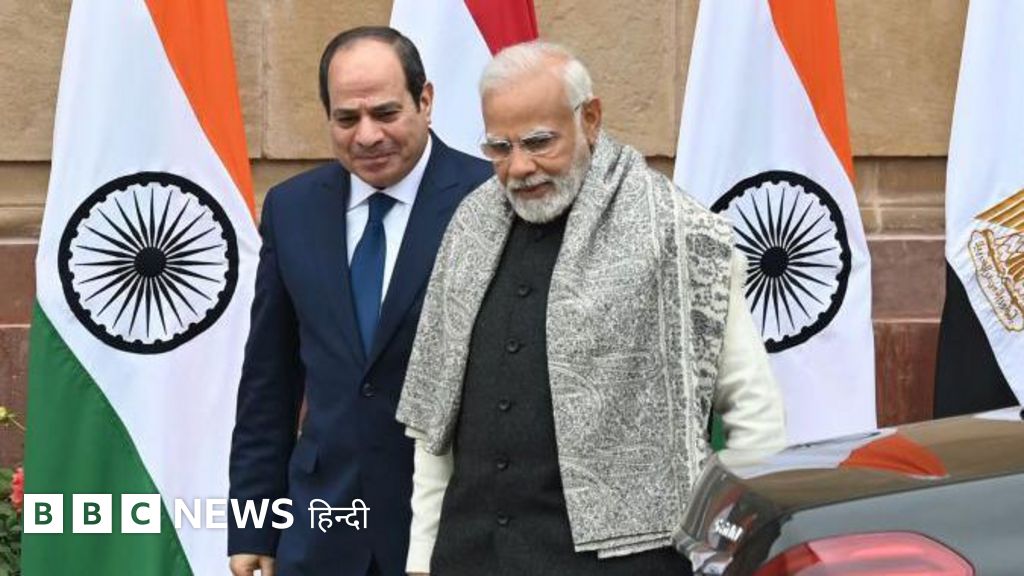
Saudi Arabia, Turkey, and Pakistan have forged a powerful collective defense alliance. However, Egypt's refusal to join highlights a shifting geopolitical landscape and the growing strategic weight of India in the Middle East.
Key Takeaways
- Saudi Arabia, Turkey, and Pakistan have signed a defense pact featuring a collective defense clause similar to NATO's Article 5.
- Egypt, originally considered for the 'Regional Four' group, has opted out of the alliance.
- Strategic ties with India and the UAE are cited as primary reasons for Egypt's hesitation.
- Israel has expressed strong concerns over the formation of this 'Sunni axis'.
In a move that has sent ripples through international diplomacy, Saudi Arabia, Turkey, and Pakistan have entered into a clandestine defense agreement. The pact is anchored by a collective defense provision, meaning an attack on one member is viewed as an attack on all three, mirroring the security architecture of the North Atlantic Treaty Organization (NATO).
Turkish Foreign Minister Hakan Fidan revealed that efforts to finalize this security framework had been underway for two years. The initial vision was to create a 'Regional Four' including Egypt. However, while the other three nations proceeded, Egypt remained on the sidelines, sparking intense debate over Cairo's strategic priorities.
Why This Matters
BozokMedia analysis shows that this alliance is a calculated attempt to create a new power center in the Middle East, potentially challenging the traditional hegemony of Western-backed security arrangements. Egypt's refusal to join signifies a refusal to be pigeonholed into a single bloc, choosing instead to maintain a multi-aligned foreign policy that protects its interests across various poles of power.
"Egypt's decision is a masterclass in strategic autonomy, ensuring it doesn't alienate critical economic partners like India while navigating volatile regional rivalries."
Reports from 'Mada Masr' suggest that Egypt's deepening economic and strategic partnership with India played a pivotal role. Given the historic tensions between India and Pakistan, joining a military pact with Islamabad could have jeopardized Cairo's burgeoning ties with New Delhi. Furthermore, Egypt's existing defense ties with the UAE and its complex relations with Turkey regarding Greece and Cyprus added layers of hesitation.
| Feature | Makkah Defense Pact (S-T-P) | Egypt's Strategic Position |
|---|---|---|
| Core Objective | Collective Defense & Deterrence | Balanced Diplomacy & Economic Growth |
| Key Alignment | Saudi Arabia, Turkey, Pakistan | Closeness to India and UAE |
| Strategic Risk | Potential friction with Israel | Risk of choosing a side in regional rifts |
Frequently Asked Questions
Q1: What is the primary goal of the Makkah Defense Pact?
A: The goal is to establish a collective security framework among Saudi Arabia, Turkey, and Pakistan to deter external aggression through mutual military support.
Q2: Why did Egypt decide not to join the alliance?
A: Egypt sought to avoid conflict with India and the UAE, while also remaining cautious of Turkey's regional disputes with Greece and Cyprus.